Study: The chicken increases the risk of cancer, not just the red. What quantity can be dangerous

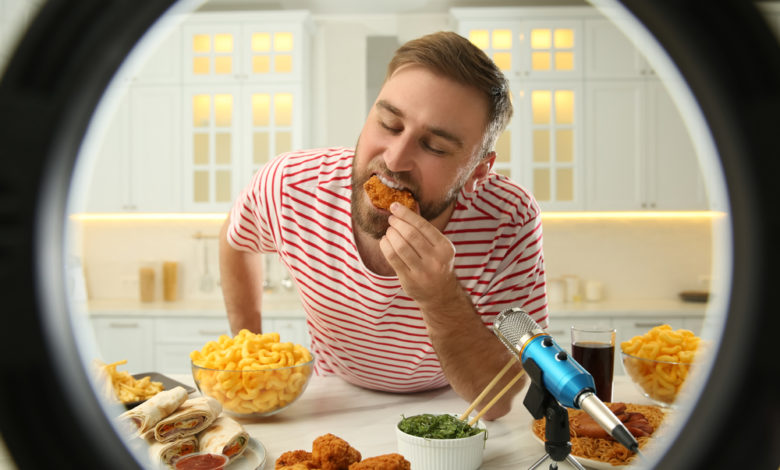
Considered a healthy alternative to red meat, chicken seems to double the risk of digestive cancers among people who frequently consume, according to a new study. Researchers at the National Institute of Gastroenterology in Italy have published, in the scientific journal Nutrientsthe results of an extended study, carried out for a period of 18 years (2006-2024). The research monitored the eating habits and the health status of almost 5,000 participants, analyzing in particular the consumption of meat and the causes of the deaths, taking into account factors such as smoking and body weight.
The results revealed that people who consumed over 300 grams of poultry per week (the equivalent of three servings) had a general risk of 27% higher compared to a consumption below 100 grams weekly. The statistics is even more worrying when it comes to gastrointestinal cancers – the risk was almost twice as high among those who consistently consume chicken.
“We consider moderation beneficial when it comes to poultry consumption and its alternation with other protein sources as valuable, as fish. It is essential to pay more attention to cooking methods, avoiding high temperatures and prolonged preparation times,” the authors of the Italian study stressed.
The research has highlighted a connection between the high consumption of poultry meat and 11 different types of gastrointestinal cancers in the stomach, colon, biliary tract, anus, gallbladder, liver, pancreas, rectum, slim intestine and soft abdominal tissues.
Possible explanations of the connection between chicken and cancer meat
Chicken was considered a healthier variant than red, being appreciated for high protein content, low fat levels and affordable price. But how could this seemingly harmless food become a potential health hazard?
Italian researchers have proposed several possible explanations. One of the most important theories is targeting the feed administered in poultry farms – hormones and drugs given for fast growth birds could remain in the form of meat residues later consumed by humans. A study in Egypt and published in 2023, analyzed the presence of hormonal residues (Estradiol, progesterone and testosterone) in chicken and beef samples available on the market. The results showed alarming levels of hormones, especially Estradiol, whose concentrations exceeded the limits considered safe for human consumption in most analyzed samples. Estradiol-17β was classified by the International Agency for Cancer Research (IARC) as a human cancer-the most dangerous level.
Dr. Wael Harb, hematologist and oncologist certified at Memorial Care Cancer Institute in Orange County, California, USA, draws attention to another potentially harmful mechanism: “When poultry meat is grilled, fried or prepared at high temperatures, compounds such as heterocyclic amuses and hydrocarbon are associated with pycliclic substances. Repeated with the increased risk of cancer development.
Protein -rich foods develop compounds with carcinogenic potential, when subjected to high or cooked temperatures.
The study published in Nutrients emphasizes that meat cooking and storage methods influence the risk of gastrointestinal cancers, people who prefer well -done white or red meat are more prone to develop gastric and intestinal tumors.
Nutrition recommendations versus new discoveries
According to the American Nutrition Guide 2020–2025, a regular portion of poultry is about 100 grams, and its inclusion in the diet is indicated one to three times a week. However, the Italian study comes to contradict these recommendations, demonstrating that the 300 -gram weekly threshold, ie three standard portions, could be a health hazard.
“The results are interesting, but we have to be cautious in their interpretation. This study, being observational, does not demonstrate direct causality. The wider set of scientific evidence continues to support moderate poultry consumption as part of a balanced diet. The study would not cause me to give up poultry meat, and to my patients, as well as to others, Fiber, whole grains, healthy fats and alternative sources of protein such as legumes or fish, ”said Kristin Kirkpatrick, dietitian in the Cleveland's preventive medicine department.
The nutrition expert underlines an important aspect, often ignored in the interpretation of studies: “Cancer development is a complex and multifactorial process, involving genetics, environment, diet, physical activity, exposure to toxins, as well as age and inflammation. It is difficult to isolate the effect of a single food. If a person smokes, for example, the first step should be removed from the feed.”
White meat or red meat
Although the white meat, mainly represented by chickens and turkey, has a lower saturated fat content and a more favorable protein-fries report, recent research has shown that differences could be less significant than it was believed.
According to a study published in the American Journal of Clinical Nutrition in 2019, both white and red can have similar effects on blood cholesterol levels, especially on LDL cholesterol (bad cholesterol) and Apolipoprotein B – an important marker of cardiovascular risk.
In addition, the Italian study failed to identify the specific types of poultry meat consumed by the participants.
“One of the important limits of the study is that it does not make the difference between the types of poultry meat consumed. We do not have clear information if it is processed products from fast food or simply cooked meat, such as chicken breast. Industrial processing can influence the associated risks. Extra studies are needed to analyze different types of poultry. Kirkpatrick.
Important methodological limitations
The authors themselves recognize some problematic aspects of the methodology used. The study did not collect detailed information about the specific way in which the participants prepared and consumed poultry. The food questionnaire used in the research was referring to the consumption of poultry meat in general terms, without distinguishing between the methods of preparation or between processed and home -cooked products. This lack of details leave room for interpretations: some participants could have consumed mainly fast-food preparations, while others would have opted for simpler and less processed variants.
Another important limitation was the absence of data on the physical activity of the participants – a well -known factor for its effect on the mortality and risk of cancer. The absence of this information can lead to a sub or overestimation of the connection between nutrition and health.
“Being an observational study, this research can only demonstrate associations, not direct causal relationships. We cannot say with certainty that the chicken itself triggers cancer, but only that there is a correlation between high consumption and certain health problems. This distinction is fundamental to the correct interpretation of results,” added Dr. Wael Harb.
An interesting aspect of the Italian study was that the increased risk of gastrointestinal cancer associated with chicken consumption was more pronounced in men than in women. This gender difference could provide valuable clues about the biological mechanisms involved and justify specific research.
How much chicken can be consumed safely
“Based on what we now know, a consumption of up to 300 grams of poultry per week is still a reasonable choice for most people – provided it is as less processed, ideal without skin and cooked at moderate temperatures.. For those who have a family history of cancer or other risk conditions, it would be more prudent to limit the consumption to about 200 grams per week and vary the sources of protein, ”explained Dr. Wael Harb.
The way of preparation also matters. Easy baking, steam cooking or slow-cooker are safer options than frying or frying at high temperatures. Avoiding burnt or blackened parts of the meat can reduce exposure to harmful substances.
Another important aspect is the origin of the meat. When the option is, it is preferable the meat from increased birds under more controlled conditions, without the intensive use of antibiotics or hormones. “Hormone -free” or “ecological” type labels can be useful indications, although regulations differ much from country to country.
As for processed chicken products – nuggets, croquettes, sticks or sausages – they should be rarely consumed and moderate. In general, it combines the disadvantages of processed meat with those of ultra-processive foods: high salt content, unhealthy fats, additives and low nutritional value.
Nutrition specialists insist on the idea of diversification. Alternating chicken meat with other sources of protein-fish (especially the rich in Omega-3), legumes (lentils, nostrils, beans), eggs and occasionally lean meat.
Controversial practices
The modern system of producing chicken is optimized for economic efficiency and maximum efficiency. In just a few decades, the time required for a chicken to reach the weight of slaughter has reduced from about 16 weeks in the 1950s to less than 6 weeks today.
This acceleration was possible by the combination of intensive genetic selection, special designed diet and, in some states, the use of growth promoters. The data of the Organization for Food and Agriculture of the United Nations show that global chicken production has increased exponentially, reaching over 140 million tonnes annually.
The pressure to produce more, faster and cheaper has led to controversial practices, since the use of antibiotics as growth promoters (now prohibited in many countries, including in Romania) to the extreme density of the population in industrial farms.
A less discussed aspect is subsequent processing. Many chicken-based meat products in supermarkets and fast food restaurants are subjected to extensive industrial processes-brine injection, adding additives for water retention, taste enhancers and preservatives. A study published in 2023 associated the high consumption of ultra-processive foods at an increased risk for multiple types of cancer, independent of their nutritional composition.