Historians discovered 200-year-old students of students hidden in the school walls. We know what they contained

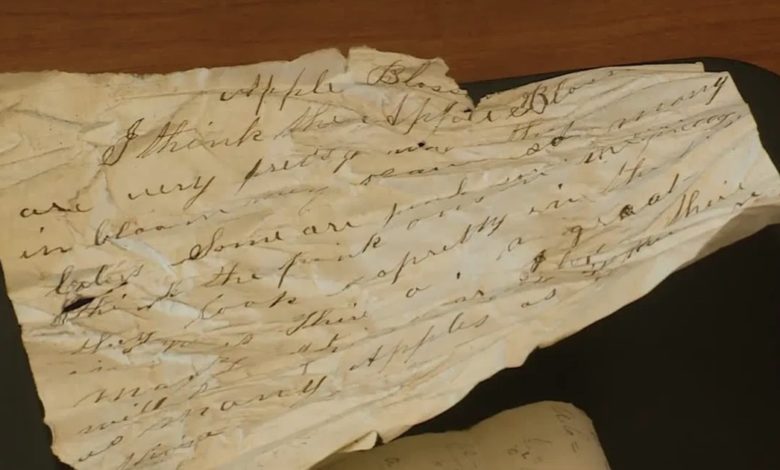
Originally it was an elite private high school Funded thanks to the efforts of Stephen Longfell, father of poet Henry Wadsworth Longfell. Today it gives the discovery an additional cultural dimension.
Paper scraps – sometimes only the size of the hands – reveal the simple intimacy of young people: requests for a joint walk, delight over the flowering apple trees or Caricatures of teachers with “impressive noses”.
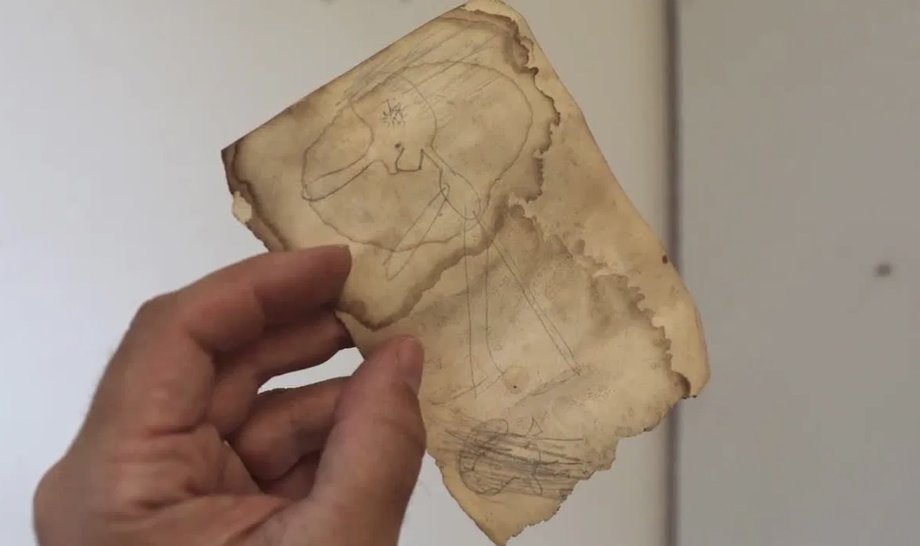
Notes found in the state of Maine
|
University of Southern Maine, CNN Newsource
Just like today, emoticons in messengers
Dr. Libby Bischof sees them in them The equivalent of today's messages from messengers sent in the lessonand Susie Bock prepares a collection for digitization so that everyone can read their peers' emotions from the beginning of the 19th century.
From the perspective of learning, the set is an invaluable microarchiwum. The historiography of education rarely has such a harsh, undesirable material describing the everyday life of young people before the era of mass diaries and photographs.
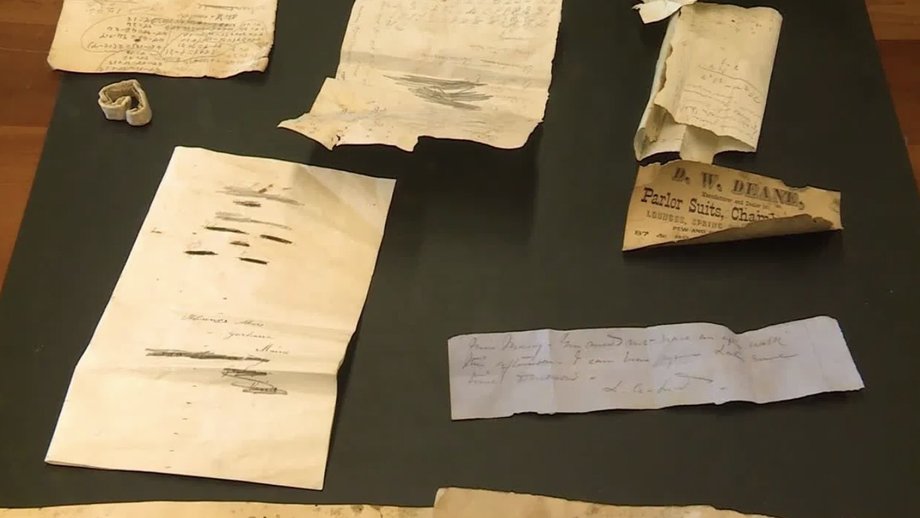
Notes found in the state of Maine
|
University of Southern Maine, CNN Newsource
It offers this to communication researchers A comparative study of colloquial evolutionshortcuts and jargon long before SMSs and online news.
Specialists in digital humanities gain a test body for training resolving magazine recognition algorithms – especially valuable, because it contains both elegant calligraphy and expressive scribbles, i.e. the whole scale of various variants.
Freshly discovered cards also open the economic dimension. The university can turn fragments into the content of a hybrid exhibition connecting physical artifacts with their three -dimensional scans. This will attract cultural tourists and potential donors.
Thanks to the growing reconstruction market in VR, the archive can also be transferred to a virtual class from 200 years ago, which will expand the portfolio of universities and technological partners to include an educational product with a unique emotional layer. An example is a lesson for the construction and development industry: the conservation of monuments increasingly requires a strategy of “diligence in the field of heritage”, in which Unexpected finds become a competitive advantage of the object instead of a costly delay.