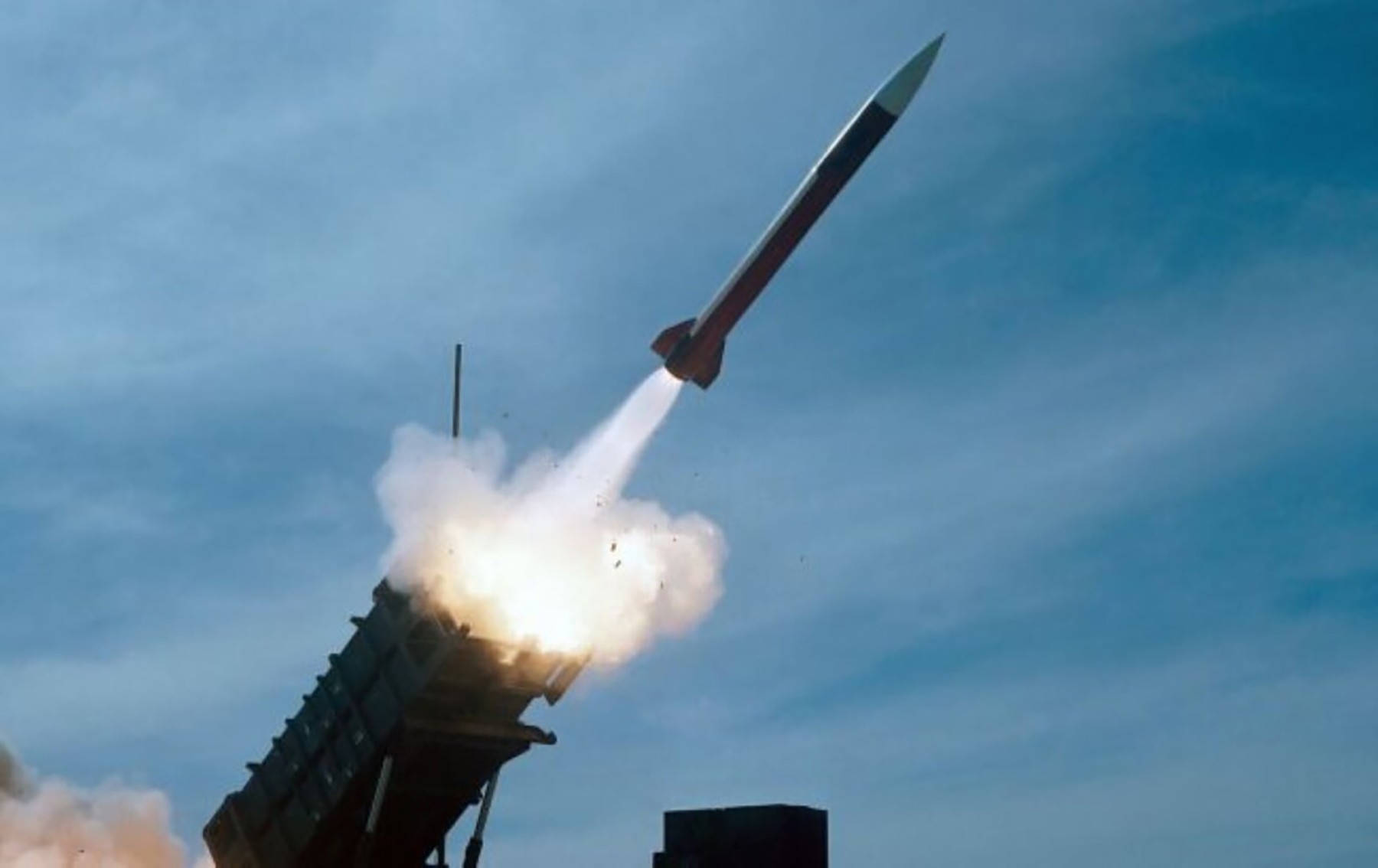
The commander of the Ukrainian army spoke with the head of the Romanian Army about a topic that will be on the CSAT table on Thursday


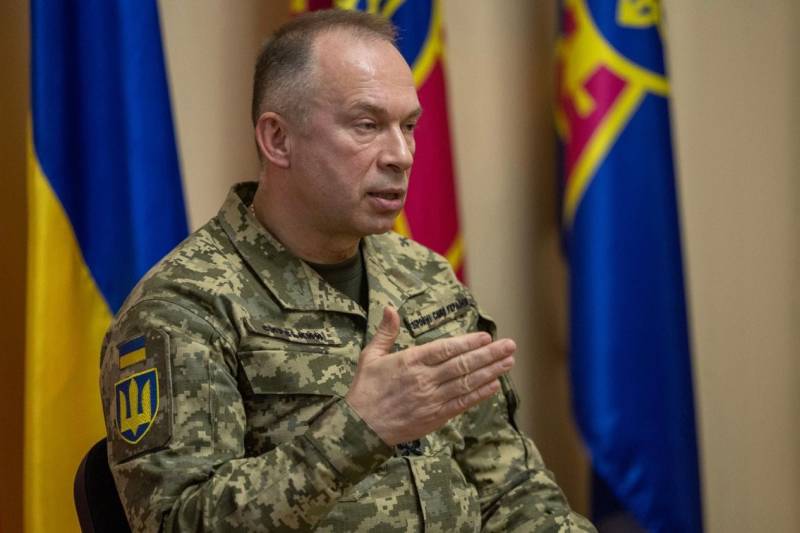
The commander of the Ukrainian armed forces, General Oleksandr Sîrskîi. Photo source: Facebook: Oleksandr Sîrski
The supreme commander of the Ukrainian forces, Oleksandr Sîrskîi, announced that he spoke on the phone with the chief of the General Staff of the Romanian Army, Gheorghiță Vlad, the discussion taking place in the context in which a CSAT meeting will take place in Cotroceni regarding the answer to be violated by Romania or other aircraft.
Sîrskîi wrote on Facebook that in the conversation with Gheorghiță presented the situation on the front and the main needs of the Ukrainian army in the fight against the Russian aggression.
“We have discussed other issues of common interest, especially in the context of the common combat of threats related to the crossing of the Ukrainian-Romanian border by the Russian aggressor with aerial means,” said the head of the Ukrainian army.
“I thanked, through General Gheorghiță Vlad, the Romanian management and the whole Romanian people for the constant political support granted to Ukraine and the military aid granted to our state, as well as for the long cooperation in the interest of defending Ukraine and protecting democracy in Europe and the world,” he said.
The Supreme Council of Defense of the Country (CSAT) was summoned by President Nicușor Dan on Monday for Thursday, at 12.00. The meeting at the Cotroceni Palace will have the subject how the authorities will respond in the case of air space violations or other types of aircraft.
The CSAT summons comes in the context in which, on September 13, a Russian drone entered the airspace of Romania, and the Romanian army raised the ground to intercept the drone.
Shortly after the incident, the Minister of Defense Ionuț Moșteanu stated that, regarding the procedure for breaking the aircraft entering the Romanian air space, the details will be established in the CSAT.
In the case of drones, the breaking decision can also be taken by the command of the interception operation. In this framework, the pilots of the two F-16 aircraft who took off for the drone interception were permission to destroy the drone, but the decision remained at their discretion.
“The pilots had intermittent contact, saw it, but when they had direct contact, evaluated the collateral risks and decided not to go down. I trust their maturity,” said the Minister of Defense.