
A delicacy made of donkey milk. Why a kind of Serbian cheese is one of the most expensive in the world

A kilogram of Serbian cheese “Pule”, made of donkey milk, has come to cost no less than 1,200 euros, more than the average monthly salary in Serbia. This type of cheese is sold exclusively in the Zasavica Nature Reserve, located about 80 kilometers west of the capital Belgrade, reports BBC.
“To produce only one kilogram of cheese, 25 liters of donkey milk are needed, and a donkey produces this quantity within a year and a half,” explains Vuk Simć, manager of the Zasavica Nature Reserve, in an interview with BBC Serbia.
However, among the most expensive cheeses in the world, “Pule” does not have the absolute record. This title currently belongs to the Spanish blue cheese “Cabrales”. In 2024 2.5 kilograms of it were sold for 36,000 euros, a record recognized in the Book of Guinness Records.
However, “Pule” cheese remains a luxury accessible only to those with substantial incomes. He even aroused the interest of the Legend of World Tennis Novak Djokovic, who would have bought some time ago all the production of “Pule” cheese produced in a year, for his restaurant chain.
Where the “Pule” cheese is sold
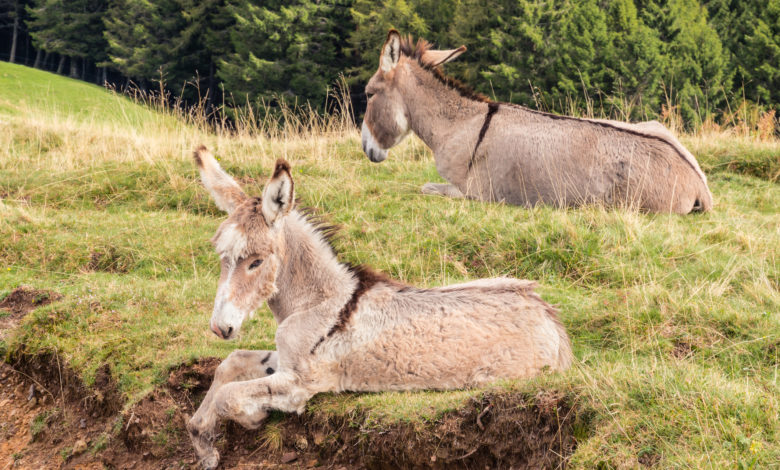
Zasavica is a natural reserve with an area of 36 square kilometers, which hosts rare species of plants and animals, including wild horses and hundreds of bird species. But its most famous inhabitants are the 300 donkeys, which makes the reserve the largest donkey farm in southeast Europe.
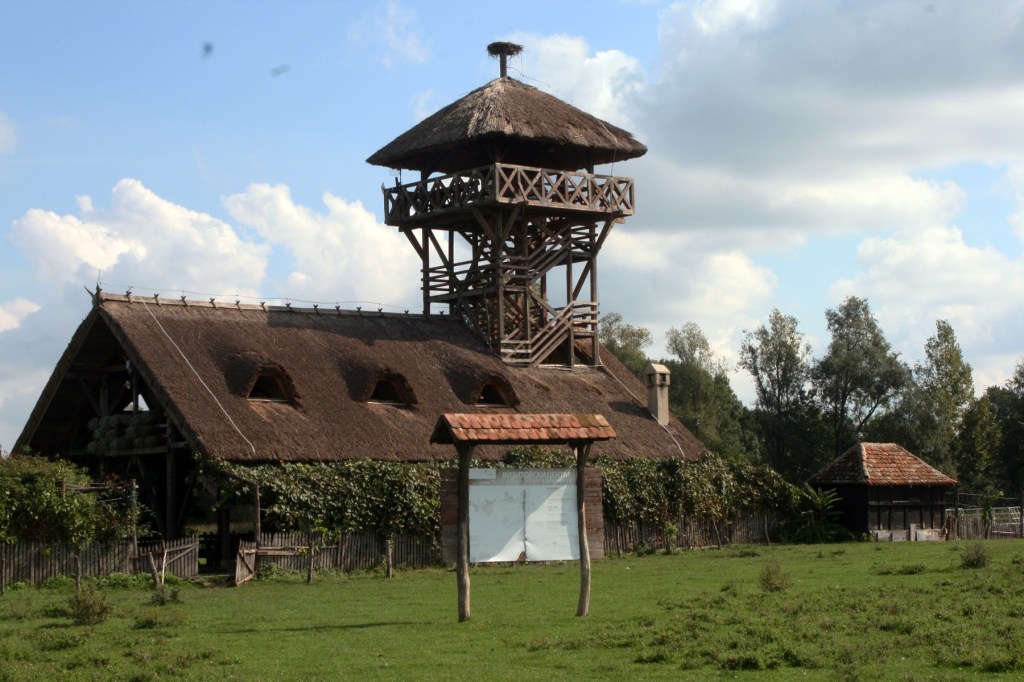
“Each donkey has its own personality,” says Nikola Nilić, the leader of the farm. “One is more playful, the other one more detained, but everyone loves to be aligned – it just doesn't be too much,” he explains.
Of the 300 donkeys, only around 12 are male. “I live like a harem,” jokes Vuk Simić. Females begin to mate just 9 days after birth, which keeps them in an almost constant state of lactation.
But lactation continues only as long as a sting is near the mother, and the milk is produced in very small quantities.
“A donkey gives only about 300 milliliters of milk a day, as much as a glass,” says Simć.
Half of this quantity is consumed by the fungus, which makes the production of “dick” cheese.
The secret of the “Pule” cheese
But what exactly does this special cheese do?
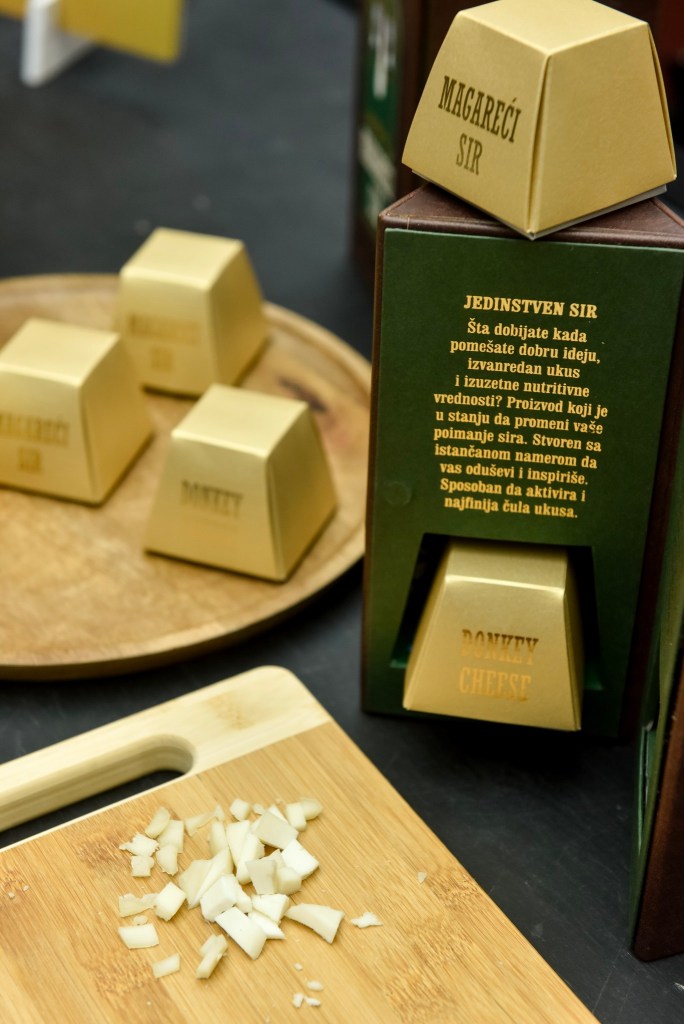
Asked about the secret ingredient, Nikola Nilić just smiles. “That I can't tell you,” he replies.
The idea of producing cheese from donkey milk came for the first time, more than ten years ago, Vuk Simić's father, Slobodan.
One of the biggest challenges was the unique consistency of donkey milk, which resembles the human one and does not thicken easily.
But, after numerous failed attempts, the specialists from Zasavica finally managed to improve the technique.
“The taste of the cheese is not resembles anything else,” says Simić. “I like to say it tastes luxury,” he says.
Despite its reputation, the “Pule” cheese is not widely available and does not export. It can only be bought in Zasavica and not even in the restaurant within the reservation, but only from a small local store.
“We produce only 25-30 kilograms a year, which makes it an extremely rare product,” explains Simć.
Extremely slow production for “Pule” cheese
According to the Association of Animal Breeders in Serbia, there are some small farms in the country, but most focus on the sale of milk, not cheese.
The production of this milk has no impact on the national economy, the Chamber of Commerce and Industry of Serbia told the BBC.
“The purchase of donkey milk for a large -scale cheese production is simply not profitable,” say the representatives of the Belgrade Chamber of Commerce.
In addition, the export of cheese would require special rules, so the Zasavica Reserve remains the only one that has the secret recipe. “For now, we do not plan to share it with anyone,” says Simić.
Although international buyers are interested in “Pule” cheese, Simć states that export is not a priority. “He has heard about us around the world and we sell every piece of cheese that we produce,” he says with confidence.
Most buyers, he admits, are wealthy strangers, willing to pay for this rare delight.


