Luxury fashion as an investment. How Birkin's and Kelly bags have outdated scholarships in 2025

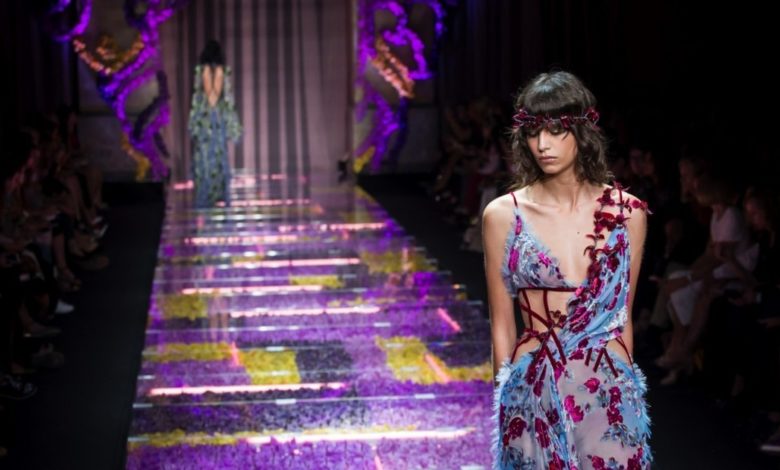
Although the fashion industry is facing difficulties this year, there are some segments, at the intersection between Lifestyle and how we invest, which continue to evolve. Luxury, vintage and sports, designer articles are attractive options for investors, say analysts.
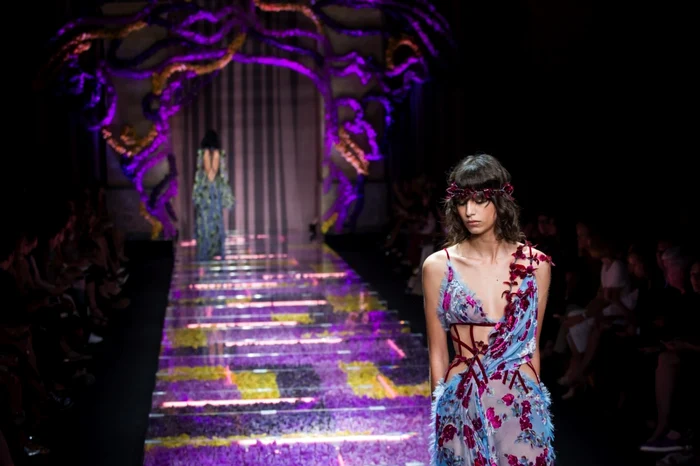
The luxury fashion industry is attractive to investors. Photo archive
The luxury goods market has demonstrated remarkable resilience and growth. The Global Luxury S&P index has registered an annual appreciation of almost 7% in the last 10 years and over 13% in the last five, says Etoro Bogdan Maioro -Maoreanu analyst, specifying that the industry has been experiencing some challenges lately.
Fashion leaders questioned in the BOF-MCKINSEY State of Fashion Survey survey have been as pessimistic for 2025 as they were in 2024, the analyst mentions. “Only 20% expect improvements in consumers' feeling this year, while 39% see a worsening of industry conditions. The concern about the feeling of consumers comes from the fact that economic perspectives remain unstable and weak on all markets, as well as from how geopolitical instability and economic volatility will affect the fashion landscape this year. The prospects of the fashion industry for 2025 seem to be a continuation of the slowdown observed in 2024: a stabilization of the increase of the companies at a low level, of a single digit is expected. While luxury has led to value creation in recent years, McKinsey Global Fashion Index predicted that, in 2024, the non-luxury segment will be the one that will determine the entire growth of economic profit for the first time in 2010 (excluding the Covid-19) ” added the analyst.
According to him, the industry is trying to explore some less used resources to stimulate growth. According to the report, in the US, 72% of the population's wealth is owned by people over 55 years old. Fashion brands traditionally focused on young people, but in 2025 they could have difficulty in growing sales only among young buyers. The “generation of silver”, over 50 years old, represents a growing population, with a high weight in global expenses. People over the age of 50 represented 38% of total global expenses in 2024 and will generate 48% of global growth, with an increase of 60% in China and the US and 79% in the five largest EU economies in 2025.
Birkin's and Kelly bags have exceeded many stockings
Luxury companies are trying to find the right recipe for their customers and remain relevant in a very complex environment. Hermès, for example, is famous for his luxury fashion items, but also for the investment value of his products, especially Birkin and Kelly bags. Some of these bags have registered a constant appreciation, exceeding many stock indices. LVMH (Louis Vuitton Moet Hennessy), the largest luxury conglomerate in the world, has a portfolio of prestigious brands, including Louis Vuitton, Dior and Fendi, which continues to register a strong income growth and maintain high margins. Other notable players include Moncler and Kering, the owner of the Gucci and Saint Laurent brands, who have managed to successfully combine tradition with innovation to attract new luxury consumers from all over the world. Companies offer a combination of the power of the brand and the rarity of articles coveted by collectors.
Vintage items, spectacular comeback
The market for vintage clothing is currently knowing a spectacular rebirth, fueled by the concerns of sustainability and the desire to have a unique and timeless style, notes the Etoro analyst. The vintage articles of the bohemian era of the 1970s, the rebirth of the Y2K style and the maximalism of the 1980s are increasingly sought after by both collectors and younger consumers. This trend is supported by specialized platforms in vintage and second-hand luxury products, which have expanded their market coverage area. The growth of the vintage market is reflected in the growing value of the designer collection objects, including bags, watches and jewelry, which often exceed the retail of the new ones and offers investors a tangible asset with emotional and cultural value. In recent years, some luxury brands have begun to sell their own used items or to collaborate with platforms that sell such products. For example, great luxury conglomerates such as kering (the owner of the Gucci brand) have invested in platforms such as Collective, recognizing the potential of this market.
But in the last period, another cultural phenomenon has been developed. Designer sports articles are a new dynamic tendency to invest in lifestyle, driven by the global ascension of sports and performance sport, which combines fashion with functionality. The attractiveness of designer sports articles lies in their ability to attract various consumers segments, from performance athletes to people interested in fashion, which makes them a versatile and resilient investment category.
Sneakers with vintage appearance
Companies such as Adidas have revitalized their brand through successful products, such as Vintage Samba, and strategic collaborations that combine streetwear with high-class fashion. At the same time, provocative brands such as Asics recorded impressive scholarship performance (+78% in the last 12 months), driven by innovation and market share. Nike, a giant of sports products, continues to fight for the domination of the market by innovation. Despite the poor performance lately, with the actions reaching the lowest level in the last five years, some of its vintage models record impressive figures. Early this year, Sotheby's recorded the sale of the most expensive collection of sports shoes in the history of the auction house, when the package of eight pairs of basketball boots known as “Dynasty Collection” – which included eight pairs of Air Jordan worn by Michael Jordan during the NBA playoffs of eight seasons of dollars.
Most of the individual investors in Romania own in their active liquid, cash accounts, (including savings) (74%), currencies (59%), crypto (53%) and local shares (50%), according to the latest Etoro Investor Beat. But 29% of investors are looking for alternative investments (which can vary from real estate to art and collection objects). Luxury fashion remains a cornerstone of investments in Lifestyle, driven by the sustainable attractiveness of iconic brands and limited edition pieces, which can be appreciated over time.
Although fashion investments are not for everyone, iconic brands or products have their fans, some in search of a good offer, others in search of the next star of auctions. Meanwhile, luxury fashion is here to stay and dictate fashion trends for the general public for the next seasons.