MEPs are going to China. They were given instructions: leave your smartphones at home

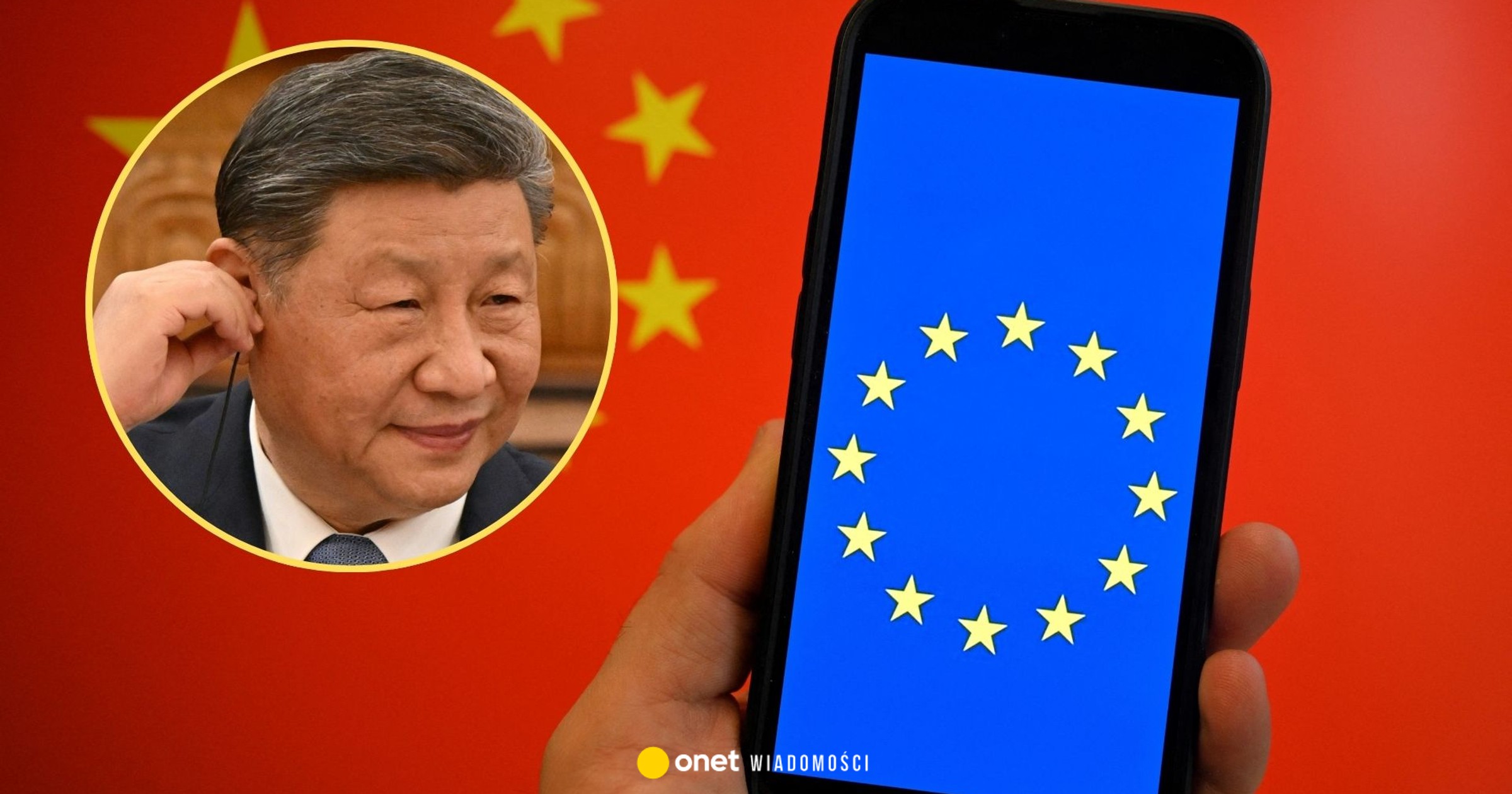
According to information revealed by POLITICO and the Financial Times, there are at least two other countries towards which the EU is showing a similar level of caution – one of them is the United States.
As a result, MEPs traveling to China next week have been asked to take pre-paid phones with them and leave their personal devices at home, two members of the delegation told POLITICO.
These are nine MEPs who will be in Beijing and Shanghai from Monday to Thursday as part of a visit devoted to digital issues and e-commerce regulations. According to the European Commission, this is the first parliamentary delegation to China in eight years.
Concerns about Chinese cyber espionage have reached a fever pitch in recent years as authorities have revealed more attacks by Chinese state-backed hacking groups on European governments and the private sector.
A spokesman for the European Parliament said that “all necessary preventive and response measures are in place to ensure the safety of MEPs and staff [Parlamentu Europejskiego] during official missions.” He added that both lawmakers and officials received “instructions, training and security assistance.”
The European Parliament has previously used pre-paid phones and special security cases to protect devices such as smartphones, including during a trip to Hungary last year, which was also first reported by POLITICO.
Other European Union institutions have also strengthened their defenses against cyber espionage. One senior official told POLITICO in Brussels that the EU Council has guidelines stating that “No electronic devices are taken to the United States or China… When this is not possible, devices brought back must be cleaned.”
Commission officials traveling to the United States were given “disposable” pre-paid phones and basic laptops to avoid the risk of espionage, the Financial Times reported last year.
Cyber attack on European Commission websites
The EU's executive branch said on Friday that it had detected the attack last Tuesday and had taken “immediate action” to contain it.
The attack affected the cloud computing infrastructure used by the Commission to manage the Europa.eu platform, which hosts the websites of the Commission, the European Parliament, the Council of the EU and other EU institutions.
The commission concluded that the incident had been “contained.” However, she added that preliminary stages of the investigation suggest that some data may have been stolen from these websites. However, the EC maintains that the attack did not affect its own internal systems. However, she did not say who was responsible for the attack.
European governments and businesses are increasingly attacked by hacker groups, both criminal and state-sponsored. The head of the EU's cybersecurity agency ENISA recently warned that Europe is “suffering huge losses.”
The Commission added that it was in the process of contacting EU institutions that may have been affected by the attack and that it would continue to monitor the situation and later analyze what happened in order to strengthen its cyber protection in the future.
The cybersecurity of the EU institutions is the responsibility of a body called CERT-EU, within the Commission's IT department.