Magyar wants to go after the EU money. However, Brussels imposes a wall of conditions. It won't be easy

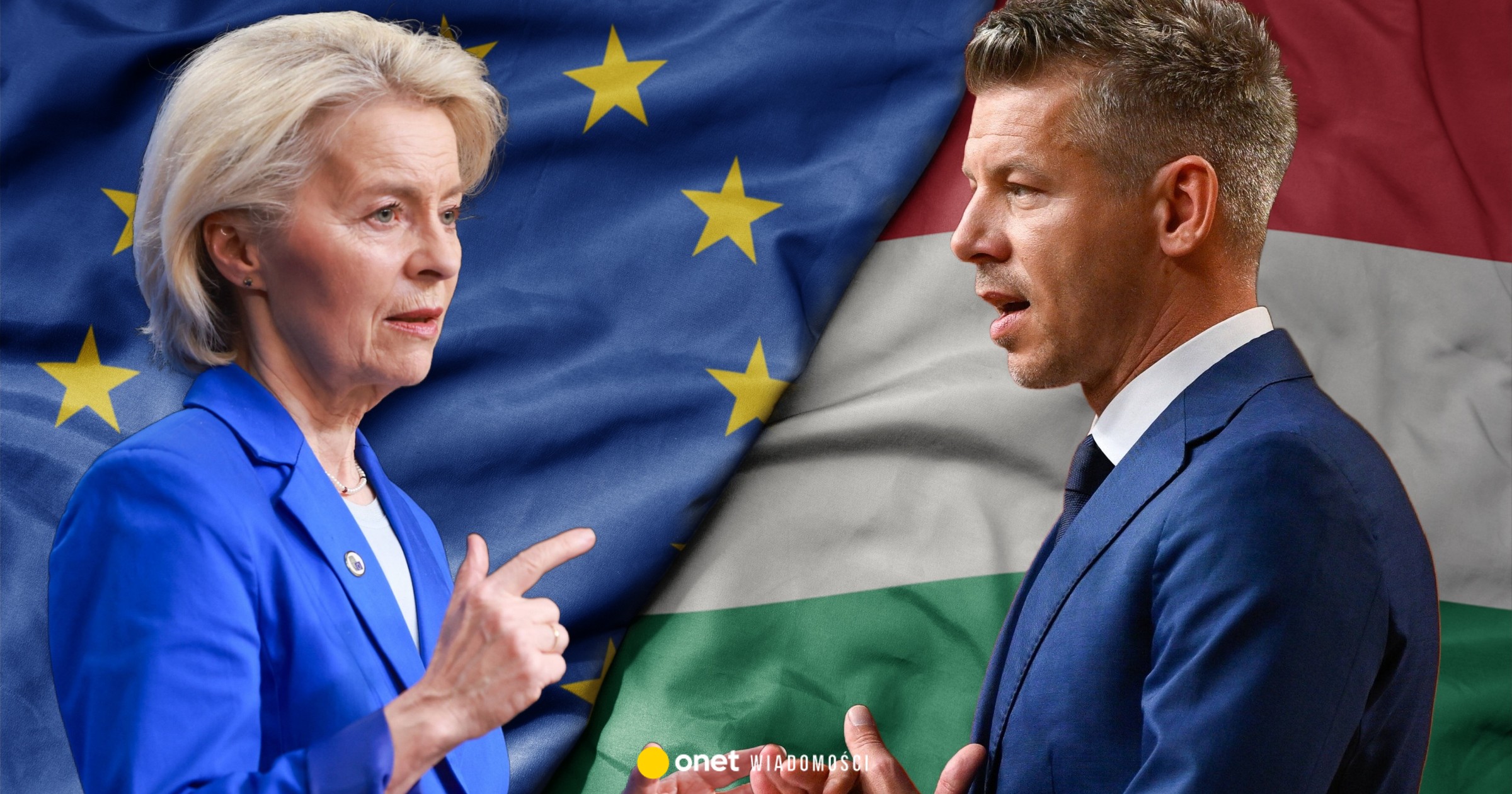
After sixteen years of undisputed domination by Viktor Orban, a new name is being mentioned more and more often in Brussels: Peter Magyar.
The future Hungarian prime minister is leaving nothing to chance, and although the official takeover of power will not take place until May at the earliest, he has apparently already started talks on improving relations between Hungary and Brussels.
These relations, especially since the outbreak of the war in Ukraine, remain extremely tense.
On Monday, April 13, Magyar also spoke by phone to the President of the European Commission, Ursula von der Leyen, sending a clear signal – the era of ideological trenches is coming to an end and hard political pragmatism is taking its place. What is at stake is the unlocking of key financial streams that Budapest has long been deprived of.
A new era of relationships?
The number one priority for the new administration is to immediately unlock a total of EUR 18 billion (approx. PLN 77 billion), divided between the cohesion funds and funds from the Reconstruction Fund. However, Magyar realizes that the time to implement the required reforms will not be unlimited.
Peter Magyar during a press conference in front of the Presidential Palace in Budapest, April 15, 2026.Janos Kummer/Getty Images/Getty Images
To understand this dispute between Budapest and Brussels, you need to go back to the end of 2022. Then, for the first time in history, the European Union launched the so-called conditionality mechanism, i.e. blocking funds for a member state on the condition that democratic standards are restored. Brussels then officially blocked Hungary's access to billions of euros due to the systematic undermining of the rule of law.
The main impetus was long-standing concerns about:
- uncontrolled corruption,
- non-transparent awarding of public contracts to companies linked to the ruling Fidesz party
- and limiting the independence of the judiciary.
The European Commission pointed out serious deficiencies in the control and audit system, and Hungary under Orbán refused to cooperate closely with the European Public Prosecutor's Office for years.
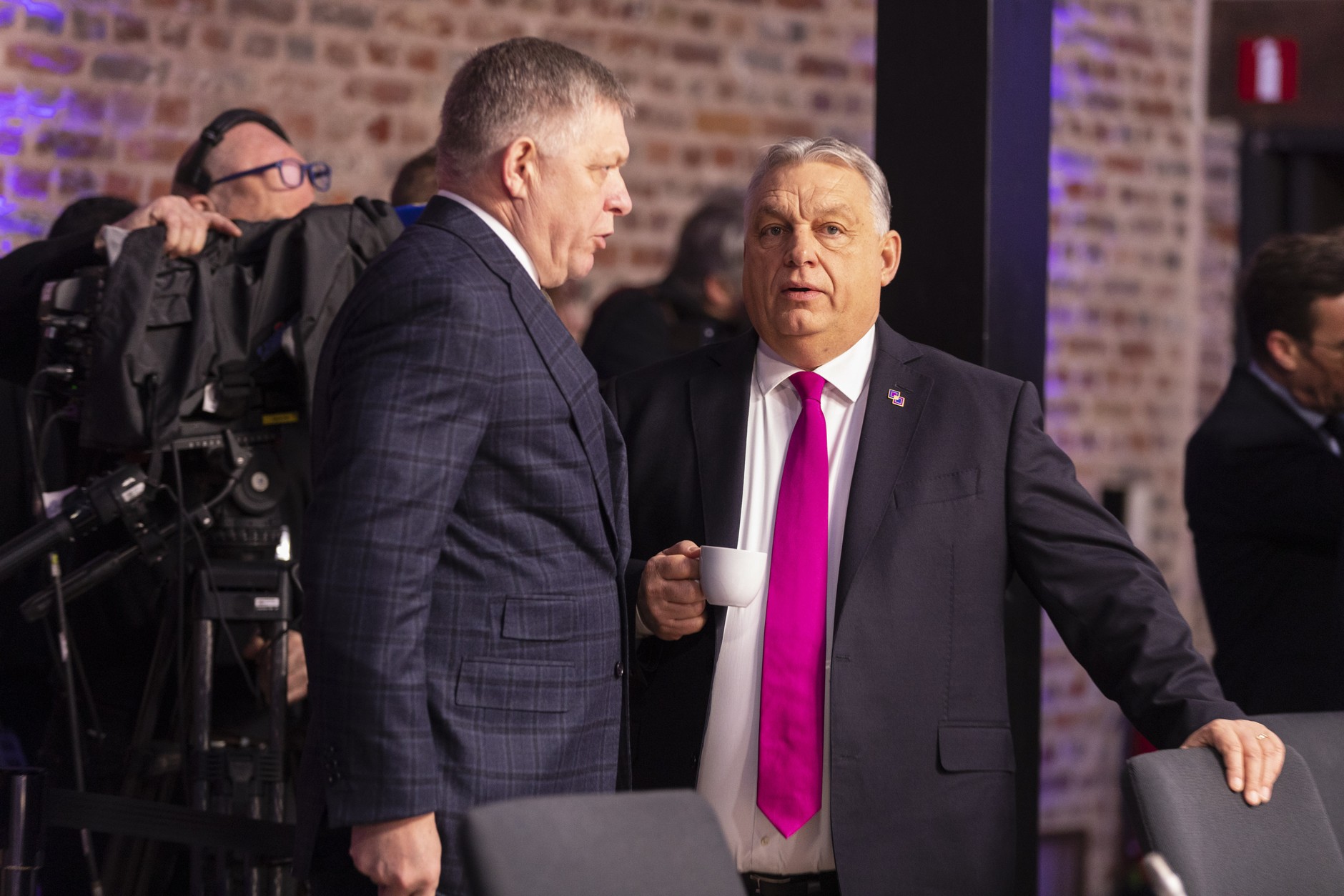
Robert Fico and Viktor Orban attend an informal meeting of EU leaders in Alden Biesen in Flanders, Belgium, February 12, 2026.Anadolu / Contributor / Getty Images
What will Brussels demand?
Today, Brussels is demanding a high price for the release of this money and expects clear concessions from the new leader, going far beyond technical reforms.
The European Commission demands:
- end of the Hungarian veto on a key loan for Kiev,
- support for further sanctions packages against Russia
- and consent to start formal accession negotiations with Ukraine.
So Magyar found himself in a difficult position – must balance pressure from Brussels with the mood of the domestic electorate. Unlike Polish Prime Minister Donald Tusk, who faced similar problems three years ago after taking power, he has a unique advantage: thanks to the expected constitutional majority in parliament, he can almost immediately push through the rule of law reforms required by Brussels as a condition for the disbursement of funds.
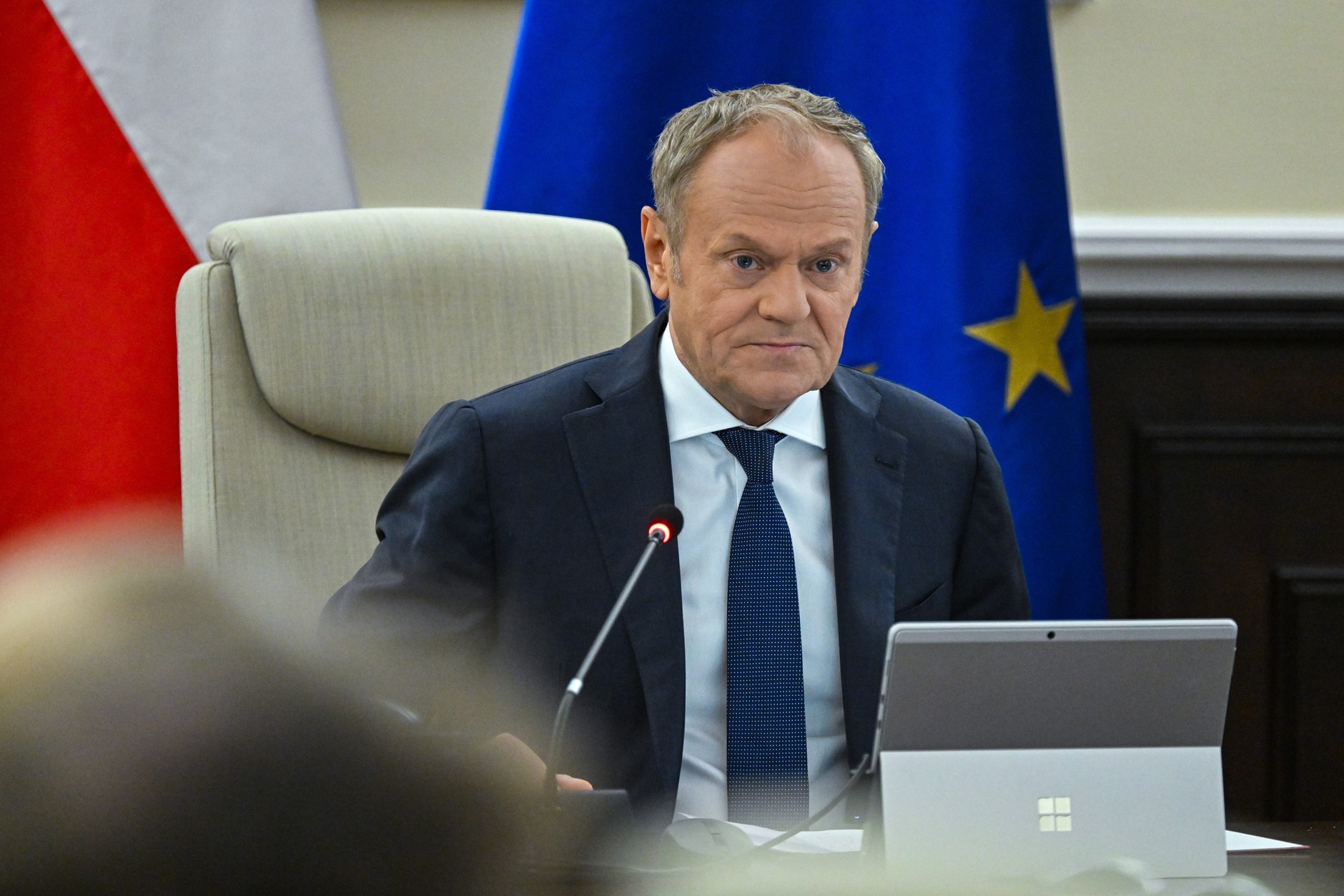
Donald TuskPiotr Nowak / PAP
The Slovak political scene is watching the developments with great interest and presenting different opinions on how quickly and at what cost Hungary will be able to recover the money.
Will Magyar repeat Tusk's scenario?
Martin Hojsik from the largest opposition and liberal party, Progressive Slovakia, believes in a positive turn and compares the situation to the Polish scenario of 2023, when liberal Donald Tusk defeated PiS, which also, like Orban, had difficult relations with Brussels.
They will certainly try to recover the frozen funds as soon as possible, just like Poland. They were not frozen because Orban was in power, but because the basic principles of the rule of law did not work in Hungary
– said Hojsík.
In turn, MEP Monika Benova from Robert Fico's Slovak Smer party does not hide her skepticism and believes that the wide-ranging reforms demanded by the EU may in practice never be fully implemented. In her opinion, we need to wait to see how quickly the new parliament will prepare specific actions, although she admits the possibility that the Commission will pay part of the funds as a political advance.
Milan Uhrik from the conservative Slovak Republic party views the situation similarly, who believes that the funds will be unfrozen as a symbolic political gesture intended to reward Hungary for abandoning Orban's policy.
Europe's “Plan B”.
The European Union faced a serious political crisis in March and April 2026. Then Viktor Orban officially blocked the approval of a huge loan for Ukraine worth a total of EUR 90 billion (about PLN 387 billion). This package, covering the years 2026–2027, is of key importance for Kiev – EUR 60 billion (approx. PLN 258 billion) was to go to military aid, and the remaining EUR 30 billion (approx. PLN 129 billion) to the functioning of the state and basic public services.
The interesting thing about this financial mechanism is its design. The loan was designed for Slovakia and the Czech Republic did not participate directly financially in it. Together with Hungary, these countries have negotiated an exception thanks to which they do not have to contribute funds to the fund or guarantee the repayment of the loan.
Although Slovakia under Robert Fico has expressed some political solidarity with Hungary due to their shared oil problems, blocking the entire package remains primarily Budapest's initiative.
Meanwhile, Ukraine warns that without these funds it risks insolvency as early as May. European leaders are therefore quietly preparing a “plan B” in the form of bilateral loans from the Nordic and Baltic states, which would help Kiev survive the coming months regardless of Budapest's position.