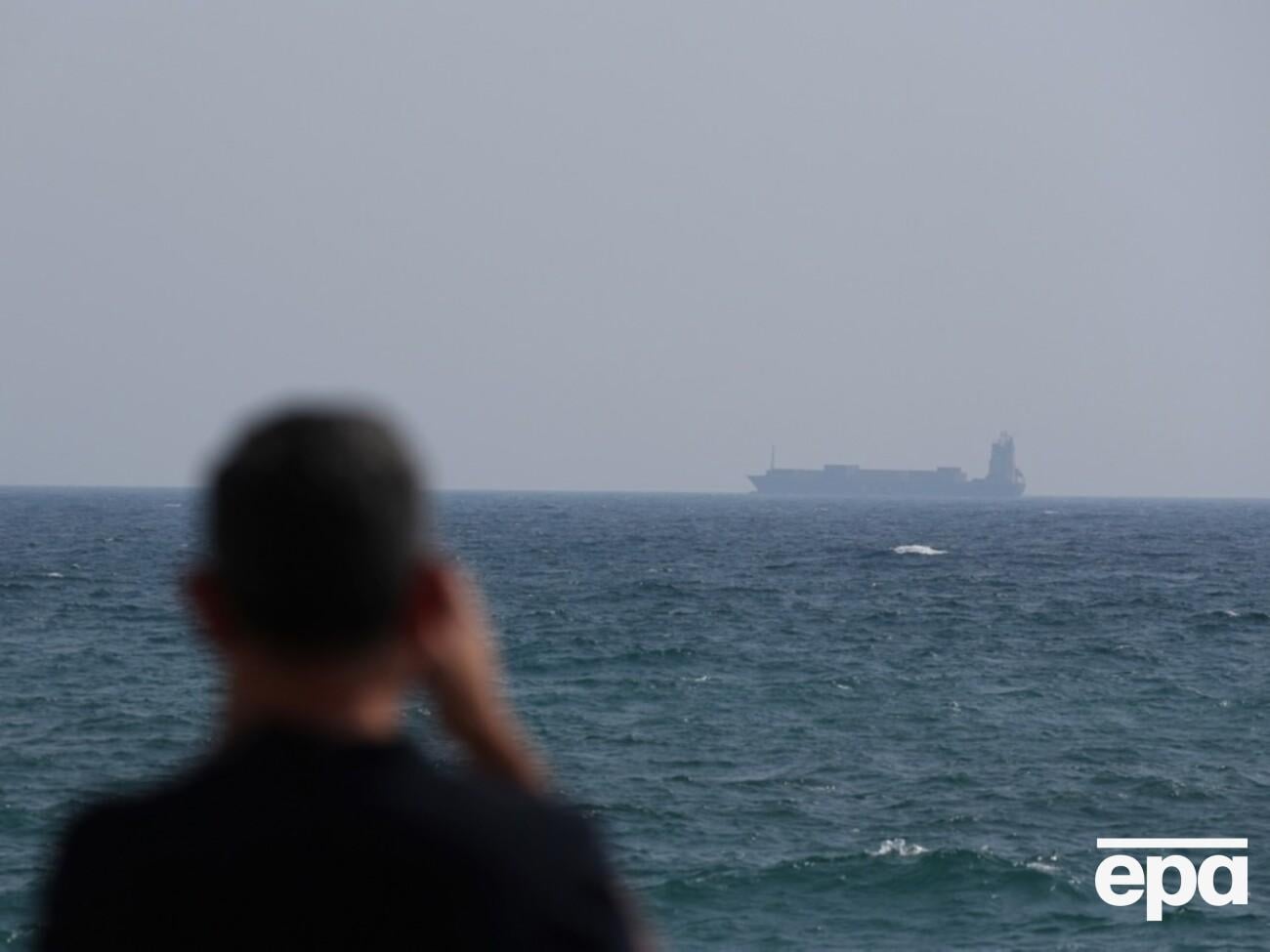
The Strait of Hormuz connects the Persian Gulf to the Indian Ocean and supplies about a quarter of the world's maritime oil supplies. Every day, millions of barrels of crude oil and petroleum products pass through it from the Middle East to Asia, Europe and the United States. Most exporters in the region, in particular Saudi Arabia, Iraq, Kuwait, the United Arab Emirates and Iran itself, do not have a viable alternative to this route.
Analysts note that even a partial restriction of tanker movement could lead to a jump in world oil prices. A complete closure of the strait, even for a few days, can provoke panic in energy markets and push quotes to a sharp rise.
Despite the fact that Iran has previously threatened to close the strait during periods of tension, it has not come to a complete blockade. Experts believe that such a step could cause a harsh reaction from the international coalition and the US naval forces patrolling the region.
At the same time, analysts cited by Reuters consider a complete and prolonged closure of the strait unlikely, but even restricting movement creates serious risks for the global energy market.
Experts estimate that if traffic through the Strait of Hormuz is disrupted, more than 20% of the world's oil and liquefied natural gas supplies could be at risk. Even partial disruptions or the refusal of some tankers to enter the region could lead to a reduction in supplies by several million barrels per day and push oil prices to more than $100 per barrel.
At the same time, some major oil companies and leading traders have already stopped shipments of crude oil and fuel through the strait following the attacks.
Tehran also has the tools to create serious disruptions in shipping – from the use of high-speed boats and drones to mining the waters. Even without a formal closure of the strait, increasing risks for ships could complicate or slow down the transportation of energy resources, Bloomberg adds.
Context
On the morning of February 28, Israel announced the military operation “Lion's Roar” in Iran; explosions were reported in Tehran and a number of other cities in the country. Israeli Prime Minister Benjamin Netanyahu called on Iranians to take power into their own hands.
US President Donald Trump announced his intention protect the American people by eliminating the immediate threat from the Iranian regime.” He warned of the possibility of casualties in the US military, noting that “this happens often in war, but [Белый дом] does this not for the sake of today, but for the sake of the future, and this is a noble mission.”
Tehran threatened a “crushing” retaliatory strike. The Israel Defense Forces later reported several rocket launches in response from Iran. The media later wrote about the fall of two ballistic missiles in northern Israel.
Later, explosions were recorded in several other countries in the Middle East where there are American military bases – in Qatar, Kuwait, the UAE and Bahrain.