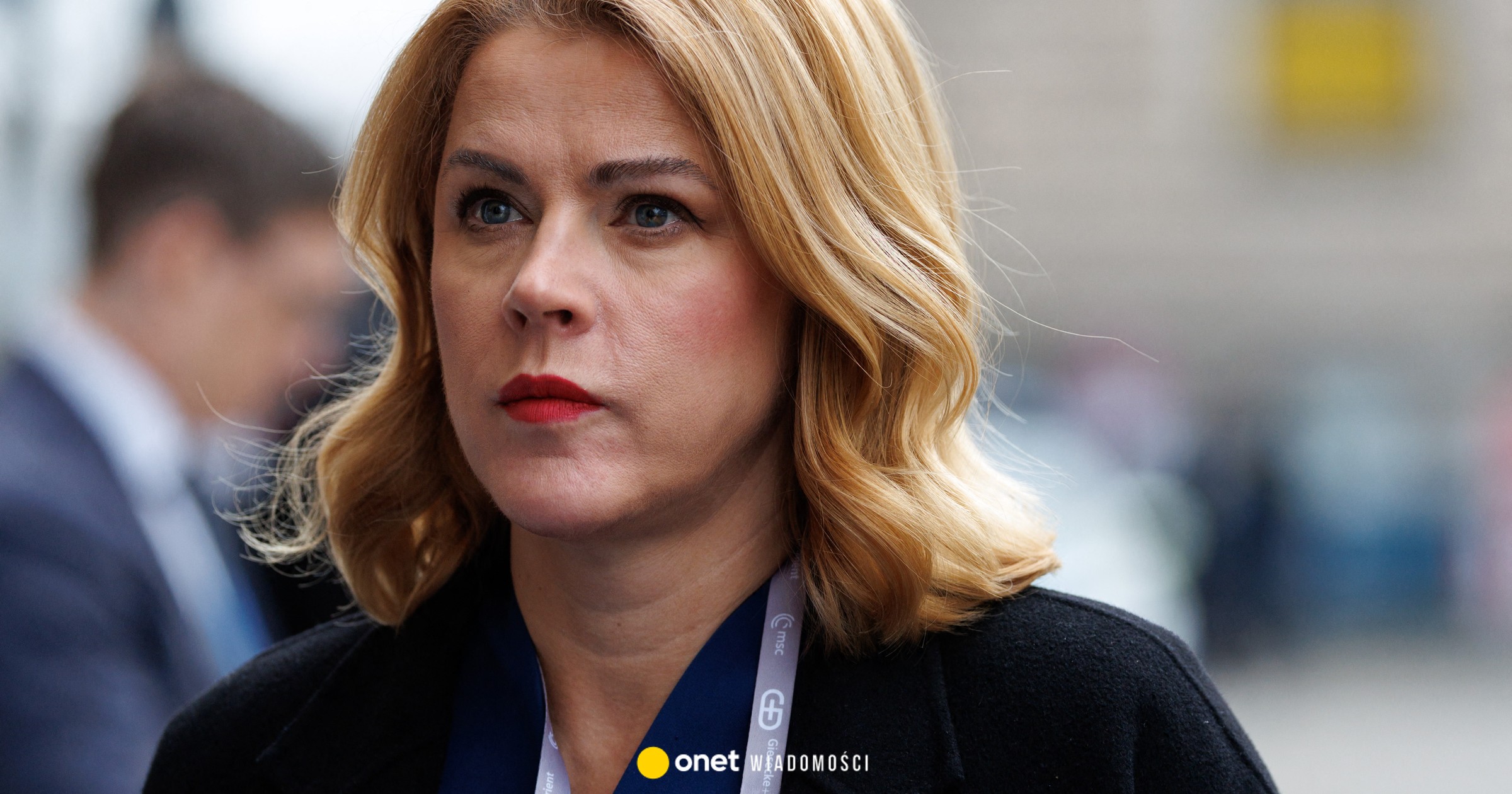
Europe must become a geopolitical power that will talk to the United States in a “direct and clear way,” Silina emphasizes in an interview with POLITICO.
The Baltic leader's statement reflects a growing consensus across Europe that the conflict over Greenland – the worst in a long series of disputes between allies sparked by Trump since he returned to the White House – has caused unprecedented tension in transatlantic relations.
On Saturday, February 14, US Secretary of State Marco Rubio (during his speech at the Munich Security Conference) adopted a softer tone, emphasizing that Washington would not be “the guardian of the managed decline of the West”, but insisted that it wanted to “revitalize the old friendship” with Europe.
Many Europeans greeted Rubio's comments with caution, noting that the ideological underpinnings of the Trump administration had not changed. Silina says Rubio has shown that “Europe and the United States are working together towards a stronger, more secure and more prosperous future,” but adds that “the world is different now.”
That means both sides need to agree on the rules “how Europe will deal with the United States and the United States will deal with Europe,” she added.
If Europe is to become more decisive, it will mean revising cumbersome procedures that require all 27 of the European Union's often quarreling countries to reach an agreement.
This is already starting to change. Last week, EU leaders agreed that countries could split into smaller like-minded groups to speed up the law-making process and weaken veto threats from countries like Hungarywhich blocked aid to Ukraine and defense cooperation efforts.
— Europe itself is changing and our decision-making process is likely to change as well, comments Silina.
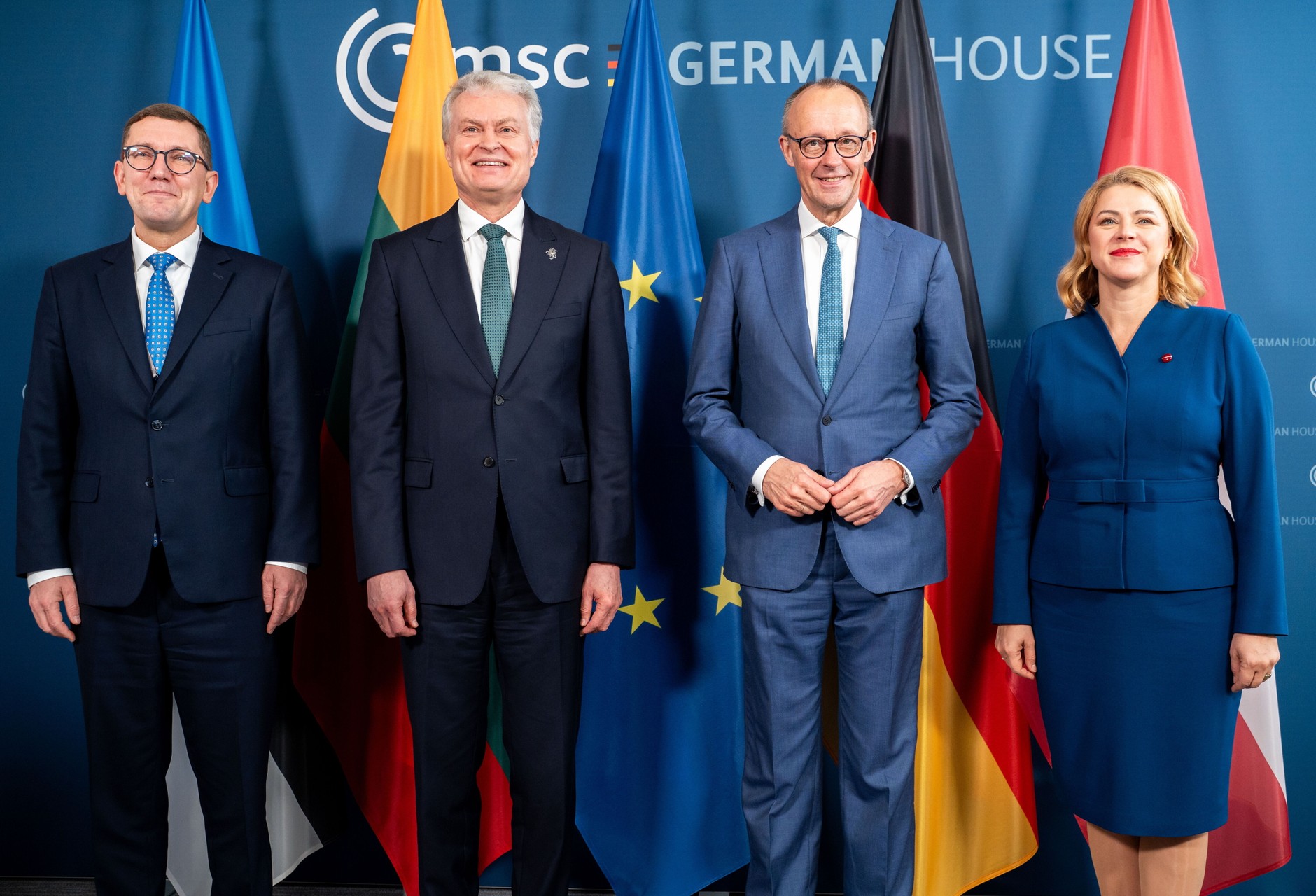
From left: Prime Minister of Estonia Kristen Michal, President of Lithuania Gitanas Nauseda, German Chancellor Friedrich Merz and Prime Minister of Latvia Evika Silina during the 62nd Security Conference in Munich, Germany, February 14, 2026.PAP/EPA/BIHLMAYER MICHAEL / POOL / PAP
The EU Commissioner for Defense and Aerospace, Andrius Kubilius, has proposed the creation of a UN-style European Security Council that would enable quick decisions to be made in crisis situations, especially if the EU decides to create a military “rapid reaction force”.
Calling the proposal “a really sensible idea,” Silina adds: “Why not create a Security Council?”
The center-right politician also says she is open to participating in early talks on a European nuclear deterrent – an idea that is gaining popularity among many EU capitals amid uncertainty over the US promise to protect the continent with nuclear weapons.
— If we take into account our previous commitments [ograniczające zdobywanie nowej broni atomowej przez poszczególne kraje]then why not? – says.
The Latvian Prime Minister adds that a better-armed and more determined Europe will also gain more respect. — This would mean that, together with the United States, we would be ready to respond more directly and clearly. We will [razem] dancing is a tango, but perhaps it will include new steps, he sums up.
Find out more: