American mafia and “War of Artaging”. How did a trivial vegetable come to cause one of the most bizarre Mafia confrontations in the US


When we talk about the street wars worn by the American mafia, we think of alcohol, weapons or illegal games. Less at … artichoke. And yet, in the 1930s, this seemingly trivial vegetable reached the center of a bloody conflict, which connected the fields of California to New York markets and put the farmers and the Sicilian mafia, writes Slate.FR.
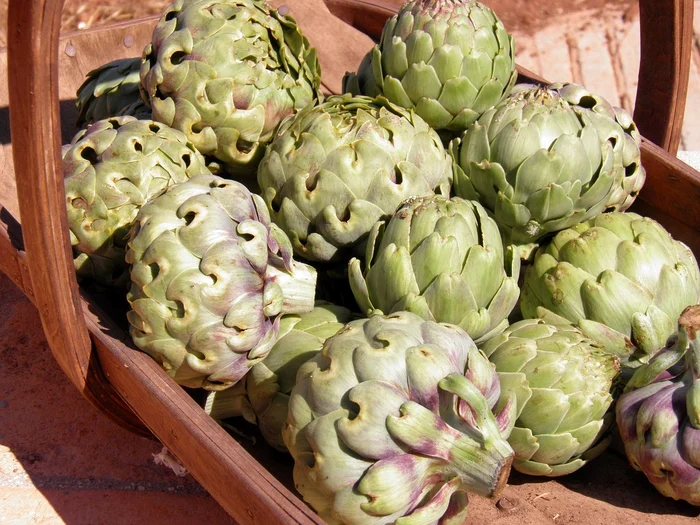
It all starts in San Mateo, California, a region where the state authority penetrated hard, but where the Italian immigrant community brought with them the passion for artichoke. With the appearance of refrigerated wagons and rapid railway transport, the vegetable has reached the tables in New York in a few days. And once the market began to bring huge profits, the mafia came into play.
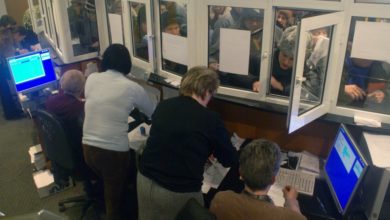
The key character: Ciro Terranova, nicknamed the “King of the Arts”, a Sicilian from the Morello family. The method was simple: he forced the wholesalers to buy only from him and increased prices by 30%. Those who dared to oppose were intimidated, beaten, sabotaged. Trucks attacked, merchandise thrown on the street, carriers beaten in the day – Bronx Terminal Market had become the battlefield of the “cursed vegetable”.
In California, the situation was no quieter. Mafia's emissions were trying to control production, buy cheap and re -prices exorbitant. The farmers organized themselves in local unions, some armed with macers and rifles, defending their crops. There were even rumors that the mafia would have used planes to throw incendiary bombs over the artichoke fields.
Everything seemed out of control, until, in December 1935, the mayor of New York, Fiorello Laguardia, gave the blow: he completely forbade the sale and detention of artichoke. “This vegetable has become a threat to the city.”declared the mayor, under the shocked eyes of bronx traders. It was an absolute premiere: an index vegetable to hit the mafia.
The decision was a spectacular political and media gesture. In a few days, the prohibition sparked waves of irony in the press and an explosive demand from the public. Laguardia raised the ban after less than a week, but his intervention had managed to be impossible: to destroy the mafia monopoly.
The king of artichokes saw his empire crashing, and the vegetable has permanently left the area of illegal trade. In the following years, the artichoke became accessible to all, transforming from the object of mafia blackmail of healthy eating, praised for antioxidants and medical benefits.
Today, almost 99% of the artichoke consumed in the US is still cultivated on the Californian coast. Only now she is no longer guarded by armed mobsters, but by organic agriculture specialists.