INTERVIEW with Lisa-Maria Tănase, the Romanian from Cambridge whose research was discussed in the British Parliament. How politicians can avoid 'ambitious initiatives'

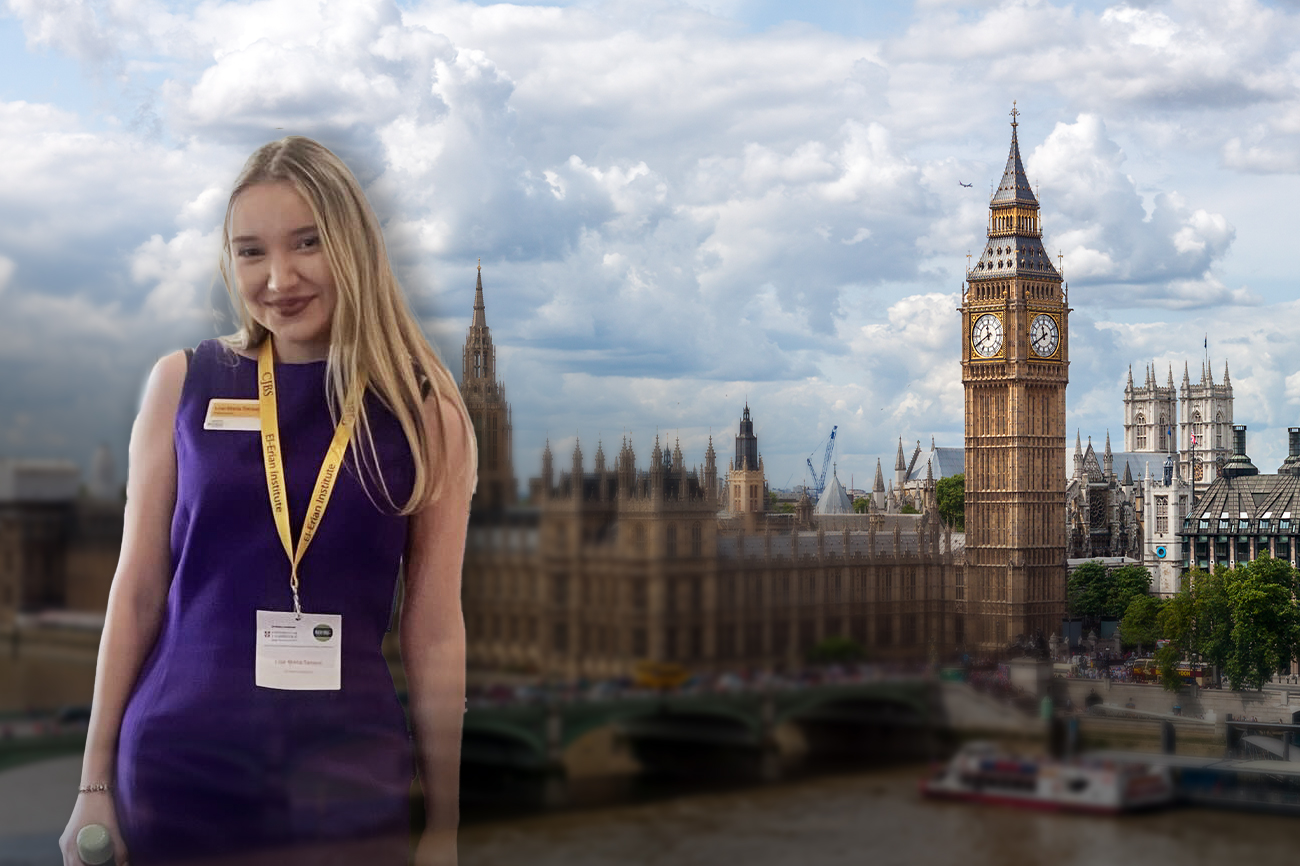
Lisa-Maria Tănase is a researcher in political psychology at the University of Cambridge and the author of a study from her doctoral thesis, cited in the British Parliament and analyzed by The Guardian. His research shows that politicians in the UK and Belgium systematically underestimate public support for climate policies, which can block important policy decisions. However, the problem goes beyond the topic of the climate, says the researcher, in a dialogue with HotNews.
- The researcher's study focused on Great Britain and Belgium, but it will also be the starting point for a research project in Denmark
- Regarding Romania, Tănase says that “it is very likely that similar mechanisms are present here as well”
Aged 28, Lisa-Maria Tănase lives in Great Britain, but has roots in Romania. Her parents are from Suceava and Tașnad, Satu Mare.
“I was not born in Romania and I have never lived in the country, but my parents raised me with respect and attachment to our culture, traditions and history”, says the young woman in the dialogue with HotNews.
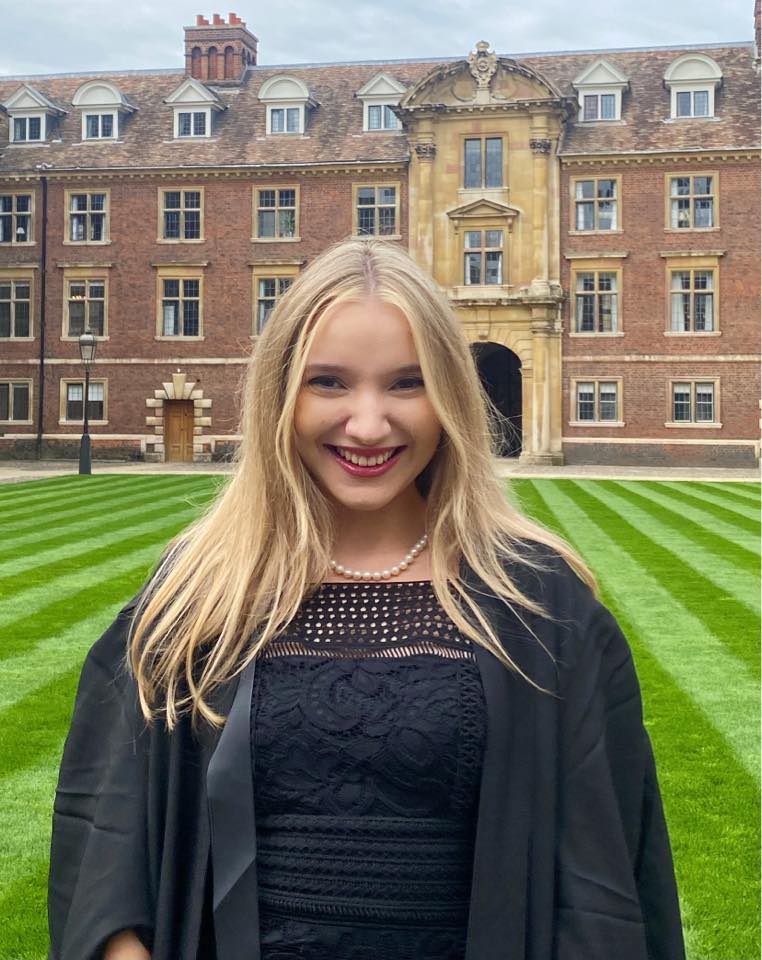
She was born in Casablanca, Morocco. He attended the French International School, then continued his studies in Great Britain, at University College London and later at Cambridge, where, at the end of last year, he defended his doctoral thesis.
Called “When Politicians Misread the Public: Experimental Evidence that Politicians Underestimate Support for Climate Policy and Norms-Based Solutions”, the young woman's research has been analyzed in the British press.
“I think that democracies work best when there is a real mutual understanding between citizens and those who represent them,” says the young researcher in the dialogue with HotNews.
Thus, the motivation for her study does not stem exclusively from concern for the climate. “For me, this topic matters far beyond the specific topic of climate policies,” Tănase explains.
“Data from organizations such as the OECD and the Pew Research Center show that, globally, most people believe that elected representatives do not take into account what people like them think,” adds the young woman.
“This perception is all the more worrying since trust is one of the most important factors that support the functioning of a democracy,” the researcher continues. The problem becomes even more serious when even the politicians who would like to act self-censor.
“If even politicians who sincerely want to do more feel constrained in their actions because they wrongly assume that public support is lower than it actually is, then we are talking about unnecessary coercion.”
The central conclusion of the research
The study coordinated by Lisa-Maria Tănase shows that parliamentarians tend to systematically underestimate public support for climate policies. In practice, this means that measures that are supported by majorities are perceived as risky or unpopular.
One key element identified by the research is what it calls “false polarization”. Politicians believe that society is much more divided than it actually is and overestimate the differences between the voters of different parties.
“Support among conservative voters has been much more underestimated than other groups,” Tănase explains, which may alienate segments of the electorate that are actually more favorable to climate action than assumed.
Costs don't scare the public as much as politicians think
A common argument in politics is that people may support green ideas in the abstract, but back off when personal costs arise. The study contradicts this assumption.
“Politicians often start from the belief that support will drop as soon as a policy involves direct personal costs or inconvenience,” says the researcher. To test this idea, the study used data from Ipsos polls, in which respondents were presented with very concrete policies, with the costs clearly explained before expressing their opinion.
The researcher points out that this is one of the strengths of the study. “Instead of asking the public abstract questions about caring for the environment or climate change, we used data from surveys conducted by a global leader in opinion research, Ipsos, which presented very concrete and transparent policies. Respondents were described specific policies, with the costs and personal inconveniences clearly explained before expressing their opinion,” says Tănase.
According to her, this makes the point of comparison between politicians' perception and actual public support “particularly robust and reliable”.
The result: “It's true that public support drops slightly when costs are made explicit, but the drop is much smaller than politicians imagine.”
When The “spiral of silence” also reaches the Parliament
A key research concept is the 'spiral of silence': the situation where people choose not to express their opinions because they assume they are in the minority. The study shows that this mechanism also works among politicians.
“If an MP believes that public or peer support is low, even when they personally support a policy, they may avoid talking about it.” Silence makes real support even less visible, and the circle is self-feeding, the researcher says.
Who gets to be the “voice of the public”
Politicians do not hear all voices equally. “Most of the time, the most visible are the most vocal actors: people very active on social networks, negative campaigns, interest groups or messages formulated in an alarmist way,” says Tănase.
The moderate majority, which can support a policy without making much noise, remains invisible.
According to the researcher, this imbalance is also amplified by the current informational environment. “There's intentional misinformation — there's a lot of people who have a vested interest in climate support being silenced. There's a lot of fake news and sensational headlines that we're hearing and that politicians will hear,” Tanase says.
In this context, critical and alarmist voices come to be perceived as representative, even if they do not reflect the opinion of the majority.
Thus, politicians end up forming a distorted image of public opinion, which directly influences their political behavior.
The effect of these misperceptions is self-censorship. “Even politicians who would like to act more assertively may avoid ambitious initiatives or delay important decisions for fear of a backlash that, in reality, is much smaller than they think.”
Another conclusion of the study is that this error occurs even among politicians who personally support climate policies, the Romanian researcher continues. “Even pro-climate politicians tend to underestimate public support,” which shows that the problem is structural, related to the information environment, not ideology.
Romania, Denmark and the wider lessons
There is no experimental data for Romania yet, but, says Tănase, “it is very likely that similar mechanisms are present here as well”. Such gaps in perception constantly arise in different democracies and on sensitive topics ranging from climate to immigration.
Her study has already inspired the launch of a new research project on parliamentarians in Denmark.
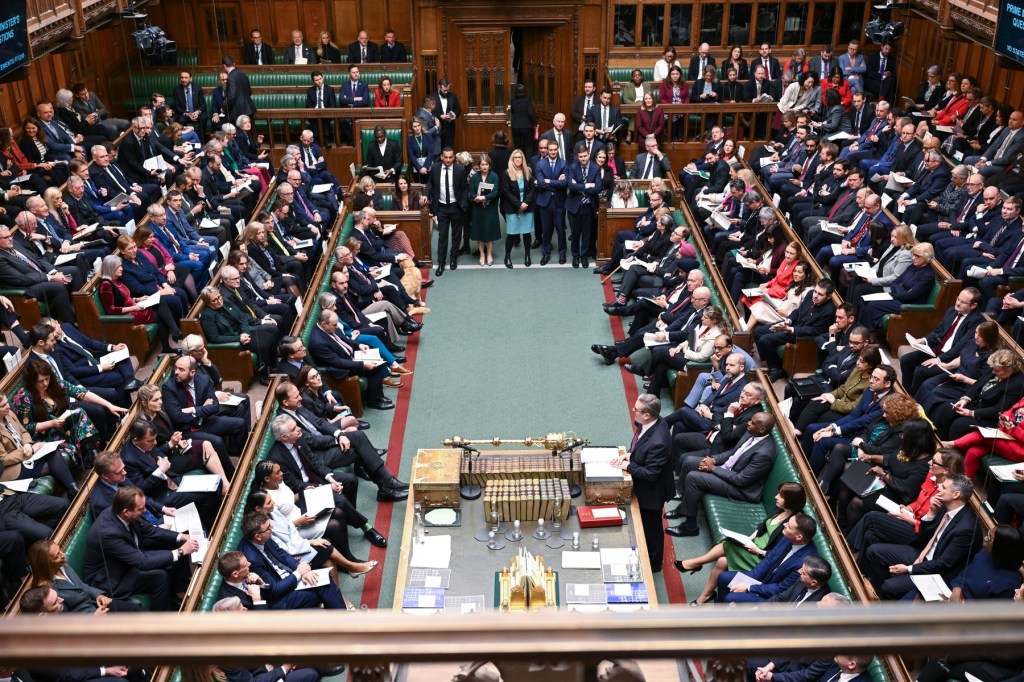
Also, the research has already had a political impact: the British energy minister publicly discussed the results in Parliament, and the author presented the conclusions to MPs and members of the government. The main lesson is “the importance of critical reflection on one's own information environment”.
This also applies to citizens, says Tănase. “We often assume that the people in our immediate circle are the majority, which is not always true.”
The loudest voices are not necessarily the most numerous, says the researcher.
“Speaking openly, without starting from the idea that your opinion is marginal, is one of the ways we can correct these misperceptions and make public opinion more visible,” Tănase concludes.