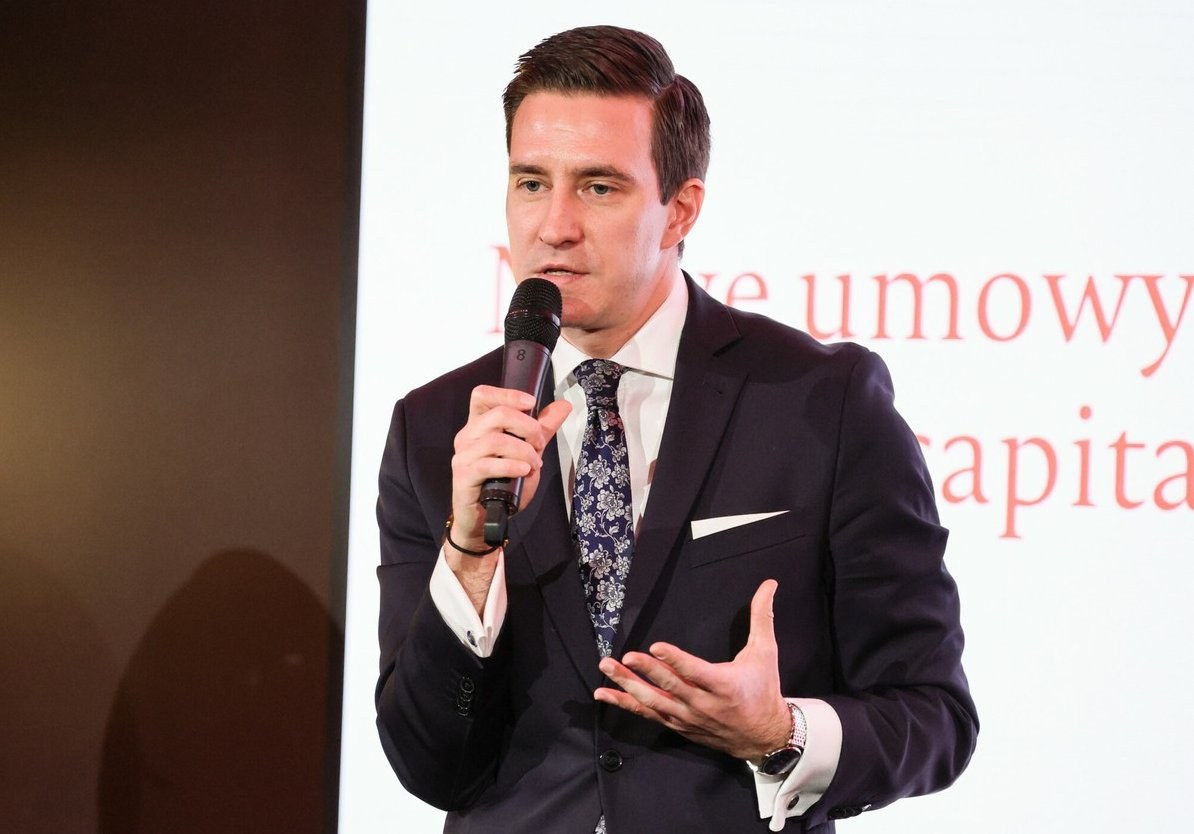
Rafał Brzoska, CEO of InPost, is vocalizing his grievances against Meta, the parent company of Facebook and Instagram, following the misuse of his image in fraudulent investment ads. Brzoska emphasizes that this issue affects not just him but thousands of people misled by these scams, stating, “We are talking about thousands of individuals deceived after seeing the face of someone they trusted.” He feels supported by the public in this fight.
This ongoing conflict has intensified as Brzoska has repeatedly criticized Meta’s lack of action against online fraud, accusing the company of not fully utilizing its technological capabilities to eliminate such deceptive advertisements. The situation escalated to the point where Meta blocked Brzoska’s Instagram account.
When asked about the financial resources he is willing to allocate to combat Meta, Brzoska replied, “I don’t have a set budget that would cap my efforts. However, I do not intend to compete with an American corporation in terms of lawyers or lobbyists. This is not my war with Meta.” He pointed out that his image is merely one tool used by criminals to exploit victims, which leads to broader issues including potential harm to children and the spread of political hate.
Brzoska Proposes New Initiative
Amidst this conflict, Brzoska has announced plans for a new initiative called SprawdzaMY, aimed at addressing these fraudulent activities. He highlights recent studies indicating that a single post regarding Meta reached 11 million people, with 99.5% of responses critical of the platform’s inaction against scams.
“I want to propose a new SprawdzaMY, a social and apolitical initiative for those affected or concerned about these issues. We need to show that permitting such crimes is destructive and can affect anyone,” he said.
SprawdzaMY, originally launched in February 2025, aims to gather feedback from citizens and businesses about outdated regulations and advocate for simplified laws in Poland. Brzoska is determined to stand against a powerful corporation that controls significant advertising infrastructure and reach on social media.
He acknowledges the risks of potential business repercussions, stating, “As the CEO of a public company, it’s irresponsible to ignore these risks. But should anyone stay silent when their family is attacked?” He expresses his fondness for Facebook and Instagram as platforms where he and many Poles share personal moments, emphasizing that users deserve safety and respect from these services.
Brzoska also underscores the larger implications of unchecked technology. He warns that the same infrastructure used for scamming could be repurposed for spreading panic in times of crisis, potentially jeopardizing national security.
“Today, it’s my face promoting cryptocurrency investments, but tomorrow it could be any politician’s image urging people to flee the country during a crisis,” he cautions.
Brzoska’s Determination
Brzoska expresses frustration over the ongoing issues, particularly the inability to protect his family from the surge of sponsored fake ads. Yet, he remains resolute, stating, “I am not someone who gives up, and I have the resources to fight for what’s right. I want legislative changes that allow every Pole to protect their family and loved ones.”
The goal of SprawdzaMY is to demand respect from both the Polish administration and major tech companies. Brzoska believes every user, regardless of their follower count, should have the ability to fight back against these fraudulent activities.
The Dispute with Meta
Following Brzoska’s public criticism of Meta’s operations in Poland, the company quickly blocked his Instagram account. In a recent emotional post on platform X, he shared a doctored image depicting him in handcuffs, criticizing the leadership of Meta in Poland for their complicity in the criminal activities associated with the platform.
Legal Victory Against Meta
It is worth noting that in spring 2026, Brzoska won a court case against Meta regarding similar issues related to fake advertisements using the likenesses of public figures, including himself, to promote fraudulent financial schemes. The court ruled that Meta is responsible for the advertisements on its platforms, despite the company’s claims of non-responsibility for the actions of scammers.