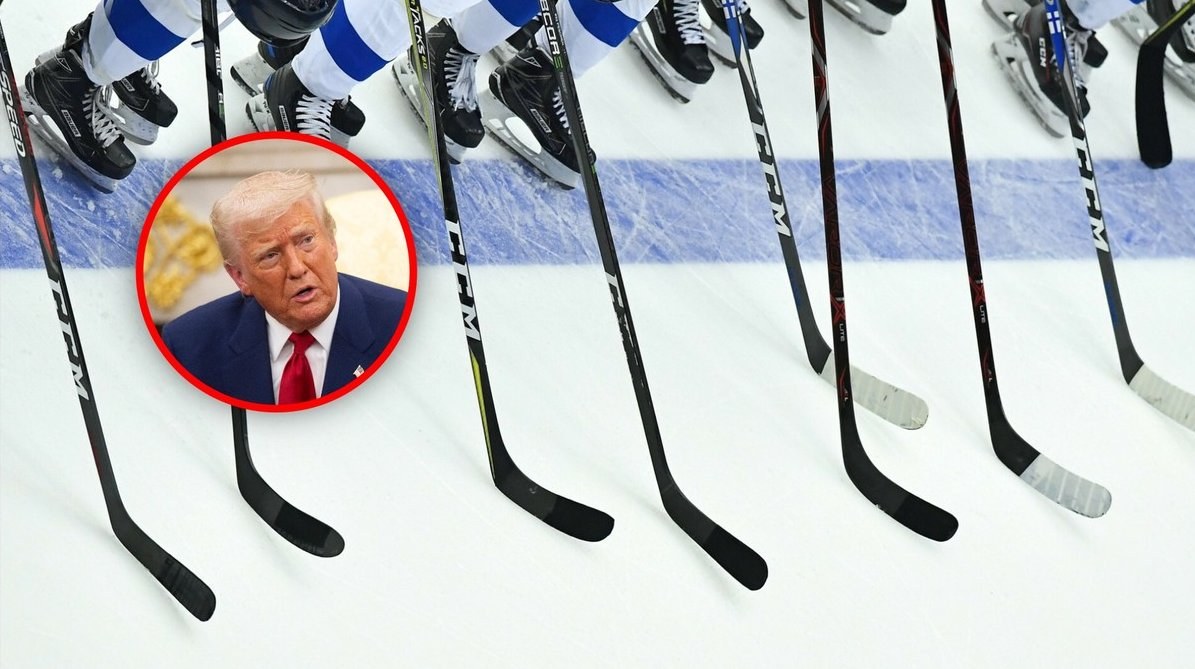
Donald Trump has announced the imposition of 50% tariffs on a range of Canadian products, including hockey equipment. While the intention was to target a symbol of Canada, the practical consequences of this decision may be minimal due to the decline of traditional hockey stick manufacturing in the country.
Included in the list of products facing tariffs is ice hockey equipment, particularly sticks. The Trump administration claims that Canada has implemented barriers limiting American products’ access to its market.
The decision has garnered significant attention, particularly because hockey is Canada’s most popular sport and almost a national tradition. However, according to Reuters, the impact of the administration’s move may be less severe than expected. Only one major factory remains in Canada producing wooden hockey sticks—Roustan Hockey in Ontario.
This company produces approximately 400,000 wooden sticks annually, with about 100,000 sold in the United States. By contrast, the hockey market has largely transitioned to modern composite sticks, which are lighter, more durable, and allow for stronger shots.
Most professionals and younger players no longer use traditional wooden models, making the production of classic sticks a niche segment.
Sales do continue, but mostly among amateur leagues and recreational players.
Major Brands Produce Outside Canada
Ironically, many of the most well-known hockey brands no longer manufacture most of their equipment in Canada. Modern composite sticks are primarily produced within global supply chains, with significant contributions from factories in Asia, according to Reuters.
As a result, the tariffs aimed at Canadian sticks may predominantly affect smaller producers of traditional models rather than impacting the larger segment of the global hockey market.
Another Chapter in the Trade War
The tariffs on hockey sticks are part of a broader package that also targets other Canadian goods, including alcohol, cement, and various industrial products. The U.S. administration asserts that these measures are designed to protect American companies and compel Canada to change its trade policies.
However, critics argue that such measures could actually raise prices for American consumers and negatively affect businesses that rely on imported products.
This could further burden American households. According to the non-profit Tax Foundation, tariffs imposed by Trump are projected to cost American households an average of $1,000 by 2025.
In the case of hockey sticks, the situation is particularly unusual—Trump has attacked a Canadian symbol, yet has targeted a market that has already altered its dynamics.