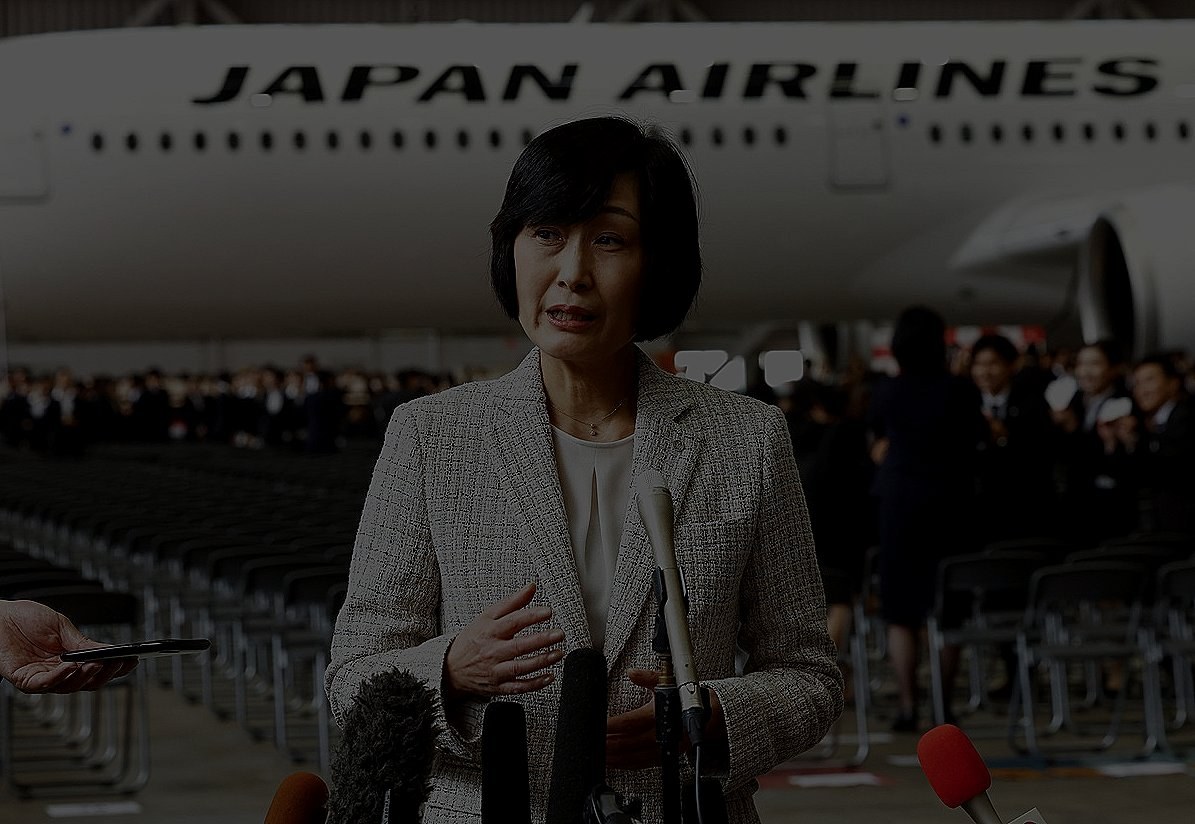
Japan Airlines has announced that its CEO, Mitsuko Tottori, will temporarily reduce her salary by 30% due to a serious incident involving two cabin crew members. The airline characterized this event as an “extremely serious management failure.” This decision reflects a broader cultural practice in Japan, where senior executives may face financial penalties for the actions of lower-level employees.
The incident that prompted this response involved two flight attendants consuming alcohol a day before a domestic flight, violating company policy, which prohibits alcohol consumption after a designated hour prior to scheduled flights. As a result of their actions, one crew member was dismissed, while the other was suspended.
In addition to Tottori’s salary cut, two executives responsible for safety and flight operations will see a 20% reduction in their pay for one month, while other directors will have their salaries decreased by 10% for the same duration. Japan Airlines has not disclosed the exact salary figures for its management team.
According to a spokesperson for Japan Airlines, the salary cuts are intended to demonstrate accountability for the misconduct. This practice of penalizing higher management for employees’ misdeeds is not uncommon in Japanese corporate culture. Curtis Milhaupt, a law professor at Stanford University and an expert on Japanese legal systems, explained that in some situations, top executives may even be expected to resign.
Similar occurrences have been noted in Japan in recent years. For instance, in December 2024, Kentaro Okuda, CEO of Nomura Holdings, accepted a three-month pay cut after a former employee faced serious criminal charges including attempted murder. Likewise, leadership at MUFG Bank consented to a three-month salary reduction following an incident involving an employee accused of stealing $9 million in valuables from client safe deposit boxes.
While these financial sanctions are prevalent in Japan, Milhaupt believes that they primarily serve a symbolic purpose and do not reliably prevent corporate misconduct.