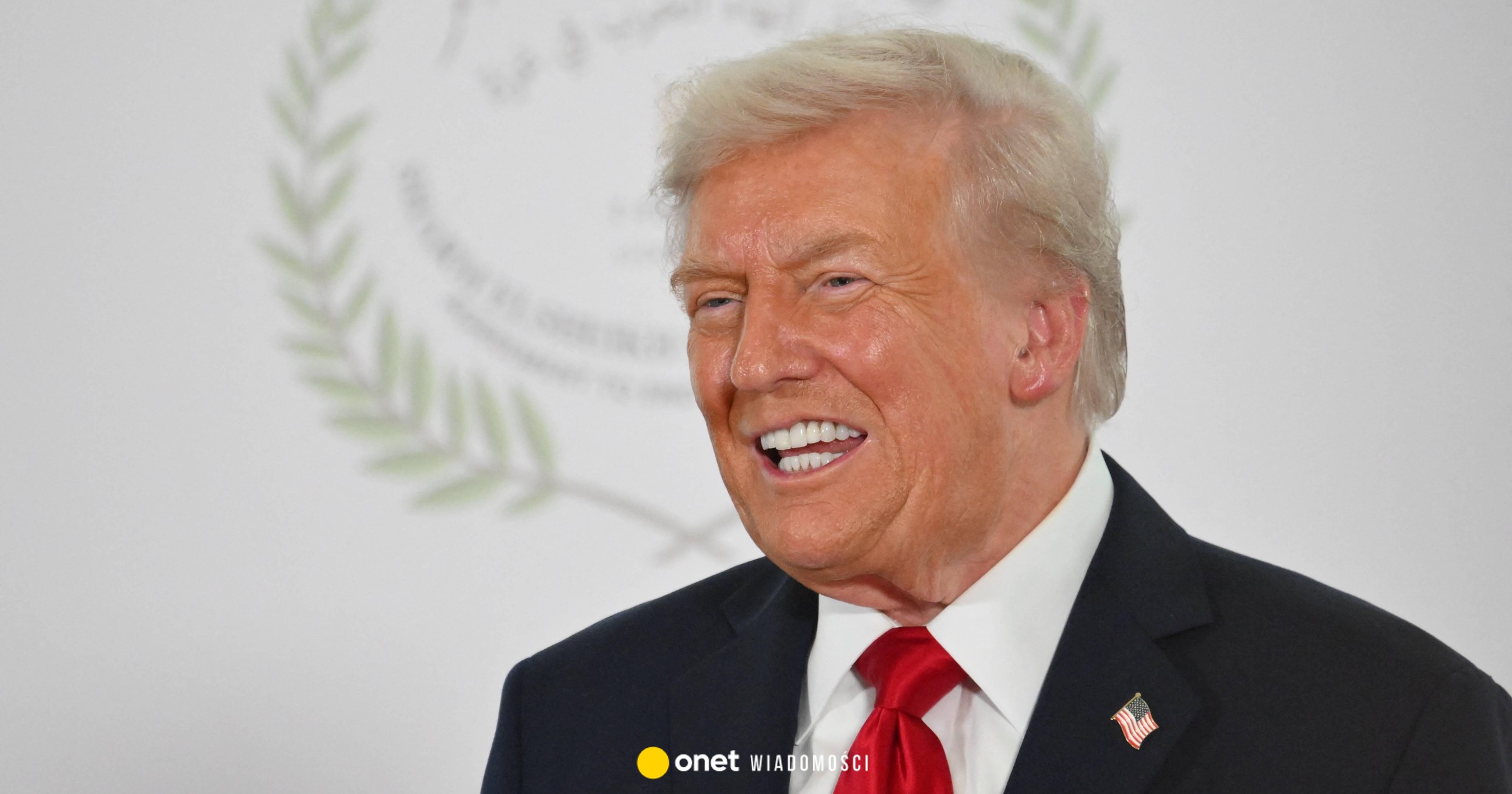
Trump's team weakens American diplomacy. Where does he get information about Russia?

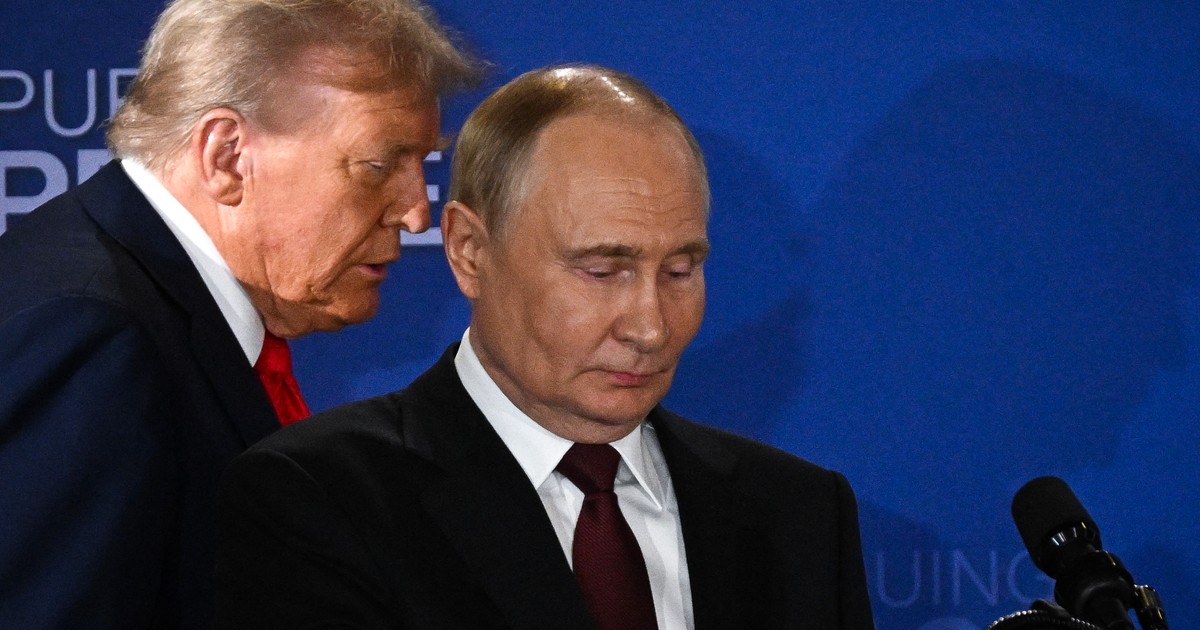
The American tradition of Bad Russia research has deep roots. A unique school of Sovietology was created during the Cold War in the United States. In the 1990s, her role in practical policy fell slightly, transforming into a wider field of “post -Soviet studies”. But Sovietists still played an important role, taking very high positions governmental During the time of Bill Clinton, George W. Bush, Barack Obama and Joe Biden.
Meanwhile, Donald Trump's actions towards Russia have not been part of any coherent logic since his return to the White House. Perhaps some of these steps are an ordinary coincidence, but there are too many to ignore a certain pattern. It is possible that this policy reflects Trump's isolationist approach to foreign policy. It can also be seen as an attempt to position the US as an independent mediator in the Russian-Ukrainian conflict, distancing itself from its allies and demonstrating its special status of “arbitrator”. However, there are serious contradictions in each case.
Already at the campaign stage, Trump mentioned people who intended to appoint for key positions in foreign policy, and many of them were politicians about the reputation of hawks towards Moscow. First of all, they were Marco Rubio and Mike Waltz. As congressmen, both of them spoke hard and sharply about Russia.
Waltz has been removed from the position of national security advisor after the Signalgate scandal and is currently preparing to take the position of a permanent US representative at the UN. His nomination has already been approved by the Senate Special Commission, and soon the vote with the full composition of the Senate is expected
On the one hand, Trump does not perceive the UN as a promising platform to realize the national interests of the USA: on the contrary, consistently shows skepticism towards international structures and withdrew the country from a number of organizations operating under the auspices of the UN.
On the other hand, the unique institutional connection deserves attention: for the first time since the time of Henry Kissinger one person combines the position of the Secretary of State and the Presidential Advisor to National Security. Today, Marco Rubio is responsible for shaping foreign policy, formulating strategic priorities and their implementation. This indicates the unprecedented high level of Trump's trust in him in matters of international policy and national security.
During the campaign, Donald Trump also mentioned his national political allies, which he planned to appoint as ambassador positions, but Among them there was no candidate for the position of ambassador in Russia. Instead, the president was to appoint special representatives of Keith Kellogg and Steve Witkoff, his closest collaborators.
Unlike ambassadors, special representatives do not go through the complicated and long process of approval by the Congress, but They are appointed by the usual executive regulation. This allows Trump to bypass traditional supervision mechanisms, strengthen his personal decision -making division and formulate his own priorities.
Slimmed diplomacy helpless towards Russia
In the meantime, the State Department underwent unprecedented cuts of both staff and funds. They even hit those departments that dealt with Russia. Whole structures were resolved, such as the Center for the Analysis of the Russian disinformation created under the direction of Antony Blinken Democrat.
It could be assumed that the new administration simply tries to get rid of the personnel appointed by Biden, considering them politically biased to replace them with their “own” people, but not: Key positions remain unhappy, and knowledge about Russia practically disappears. It gets the impression that the staff purge is demonstrative, and building complete diplomatic relations with Moscow is not in the administration agenda.
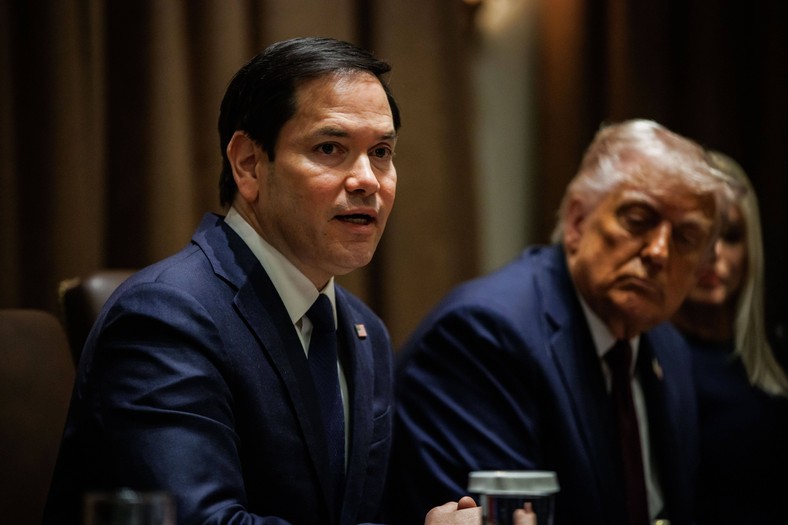
US Secretary of State Marco Rubio during a meeting with US President Donald Trump and members of his office at the White House in Washington, USA, 24 March 2025
This is indicated by the fact that so far there is no one leak about the candidate for the position of ambassador in Russia. This means that the official interaction channels with Moscow are practically functioning bypassing the Congress and with the minimum involvement of the State Department.
What's more, only during the last visit to Moscow, which took place after the departure of the previous Ambassador Lynne Tracy, A special representative of Steve Witkoff visited the US embassy for the first time. This episode emphasizes the break with traditional diplomatic practice; Earlier, Witkoff did not even know who would be his translator to meet Vladimir Putin.
The purges affected not only employees related to the administration of Democrats, but Also people who worked with Trump himself during his first term. For example, at the end of August, the FBI searched the house of John Bolton, a former national security advisor. He is accused of improper handling of classified documents, including sending materials closed with channels to members of his family. Ironically, Trump was made similar to similar allegations.
Similar measures affected the intelligence community: Ashley Pierson, which was responsible for counteracting interference in elections in 2020 in the first Trump administration, She was released with a group of colleagues.
“Russia's Friend” supervises American intelligence
Tulsi Gabbard's actions were real a blow to the Russian expertise in the foreign policy machine. Already during the election campaign, the prospect of her nomination for the position of domestic intelligence director caused serious consternation. After leaving the Congress, without access to official intelligence data, Gabbard has repeatedly made public statements that coincided with the key narratives of Russian propaganda.
The appointment of her as the head of the intelligence community was perceived by many observers not as a strengthening of analytical skills, but as Signal of the beginning of the politicization of a large -scale interview and systemic displacement of professional Russian specialists.
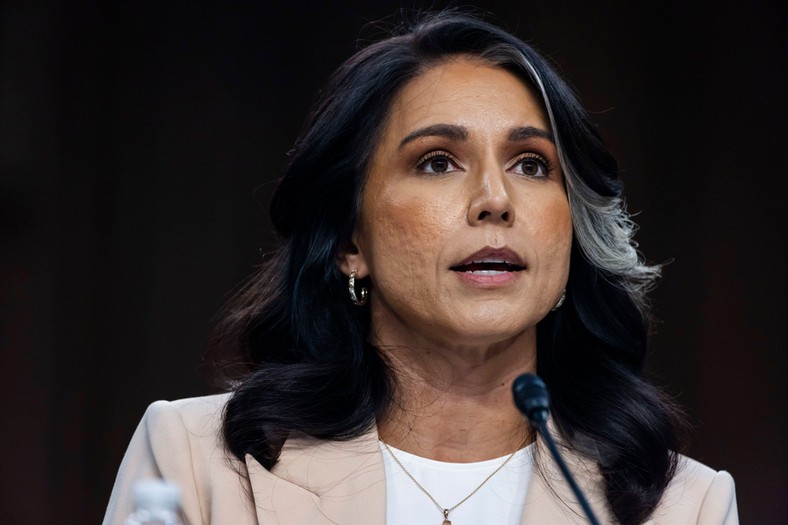
Tulsi Gabbard, Director of the National Intelligence. Washington, USA, March 25, 2025.
In mid -August, Tulsi Gabbard received access to intelligence data from several high -ranking CIA employees and other intelligence agencies, including experts for Russia. Such a decision is actually tantamount to the exemption: A person without such a permit cannot even turn on a business computer. What's more, the American press reported that the day after the summit in Alaska, on the initiative of Tulsi Gabbard, CIA director John Ratcliffe dismissed the high -ranking employee, although he had previously decided to send him on a business trip to Europe.
Gabbard was the official explanation of “Reconstruction of intelligence”. However, given that most of the suspended specialists were appointed during Biden's administration, This move looks more like a political purge – Demonstrative elimination of professionals whose knowledge could be contrary to the new White House line.
No more politicization? Or maybe its peak?
The politicization of intelligence is a problem since the beginning of the 21st century after the terrorist attacks of September 11 The administration of George W. Bush gave the intelligence services unprecedented broad rightsestablished new structures and conducted a thorough reform of the national security system. The intelligence community became noticeably more active in the political process, and the statements of its leaders and analysts were increasingly seen as politically motivated.
One of the most expressive episodes, which is remembered to this day, was the speech of the Secretary of State Colin Powell before the UN Security Council in 2003: Citing intelligence data, he argued that it was urgent to deprive Saddam Hussean of the ability to produce weapons of mass destruction. Later it turned out that This information was inaccurate, and the matter itself became a symbol of how an interview can become a political tool.
In this context, Tulsi Gabbard's decision to stop providing information about negotiations between Russia and Ukraine even the closest US allies in the intelligence alliance of five eyes, Great Britain, Australia, New Zealand and Canada, looks particularly strange. There are reasonable fears that such a line of conduct may Seriously weaken the mediation potential of the United States in resolving the Russian-Ukrainian conflict. It is highly likely that Washington will take the role of an observer in a peaceful process to monitor the implementation of any security guarantees.
However, this function requires special qualifications. US representatives – diplomats, military specialists from the Pentagon or intelligence officers – They must remain politically neutral and have professional experience in dealing with Russian issues. Without such knowledge, supervision and monitoring cannot ensure the trust of the parties.