Chess at PNL using the “Carol II” method. Political scientist Cristian Pîrvulescu, the disturbing historical parallel: “He tried to take control of the PNL”

The nomination by Nicușor Dan of the liberal Adrian Veștea for the position of prime minister produces a resettlement of the political scene and transfers the tensions from the governmental area directly inside the National Liberal Party, believes the political scientist Cristian Pîrvulescu.
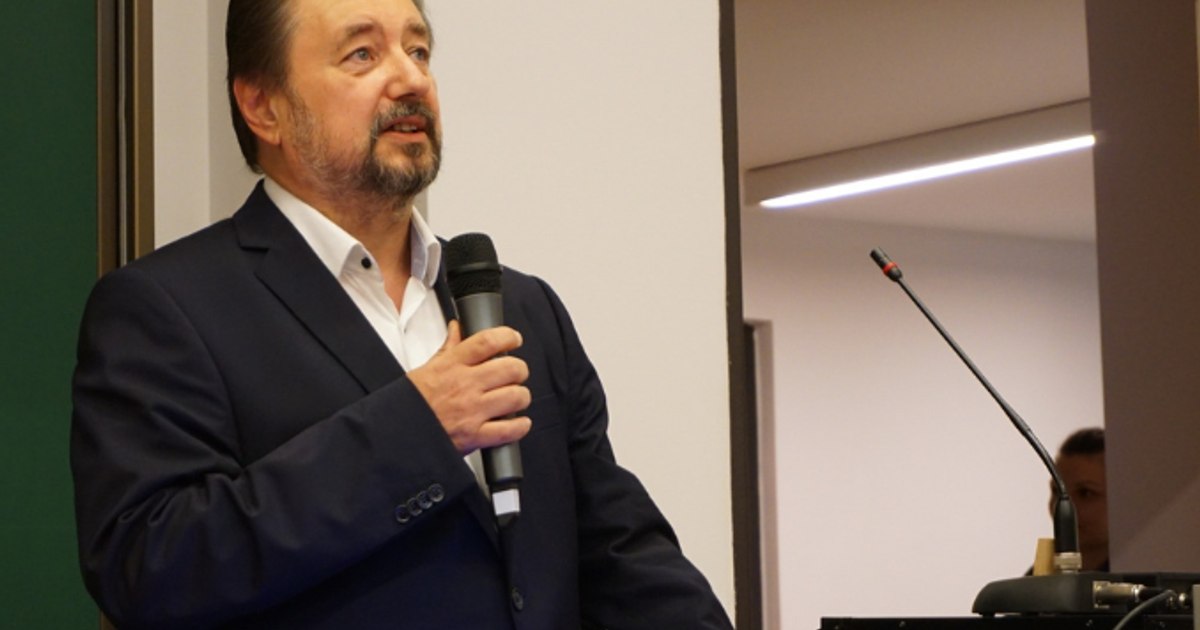
Cristian Pîrvulescu PHOTO SNSPA
In an interview granted to News.ro, the analyst explains that the change comes at a carefully calculated moment and represents more than a simple candidate replacement.
A strategically chosen moment
According to Pîrvulescu, the withdrawal of Eugen Tomac right before a decisive vote is not accidental, but is part of a strategy aimed at limiting the political costs for the president.
“It was already obvious from the end of the week that the support for a Tomac government is low. It had the image of a PSD puppet government, so there was an enormous risk for the president”explains the political scientist.
In this context, the appointment of Veștea appears as a solution for political repositioning and getting out of a deadlock.
The crisis moves to the PNL
The most important consequence of this decision is, in the analyst's opinion, the transfer of the political conflict within the liberals.
“The president chose this formula that moves the entire confrontation inside the PNL“, states Pîrvulescu.
The political scientist also makes a historical parallel, comparing the current situation with a tense period in the history of the party:
“I found in the history of the PNL as well [situaţie] in January 1934, when King Carol II tried to take control of the PNL and install liberal ministers according to his will”.
The stakes: who reacts first
The analyst points out that the evolution of the situation depends on the speed of reaction of the PNL camps. If the supporters of the new formula do not act quickly, the current management could block the ascension of Adrian Veștea.
“If they don't move quickly, then Ilie Bolojan and Moşneanu will have the opportunity to organize the defense, organize the congress and eliminate Mr. Vestea”, warns Pîrvulescu.
The decisive votes, in the area “floating”
Regarding the chances of being invested in Parliament, the analyst points to the crucial role of undecided or clearly unaffiliated MPs.
“If the UDMR votes and the minorities vote, the number of floating votes is sufficient to ensure support“, he says.
Pîrvulescu estimates that there are approx “50 (parliamentarians) who are no longer in the regiment and who can offer their vote… who voted for the motion tozura”, being able to decisively tilt the balance.
Pressure in parties and political deadlocks: “PSD is mute, it is surprised, it is laminated”
The analyst also emphasizes the difficulties of the other political formations. In the case of USR, the decision is complicated by the previously assumed position.
According to him, the party has “a principle that he voted for and that he will not be able to abandon, that of not supporting the PSD in government”, which could generate internal tensions.
In parallel, PSD's reaction was delayed and marked by uncertainty.
Pîrvulescu describes the situation of the social democrats in harsh terms: “PSD is dumb, it's surprised, it's laminated.”