The massive network of biological laboratories, including in Ukraine, revealed by the head of the US intelligence services

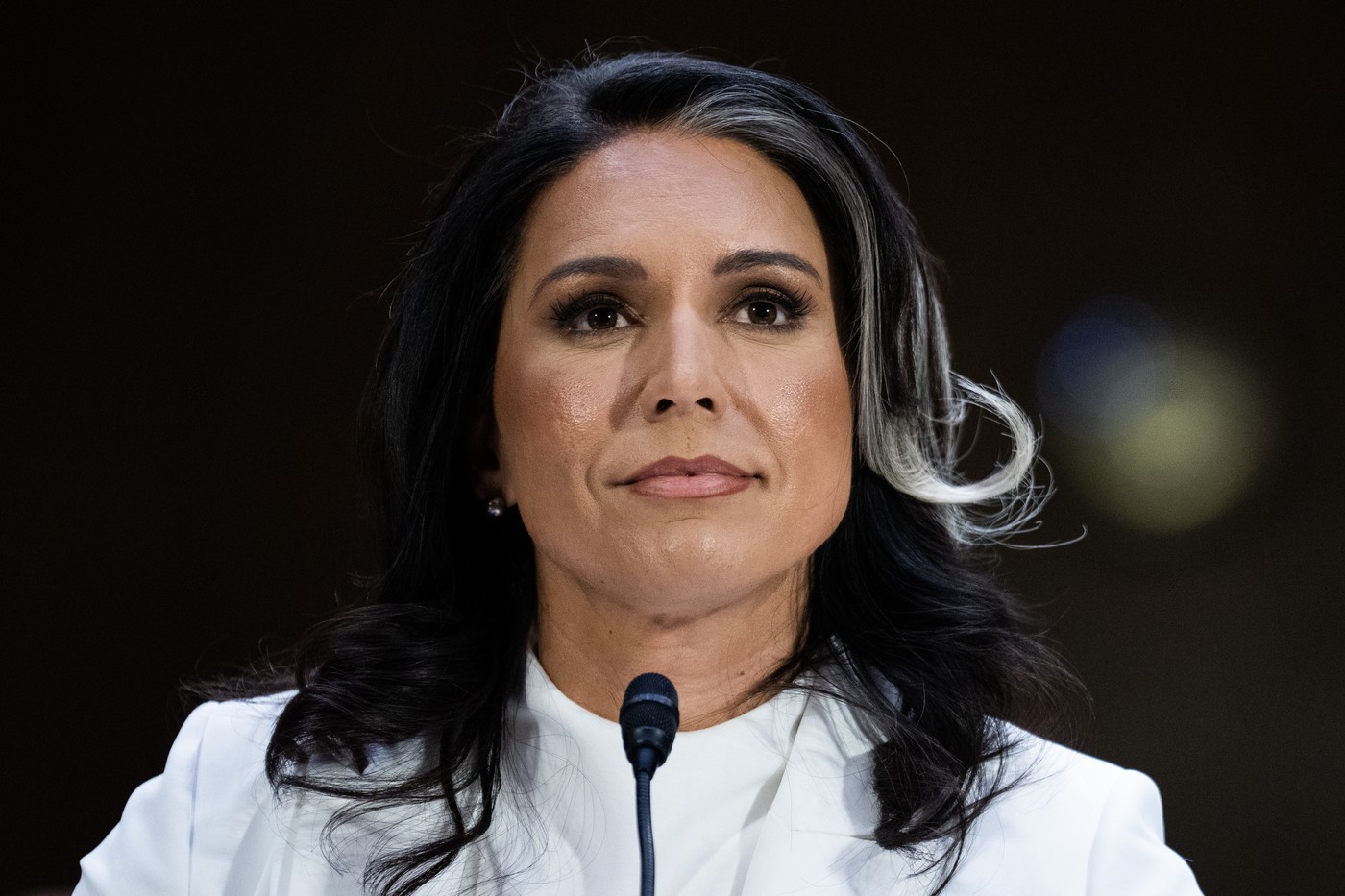
In a surprise move, US National Intelligence Service (NIS) Director Tulsi Gabbard has released evidence that her office says demonstrates the US government's “prolonged” funding of a vast network of 120 biological laboratories in more than 30 countries where research is conducted on biological pathogens, some of which are dangerous, according to Radio Free Europe/Radio Liberty.
That network includes “laboratories in Ukraine, which could be at risk of compromise due to the ongoing war between Russia and Ukraine,” the DNI office said in a statement released Friday.
“For example, the intelligence community has previously warned that a US-funded biological laboratory in Ukraine likely harbored dangerous pathogens and remained vulnerable to long-term threats of attack, seizure or destruction by Russia,” it added.
Tulsi Gabbard's unusual move came just days before her departure from office as head of an intergovernmental office set up to coordinate intelligence sharing within America's burgeoning intelligence community.
“Despite the potentially catastrophic global impact that research into dangerous pathogens in biological laboratories can have, politicians, so-called health experts like Dr. Fauci and entities within the Biden administration's national security team have lied to the American people about the existence of US-funded and supported biological laboratories and intimidated those who have tried to bring the truth to light. Office of the Director of National Intelligence (ODNI) will continue to work closely with partners across the government to identify where these laboratories are located, what pathogens they contain, and to put an end to dangerous gain-of-function research that threatens the health and well-being of the American people and people around the world,” said DNI director Tulsi Gabbard, quoted by News.ro.
For years, under a program called “Cooperative Threat Reduction,” the US government has funded efforts to protect Cold War-era research programs that developed biological and chemical warfare technologies.
Some of the remaining facilities were located in Kiev, Tbilisi and elsewhere in the former Soviet Union.
The Trump administration has been reviewing files on Washington-funded biological labs for months after it banned all federal funding for such research that involves modifying organisms to improve their biological functions (gain-of-function) in countries such as China, where it believes there is no adequate oversight.
Departments of the US government, such as the Department of Defense, have long funded laboratories abroad that conduct disease research.
As Russia's relations with the West have deteriorated, Moscow has increasingly accused the US of funding “biological laboratories” designed to develop potential biological weapons. Washington is a signatory to the 1975 Biological Weapons Convention.
These allegations have fueled conspiracy theories over the years, which the US government has repeatedly tried to debunk.
In 2023, a year after Russia's invasion of Ukraine, the US State Department accused Moscow of “increasing the volume and intensity of its disinformation about biological weapons in a failed attempt to distract from its invasion of Ukraine, diminish international support for Ukraine, and justify its unjustified war.”
Since returning to the White House in 2025, President Donald Trump's administration has taken a tougher approach to the problem of biological pathogens.
The Trump administration has said that many of the biological laboratories funded by Washington have conducted research using “dangerous and highly contagious pathogens” and that such actions cannot be left “unfettered”.
In May 2025, US President Donald Trump signed an executive order to end federal funding for research into modifying organisms to improve their biological functions.