Sites fighting to be removed from UNESCO World Heritage. The example from the Carpathian Mountains

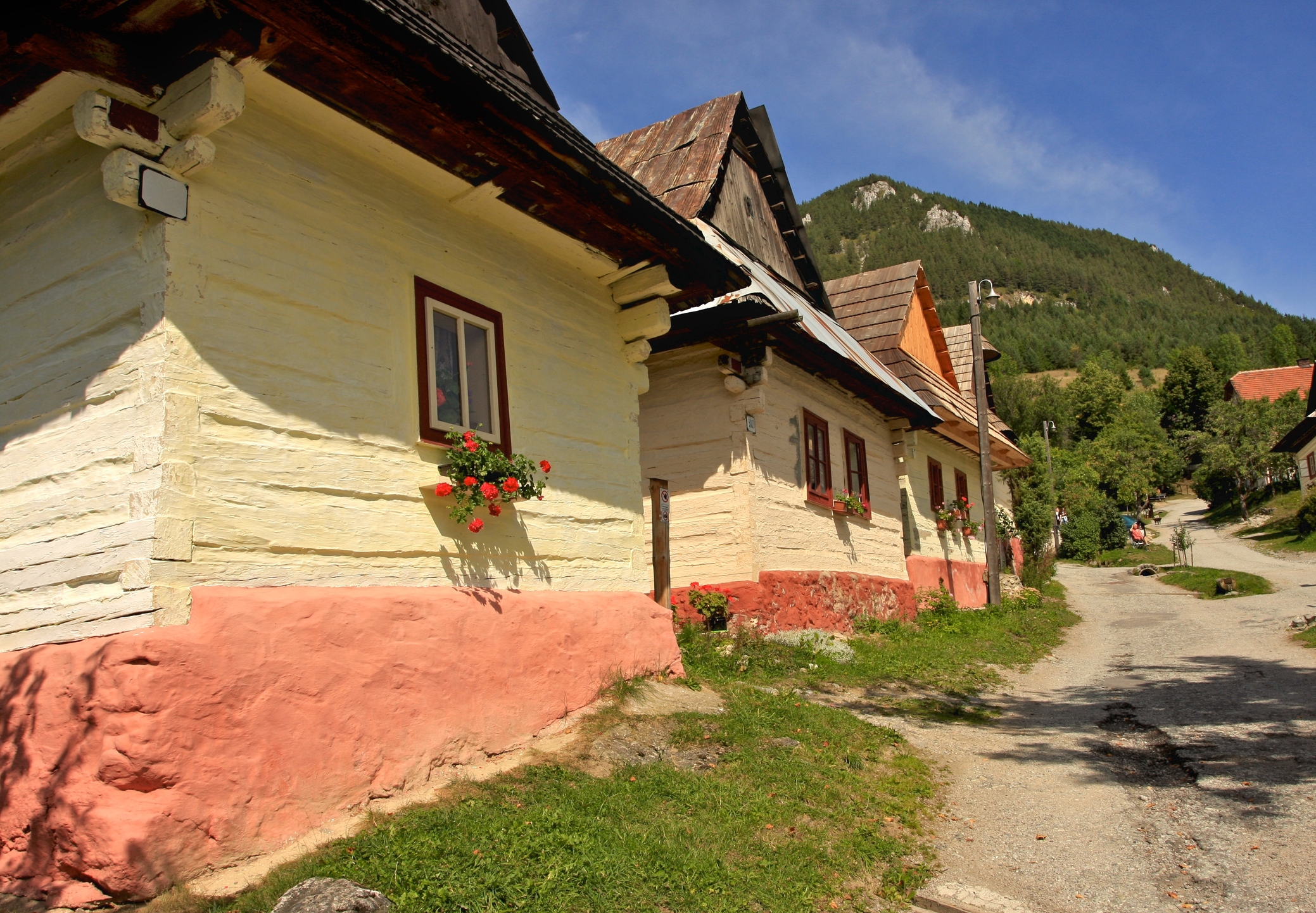
Several places recognized as world heritage have come to regret this status, as this recognition has rather brought them problems. The main ones are related to too many tourists. It is also the example of a Slovak village in the Carpathian Mountains, where the annual number of tourists is 5,000 times higher than the number of residents.
The ever-expanding World Heritage List is managed by UNESCO, an international committee of the United Nations that identifies and protects places it considers to be of “exceptional cultural or natural importance to humanity”.
It currently includes 1,248 sites from 170 countries, and some of these sites are asking to be removed from this list, writes the BBC.
Among the most famous sites on the list made by the international committee of the United Nations Organization are the Great Wall of China and Machu Picchu, but also lesser-known places, such as the wooden churches of Maramureș in Romania and the old Moroccan oasis settlements of Ait-Ben-Haddou, notes the cited source.
Even though the UNESCO World Heritage Site status is considered one of the most prestigious international recognitions, it is now strongly contested by some communities who charge that the success of tourism in the area has come with negative effects.
The village with 20 inhabitants and 100,000 tourists annually
In the Slovak village of Vlkolínec, located in the Carpathian Mountains, tourism has ended up disturbing the peace of the 20 inhabitants. The village was included in the UNESCO list in 1993, and now more than 100,000 tourists visit the locality annually. That is, 5,000 times more people than residents come to the village.
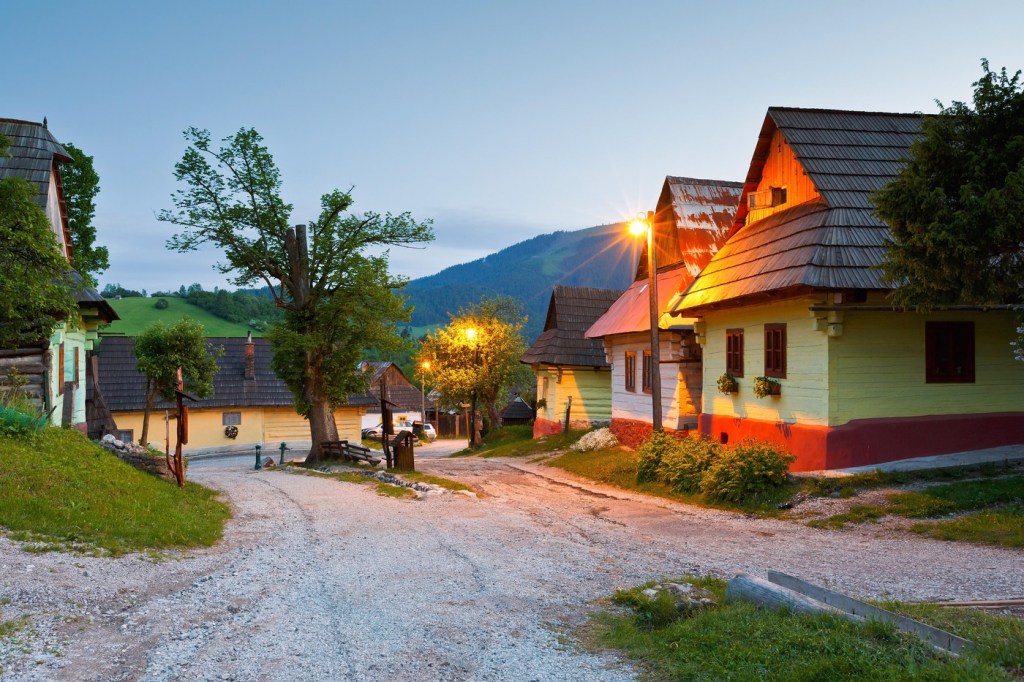
So some of those who actually live in Vlkolínec have come to demand the withdrawal of the state acquired thanks to the fairy-tale houses, painted in vivid colors, grouped around an 18th-century bell tower, writes the BBC.
Anger and 7,000 km away
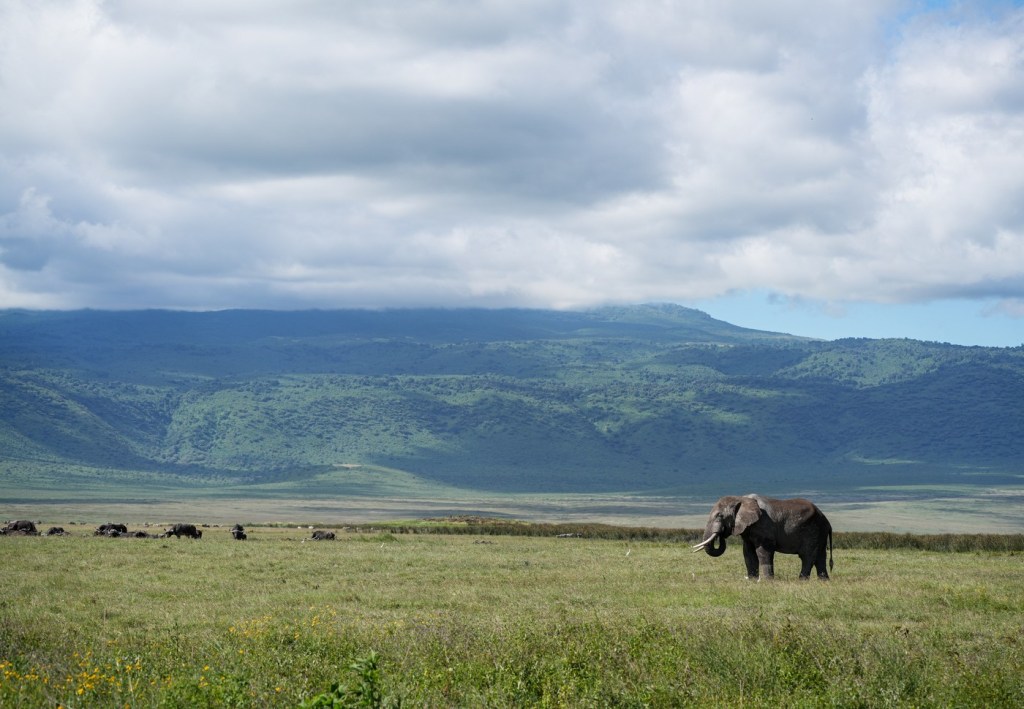
Similar grievances exist in Tanzania, in the wildlife-rich Ngorongoro Conservation Area, where representatives of the Maasai community claim that conservation policies associated with UNESCO status have limited local people's access to traditional grazing lands.
Specialists say that inclusion on the UNESCO list almost always brings an increase in the number of tourists, a phenomenon amplified in recent years by social networks.
Greg Richards, a researcher specializing in cultural tourism and overtourism, compared UNESCO listing to star ratings in tourist guides, which direct tourists to “must-see” places.
Historically, UNESCO's conservation efforts have focused mainly on protecting physical structures: monuments, archaeological sites and buildings of architectural significance.
But many modern heritage destinations now overlap with communities where residents still live and work.
Similar problems in different areas
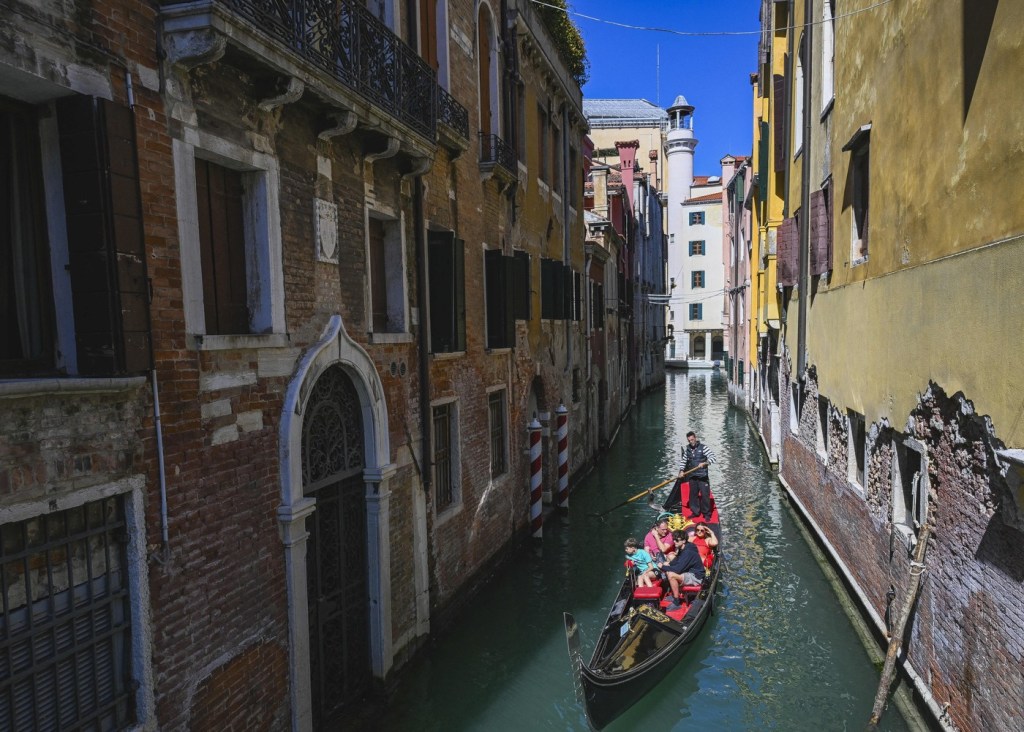
In some destinations, such as Venice, a city that became a UNESCO World Heritage Site in 1987, over-tourism has contributed to the departure of residents and the transformation of communities into mainly tourist-oriented spaces.
In Lijiang, China, a city known for its historic center and indigenous Naxi culture, tourism boomed after designation in 1997, turning parts of the center into neighborhoods filled with guesthouses and souvenir shops that some researchers and residents say have diluted local life.
In Marrakesh, Morocco, increased tourism and foreign investment in the UNESCO-listed medina has sparked debate about rising housing prices.
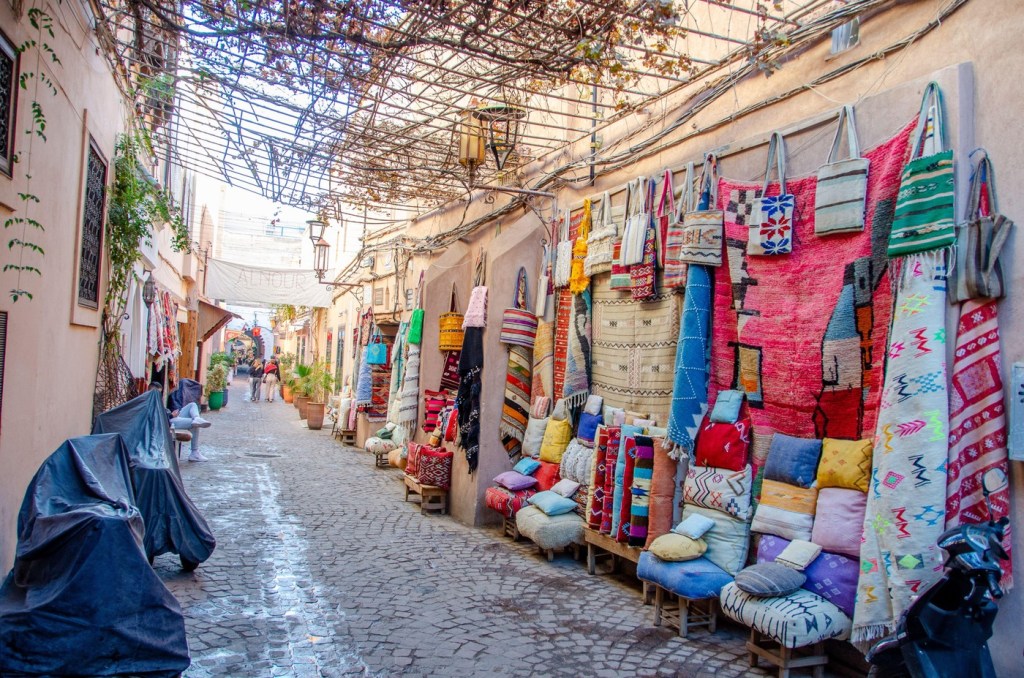
Scholars sometimes describe this process as “museification”: the gradual transformation of living communities into places increasingly oriented toward tourists rather than residents.
Although many historic communities were already experiencing housing crisis and economic change long before UNESCO recognition, in some cases – such as Venice – tourism only accelerates existing trends.
Tension due to heritage conservation
The debate becomes even more complex as conceptions of authenticity and preservation evolve.
“This is one of the great debates in heritage conservation,” Richards said. “Authenticity is a very dangerous word because it can be interpreted in all kinds of different ways.”
He explains that what one group sees as authentic preservation, another might consider artificial reconstruction.
Upgrading UNESCO sites is not prohibited, but development work is expected to preserve what the organization calls a site's “outstanding universal value” — the defining qualities that earned it the designation in the first place.
In practice, this can create tensions between heritage conservation and contemporary needs, particularly in communities that still need upgraded housing and infrastructure.
“Tourism has changed radically”
UNESCO has recognized that tourist pressure has increased significantly and is increasingly calling for plans to manage tourist flows.
“We certainly recognize that tourism has changed dramatically in the last 10-15 years,” said Peter DeBrine, a specialist in sustainable tourism at UNESCO.
However, the organization admitted that it does not have clear mechanisms for situations where residents believe that tourism or conservation measures are affecting their quality of life.
Despite calls by Vlkolínec and the Ngorongoro Maasai community advocacy group for their World Heritage status to be reassessed, none of the sites are expected to be discussed by the World Heritage Committee at its upcoming session.
How many sites were removed from the UNESCO list
To date, UNESCO has withdrawn World Heritage status only three times, exclusively for conservation reasons.
Specialists believe that delisting requests made by local communities have little chance of success, and the solution would be to find a balance between protecting heritage and the interests of people living in these places.
In 2007, the Arabian Oryx Reserve became the first site to be removed, after Oman drastically reduced the area of the protected area in the context of oil exploration plans.
In 2009, the Elbe Valley in Dresden, Germany lost its status following the construction of a bridge, which UNESCO claimed had fundamentally altered the landscape. And in 2021, Liverpool was removed from the list following disputes over waterfront redevelopment.
Interestingly, the loss of UNESCO recognition has not always resulted in dramatic declines in tourism. Liverpool continued to attract visitors for its music, sport and cultural identity, while Dresden also remained an important tourist destination after delisting.
Photo source: Dreamstime.com