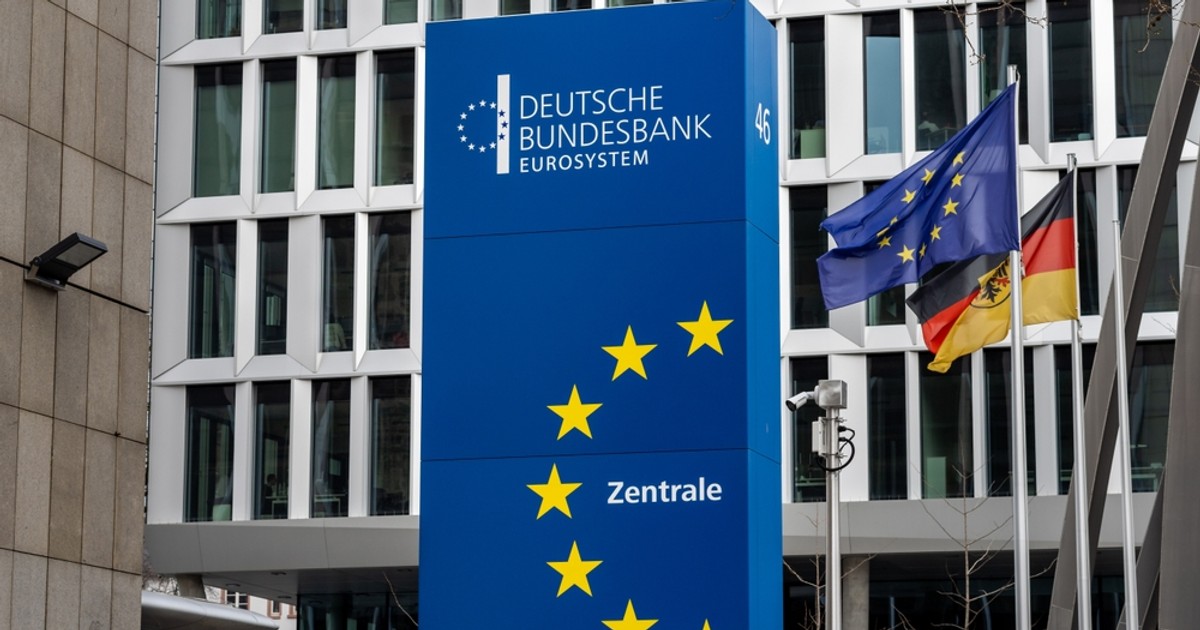
A sharp increase in energy prices weakens the purchasing power and consumer spending of households, admits Joachim Nagel, president of the German central bank, commenting on the latest forecasts for the economy of our western neighbor.
“In addition to expensive energy, companies are also struggling with growing supply problems and weaker demand. The high level of uncertainty and higher interest rates will also inhibit private investment,” he said, quoted in the Bundesbank press release.
Germany's GDP in the new Bundesbank forecast
On Friday, the Bundesbank lowered Germany's economic growth forecast for 2026 to 0.5%. due to the conflict in the Middle East. Previously, the December forecast was in force, according to which GDP growth was expected to be 0.6%.
“The war in the Middle East is weighing on the German economy and will initially slow down the economic recovery that began in the winter half-year. Nevertheless, the president of the Bundesbank is convinced that economic activity will pick up again over the forecast horizon of 2028. Future economic recovery is expected to be supported by falling energy prices, a strengthening global economy and, above all, strong incentives from the government's fiscal policy.
See also: Germany will miss an important deadline. “Does not fit the current situation”
In 2027, Germany's GDP growth is expected to accelerate to 0.8 percent, and in 2028 – to 1.4 percent.
However, the President of the Bundesbank admits that structural barriers, such as demographic pressure on the supply of skilled workers and non-wage labor costs, will continue to exist and dampen potential growth.
Inflation in Germany in the new Bundesbank forecast
As the economy weakened, the risk of inflation increased due to the war in the Middle East.
“The energy price shock is driving inflation,” said Joachim Nagel. According to the new forecast the HICP inflation rate will increase to 2.9% this year. and will drop only slightly to 2.7%. in 2027
The Bundesbank estimates that only in 2028 will inflation drop significantly to 1.9%. Despite this, core inflation in 2028 may still be relatively high (2.3%).
See also: Demand for German goods is falling. This may affect Polish companies
“To sum up, our new forecast is characterized by particularly high uncertainty given the geopolitical situation,” noted Bundesbank President Nagel. “The budget deficit and public debt ratios will increase significantly. Additional defense spending and non-military investments are not the only reasons. Other factors include various types of tax breaks and transfers. Overall, the budget deficit ratio will reach 4.9 percent. in 2028, and the debt ratio will increase to almost 70%.“.