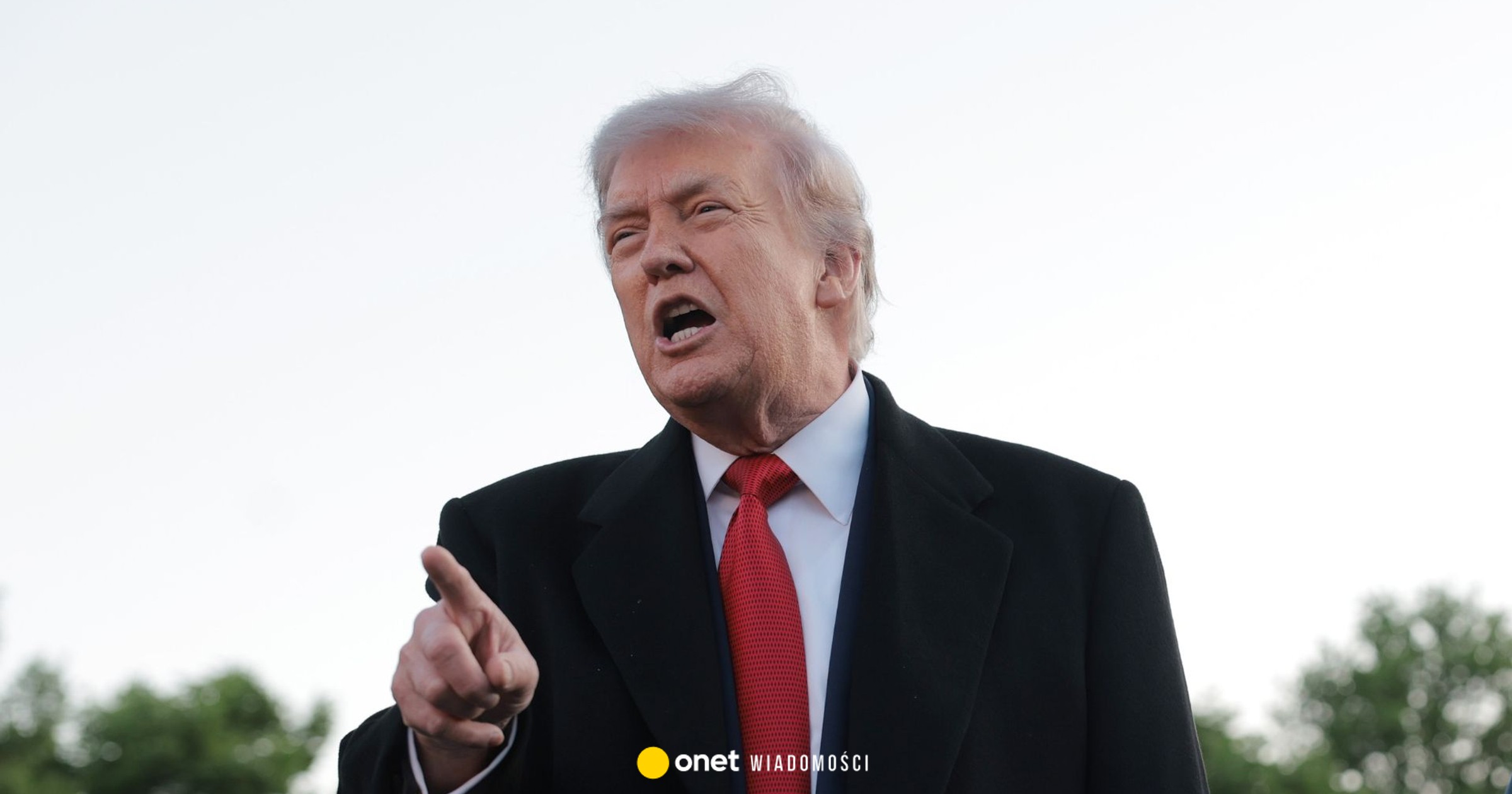
The US president is losing the political fight over everyday issues. Once upon a time, demands for lowering the cost of living were his flagship topic, in which he felt like a fish out of water. Meanwhile, due to the politically unpopular war with Iran, inflation rose to the highest level in three years. Few economists expect gasoline prices to approach pre-war levels anytime soon.
Food and utility bills keep rising. Wall Street expects the Federal Reserve to raise interest rates. Meanwhile, Trump administration officials keep changing the date by which a peace deal could unblock global supply chains through the Strait of Hormuz.
All this increases the cost of living for Americans. For a president who returned to power with promises to restore economic optimism, the outlook looks bleak. And with the midterm elections approaching — and Americans preparing summer travel plans that will be directly impacted by rising fuel costs — Trump is running out of time to change course.
“It doesn't matter whether it's peak inflation or not,” one former Trump administration official, who was granted anonymity to discuss the president's difficult political situation, told POLITICO. “The fate has already been sealed in terms of how people view the economy.” For Trump, this means a worst-case scenario.
In a statement, White House spokesman Kush Desai said: “President Trump has repeatedly emphasized that oil and gas prices — and therefore overall inflation — will decline sharply once Iran's nuclear dreams are dashed and the free flow of energy through the Strait of Hormuz is restored.”
The article continues below the video
The administration has pointed to actions that have led to lower drug prices and taxes, but it has few tools to lower gasoline prices. The president has already released strategic reserves, and Treasury Secretary Scott Bessent has eased sanctions on oil sales from Iran and Russia. However, plans to abolish the gasoline tax were never implemented, and the bombing of Iran did not lead to the reopening of the strait. When asked about oil and gas prices, Trump repeatedly said he thought it could be worse.
Trump's allies are urging the White House to focus on convincing the public that the president's policies will benefit consumers in the long run and the economy will become more stable after the war ends. Trump says he is willing to incur short-term economic costs — and endure market turmoil — to achieve his goals on Iran. However, these efforts do not convince voters.
“Inflation is the most insidious thing,” Sen. Dave McCormick, a Republican from Pennsylvania, told POLITICO on Wednesday, adding that he has conveyed to voters that the economy is headed in the right direction in terms of the labor market and that the president's goals in the Middle East are important. — But I know you feel it. I know you feel it on housing, I know you feel it on energy prices, and I know you feel it on health care. Anyone who doesn't feel that has no idea what's going on in working communities, he said.
“I love inflation”
Hours after the Department of Labor announced that inflation had exceeded 4%. for the first time since early 2023, Trump told reporters: “I like it, the numbers are great,” adding that oil prices had not risen as much as he expected when he ordered attacks on Iran in late February.
“I love inflation,” he said. “You know why? Because as soon as this war is over, … it will fall like a stone.”
Jarrod Agen, executive director of the White House National Council on Energy Dominance [organ powołany, aby doradzać Prezydentowi, jak najlepiej wykorzystać jego uprawnienia do produkcji większej ilości energii]said the president is “not panicking” when it comes to lowering prices. And Peter Navarro, one of the president's longest-serving advisers and senior trade policy adviser, published an op-ed on Wednesday noting that the recent surge in consumer prices looks much milder apart from the sharp rise in energy costs and that “the underlying inflation trend remains under control.”
But even here, overall inflation is “certainly a weak spot for Republicans going into the fall, and they need to be able to convince others that they have a plan to bring it down,” Stephen Moore, a former economist at the conservative Heritage Foundation think tank who served as an unofficial adviser to Trump for years, told POLITICO.
— The plan is to open the Strait of Hormuz and restore global oil flows as quickly as possible. Whether people believe this will happen is another matter, he adds.
According to the U.S. Department of Labor's Consumer Price Index, energy costs are the leading cause of the recent surge in inflation. However, economists point to other factors. These include trillions of dollars being spent on data centers and other large-scale infrastructure projects to support artificial intelligence, as well as the threat of new trade tariffs.
Inflation caused by the war with Iran has already begun to negatively affect real wages. Oren Cass, founder of the Trump-affiliated think tank American Compass, told POLITICO that declining purchasing power is a “very serious problem” for Republicans' midterm elections.
Yields on 10-year Treasury bonds rose above 4.5%, indicating an increase in long-term inflation expectations. Over time, this may result in higher interest rates on mortgages and other consumer lending products.
According to FedWatch CME Group, market participants estimated the probability of the Fed raising interest rates by the end of the year at 67%. This is the opposite of the outcome Trump expected when he chose Kevin Warsh to succeed outgoing central bank governor Jerome Powell earlier this year.
Wednesday's inflation report was largely in line with Wall Street expectations, which Desai, the White House spokesman, said was a sign that “despite the temporary disruptions resulting from Iranian efforts to disrupt the free flow of energy, President Trump's broader economic agenda continues to produce significant results for Americans.”
It is true that gas prices have dropped by approximately 37 cents per gallon over the past month. However, there is a risk that the increased costs of fuel and gasoline that are currently being absorbed by businesses will ultimately result in higher prices for goods and services that are less sensitive to energy shocks in the short term.
Moreover, according to an analysis by the think tank Rystad Energy, there is currently a shortage of over one billion barrels of oil on the global oil market. It will take months — or even longer — to recover from such a significant loss, which will keep prices high. Meanwhile, storage capacity is rapidly decreasing around the world and will soon reach rock bottom in many regions.
A return to war, especially if Iran steps up its attacks on regional energy infrastructure, will only cause oil prices to skyrocket. Iran's shooting down of a US Army Apache helicopter this week sparked retaliatory attacks from the US. Vice President J.D. Vance said earlier this week in an interview on CBS that it could take weeks — or months — to reach a peace deal.
“The war with Iran has already become the most serious supply disruption in the modern oil era,” said Aditya Saraswat, a researcher at Rystad Energy. Even if the Strait of Hormuz were partially reopened by mid-July, losses would amount to 2 billion barrels by the end of the year.
— Each additional month of conflict increases the cumulative losses by approximately 350 million barrels, he concluded.
I’m Ashley Davis as an editor, I’m committed to upholding the highest standards of integrity and accuracy in every piece we publish. My work is driven by curiosity, a passion for truth, and a belief that journalism plays a crucial role in shaping public discourse. I strive to tell stories that not only inform but also inspire action and conversation.