We at Business Insider previously reported on China's large foreign trade surplus. The difference between exports and imports, which has a positive effect and increases GDP, in the case of this country is approximately USD 100 billion. How does the largest economic competitor fare in this respect? A few hours later, the cards were discovered by the US Bureau of Economic Analysis.
It turned out that in April, the US foreign trade deficit was USD 55.9 billion. Exports exceeded USD 327 billion, but imports were even higher – they amounted to USD 383 billion.
|
Macronext
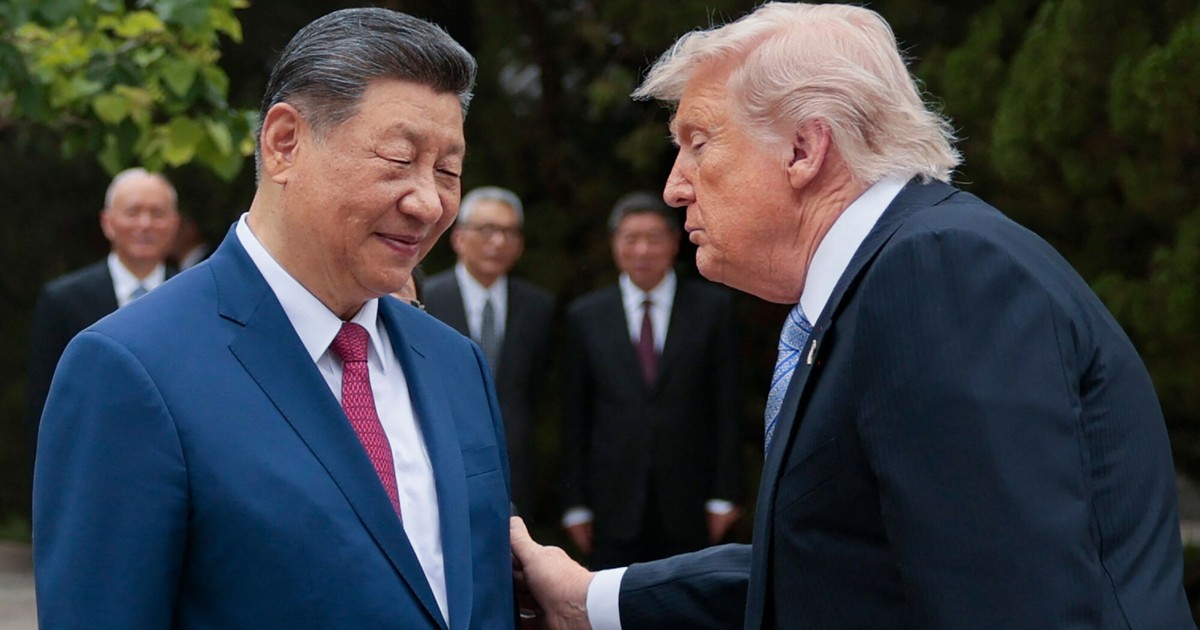
In the context of the US-China trade war, Americans argue that this state of affairs indicates imbalance and dependence on Chinese supplies, which is why they are trying to limit imports from China through tariffs and other barriers. From China's perspective, the high trade surplus shows the strength of its industry and competitiveness on global markets.
See also: Secret US intelligence report. This is how China benefits from the war in Iran
At the same time, a positive or negative balance alone does not tell everything about the condition of the economy – The United States, despite its trade deficit, remains the world's largest economybecause they attract foreign capital, have a strong services sector and the dominant role of the dollar in the global financial system. The trade war is therefore largely an attempt to change this trade imbalance and a competition for technological and economic advantage in the future.
US foreign trade with a better result
However, the American media pays attention to the positives, because the US trade deficit narrowed in April. Mainly because of exports rising to record high levels.
“If this trend continues, trade could contribute to economic growth this quarter. The smaller trade deficit reported by the Commerce Department on Tuesday partly reflected higher energy prices caused by the U.S.-backed war with Iran, which has disrupted shipping in the Strait of Hormuz. Crude oil exports reached record levels in April,” writes Reuters.
“The good news is that trade is starting to become more balanced at the start of the second quarter as tariffs limit import growth compared to surprisingly strong export growth. The bad news, however, is that export growth appears uncertain as it is largely driven by higher energy prices due to the Iran conflict,” said Christopher Rupkey, chief economist at FWDBONDS.
The trade deficit decreased by 1.2% in a month. On top of that data for March were revised downwards and indicate a deficit of USD 56.6 billion. instead of the previously reported $60.3 billion.
The deficit in trade in goods with China decreased by USD 2.6 billion. up to USD 12 billionwith both exports and imports falling. The United States recorded a deficit in its trade balance, among others. with Taiwan, Vietnam, Mexico, the European Union, Canada and South Korea.