In recent weeks, DIA prepared a new counterintelligence threat assessment that was shared internally at the Pentagon. According to information obtained from officials, the threat level from Israel has been described as “critical.” The Pentagon is concerned that Israeli intelligence services are intensifying their attempts to obtain information about President Donald Trump's administration's decisions regarding conflicts in the Middle East, NBC News reports.
According to one official, the DIA assessment includes a seven-page document with a chart that concluded that Israel's personnel and technical espionage capabilities have reached “critical levels.” The document also indicates specific incidents that aroused concern of the American services.
Reactions of Israel and the USA
According to current and former U.S. officials, while espionage between allies is nothing new, Israel's recent actions are said to be beyond the norm. It is not clear whether a specific event influenced the DIA's decision, but the heightened state of alarm appeared at a time of serious tensions between Trump and Netanyahu, especially in the context of the war with Iran and Israeli operations in Lebanon.
Tensions between the US and Israel
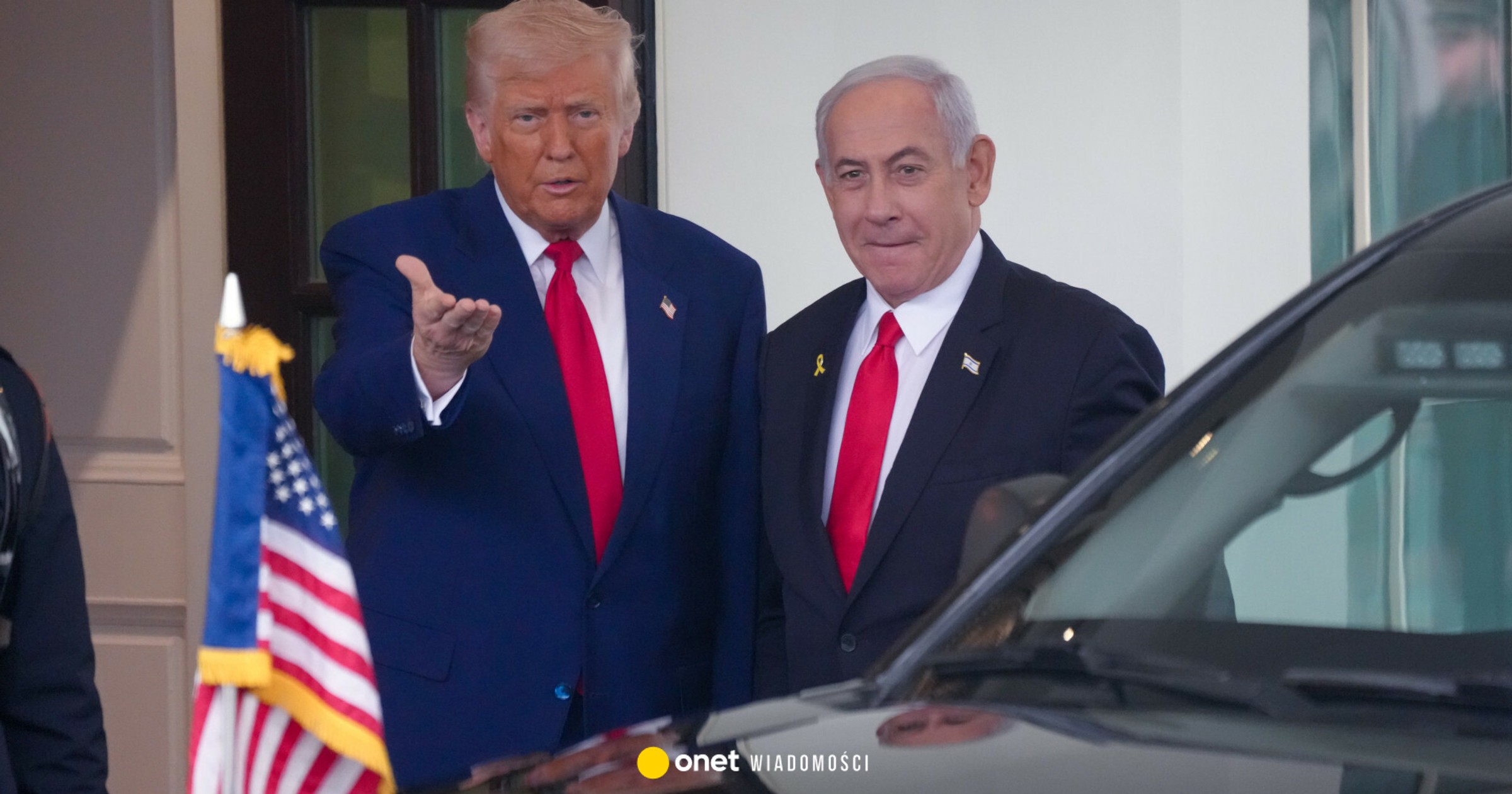
In recent weeks, US President Donald Trump and Israeli Prime Minister Benjamin Netanyahu were expected to hold a tense telephone conversation regarding hostilities in Iran and Lebanon. According to NBC News, Trump allegedly called Netanyahu “crazy” when questions arose about the divergence of the two countries' goals in the Middle East.
Since the ceasefire in early April, Trump has been trying to reach a diplomatic agreement with Iran to end the war started on February 28 by Israel and the US. Israel publicly expresses skepticism about any deal with Iran, while Netanyahu is pushing for the resumption of airstrikes and disagrees with the US president, who opts for limiting attacks on Hezbollah in Lebanon. Western officials emphasize that Israel is particularly interested in Trump's decisions regarding the possible resumption of large-scale military actions against Iran.
Consequences for US-Israel intelligence cooperation
Raising the counterintelligence threat level is resulting in greater caution by U.S. officials when visiting Israel and meeting with Israeli officials. But officials say this has not affected daily intelligence sharing, which remains high, especially in the context of the war with Iran.
One official noted that the United States has previously been particularly cautious when visiting Israel, and Israeli services are known for aggressively seeking information. American counterintelligence operations, conducted primarily by the FBI, also extend to other government agencies and the military, aiming to protect state secrets and monitor attempts to recruit or pressure officials.
Israeli intelligence activities under the microscope
According to current and former diplomats and national security experts, Israel has been conducting intensive intelligence activities for years, even against its closest ally, the US. This practice has long raised concerns among U.S. security and diplomatic services, and intelligence agencies monitor it very closely.
Top U.S. officials often use special, disposable electronic devices when visiting Israel and are especially careful when talking in hotels. Emily Harding from the Center for Strategic and International Studies emphasized that Israeli intelligence services are extremely aggressive and very interested in US actions.
A history of mutual espionage
In the 1980s, Israeli spying led to a serious crisis in relations with Washington, when American analyst Jonathan Pollard was sentenced to 30 years in prison for passing secret documents to Israel. The United States also conducts espionage activities against its allies, as revealed by Edward Snowden's leaks in 2013. It turned out that the American services had eavesdropped, among others, on: then German Chancellor Angela Merkel, which caused outrage in Germany.
Despite these incidents, the United States and Israel remain close allies and their intelligence services have cooperated closely for decades. But current concerns about Israeli espionage at such a critical time could undermine mutual trust, former U.S. officials say.