Is right-wing populism a greater threat than Russia?


Russian interference and disinformation have featured prominently in recent European elections – first in Moldova, where pro-European liberals won late last month, then in the Czech Republic, where billionaire populist Andrej Babis won last weekend.
Due to Russia's actions, the situation in both countries – and not only in them – has become dangerous. However, the focus on the Kremlin obscures a deeper, and perhaps even more disturbing fact – real public support for right-wing populists and nationalists. And the extent to which it changes politics across the democratic world.
Russia's intervention in elections in European countries is well documented. For decades, far-right parties in France, Italy and Austria have been courting the Kremlin, receiving financial and other support from it. However, it would be wrong to believe that this cooperation had a decisive influence on the elections or to assume that populist leaders will be disqualified if the “Russian card” is played.
Putin and the right hand of populists
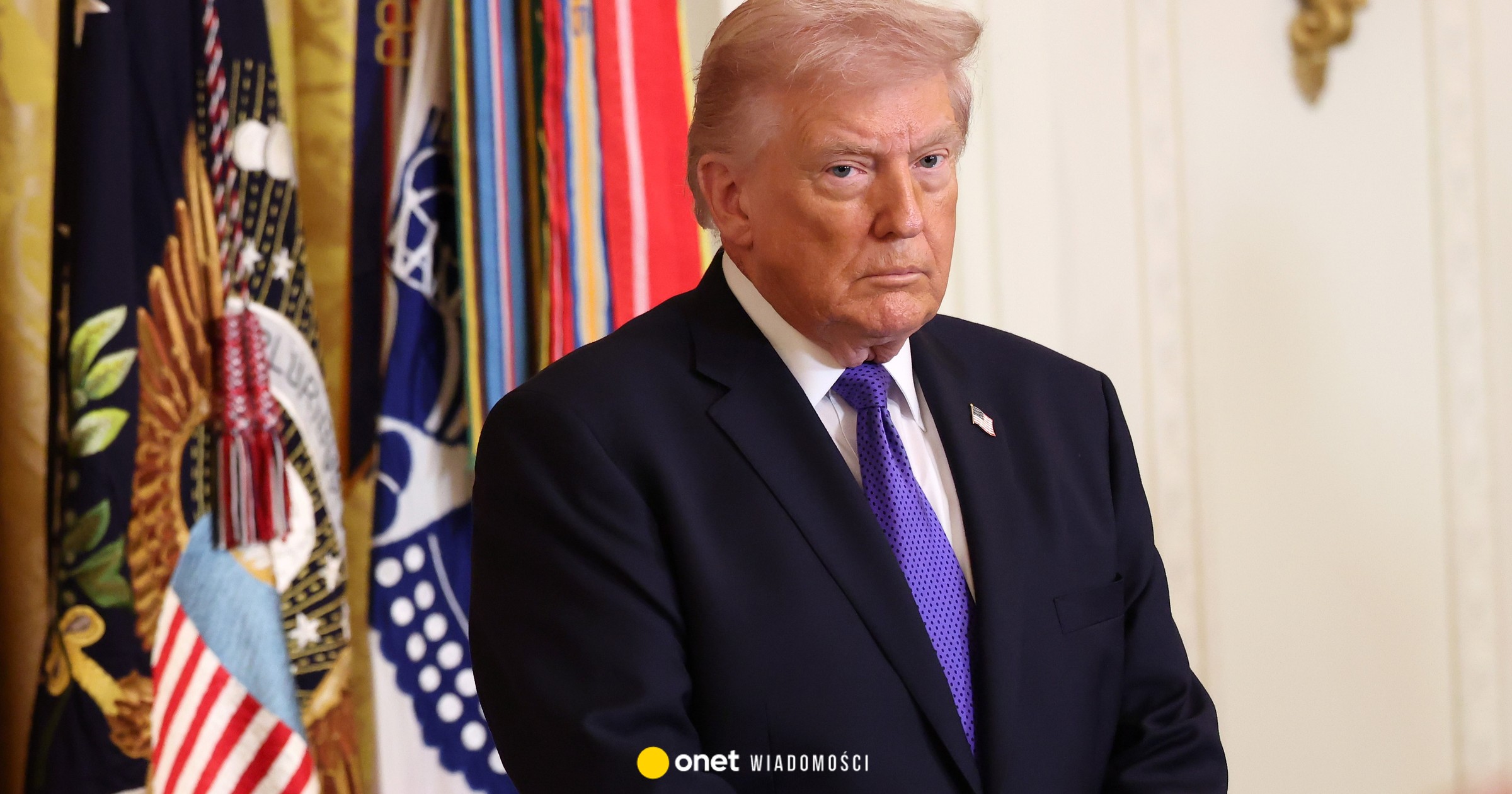
The United States sets a deterrent example. Democrats' obsession with Donald Trump's alleged 2016 agreements with Russian President Vladimir Putin did not lead to the downfall of the Trump movement. The investigations confirmed Russian interference in the election, but instead of weakening Trump, they strengthened his narrative about the need to defend himself against unfair accusations.
Despite these scandals – and despite Joe Biden's actions to prevent external interference in the elections in the future – Trump returned to the White House in 2024 with an even stronger mandate.
Outside the United States, it is equally difficult to find a country where labeling a conservative-authoritarian group as “pro-Russian” would actually destroy its career.
The reason is simple: many far-right voters have no problem with Putin's Russia. Putin's supposed “healthy conservatism” that they often talk about reflects what they are actually looking for. Regardless of whether they call themselves national conservatives, traditional social democrats or patriotic liberals, they have one important factor in common. Today's right-wing movements share a common credo that is the rejection of liberal universalism, the glorification of national pride, the restoration of ethnic, gender and cultural hierarchies, and the opposition to long-term climate responsibility.
From this point of view, attachment to Russia is not the source of their ideology, but its logical consequence. The West often says that prejudice against immigrants, aversion to LGBT rights or opposition to aid for Ukraine or the green transformation are views artificially created by the Kremlin. This is a serious analytical error.
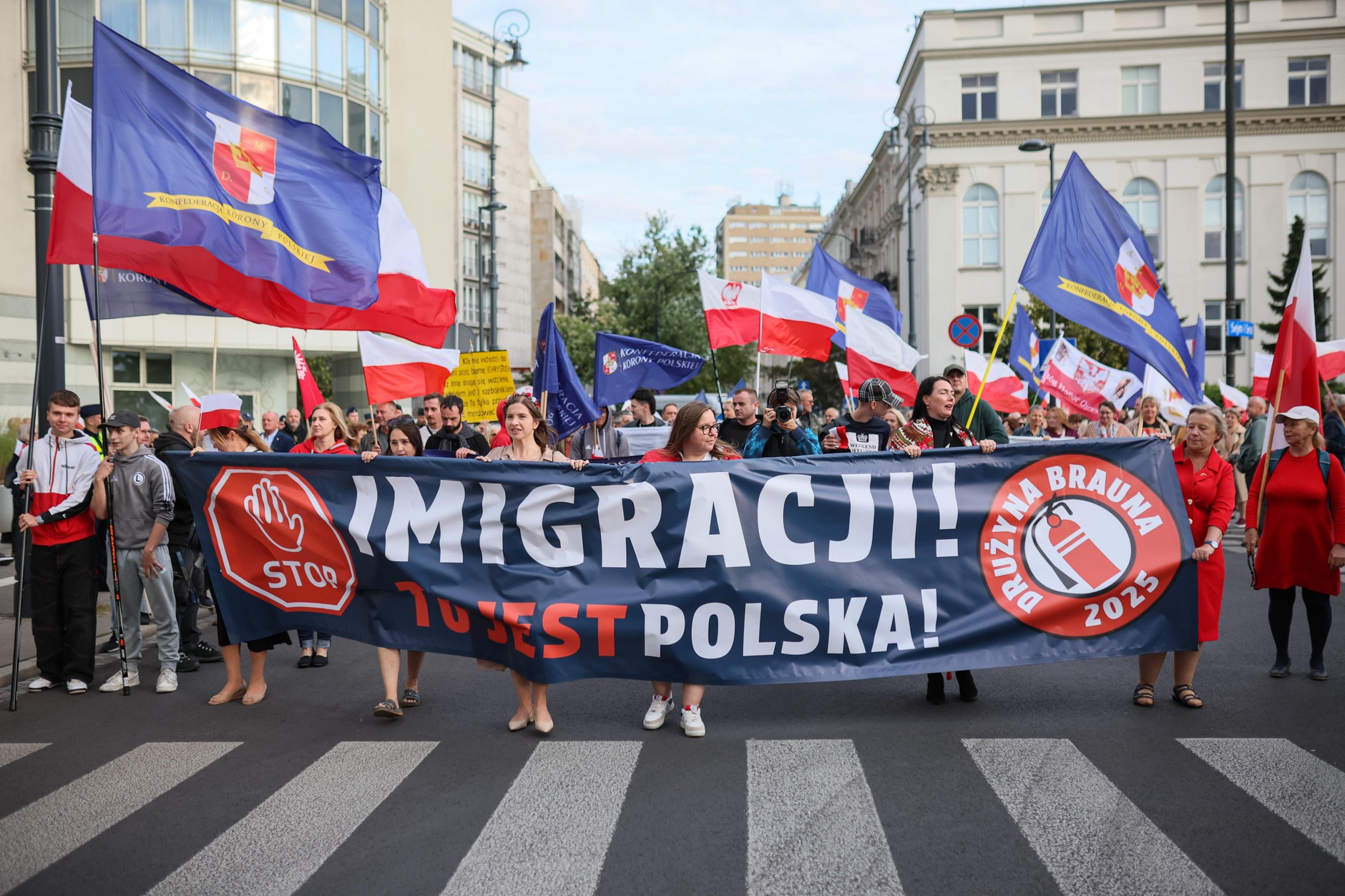
Participants in a march with the slogan “Stop the immigrant invasion”, Warsaw, Poland, August 24, 2025.Leszek Szymański / PAP
Why the West still doesn't understand the right
At a pro-democracy conference in Budapest last month, I asked the audience — many of them old enough to remember the communist dictatorship — to imagine that the Cold War was fought on the assumption that communism was just a front for the Russian imperial project.
The presence of the Red Army in the USSR's satellite countries and the machinations of the KGB obviously played their part in maintaining communism, but its durability also resulted from the fact that it referred to real inequalities. The Cold War was not ultimately won thanks to Joseph McCarthy's paranoia [amerykańskiego senatora, który w latach 50. zasłynął z antykomunistycznych polowań na czarownice symbolizujących irracjonalny strach i podejrzliwość wobec domniemanych sympatyków komunizmu].
This happened because communist ideology was taken seriously by the West, and carefully selected elements of socialist criticism – primarily social welfare – were incorporated into liberal democracy.
Today we face a similar challenge. Italian Prime Minister Giorgia Meloni, who grew out of a neo-fascist movement, governs with pro-European pragmatism. Danish Prime Minister Mette Frederiksen has moved away from the right-wing trend, pushing it to the political margins with a policy that could be called “white progressivism” – it combines a social democratic program with restrictive immigration policies.
In Romania, the mayor of Bucharest, Nicusor Dan, won the presidential elections this spring as a social conservative and reformer. Even in Hungary, for the first time in 15 years, a truly significant rival of Prime Minister Viktor Orban appeared – Peter Magyar, a conservative insider who turned dissident.
However, this adjustment must be carried out in the right way. Outgoing Czech Prime Minister Petr Fiala found this out the hard way. His strategy of reassuring voters by appealing to Christian-conservative values did not work in one of the most secular societies in Europe. He has neglected the issues that matter most locally — resistance to the economic costs that must be incurred to meet NATO spending goals, help Ukraine and drive the green transition.
These issues may coincide with the Kremlin's interests, but they could just as easily be explained by the narrow interests of local voters. For an industrial worker in Moravia, what is most painful is not climate change or Russia, but the cost of living and insufficient financing of public services.
The article continues below the video
“Outrage alone is not a strategy.”
This is why the debate on democratic strategy cannot remain in the hands of moderate conservatives, who usually focus primarily on the cultural dimension of right-wing programs. In its obsession with the alleged excesses of “woke” culture [odnoszącej się do podnoszenia świadomości na temat nierówności i dyskryminacji w społeczeństwie] moderate conservatives sometimes resemble those naive Western sociologists of the mid-20th century who made general accusations against the alleged excesses of capitalism.
A more consistent response in that era came from Christian Democrats in Europe and Republicans such as US President Dwight Eisenhower. They were staunch anti-communists and ideologically they never gave up — but they were pragmatic enough to accept some aspects of the welfare state. They treated them as the price for democratic consensus marginalizing the revolutionary forces.
Today, convinced progressives face a similar choice. The outrage at the selfishness, shortsightedness and bigotry of some of today's right-wing voters is completely justified. But outrage alone is not a strategy. The inevitable question is: which fears and prejudices of conservative voters can be included in the political program, and what limits cannot be crossed?
Russian election interference matters. But it should be a secondary issue. The greatest threat to liberal democracy lurks at home. It is the inability of the country's defenders to confront the political reality and the problems that voters constantly pay attention to.