Four companies likely to be included in the latest sanctions package, expected to be approved at a meeting of EU foreign ministers next week, are supporting Russia's shadow fleet by providing chemicals for the Russian military and components used by Moscow to build combat drones – officials said.
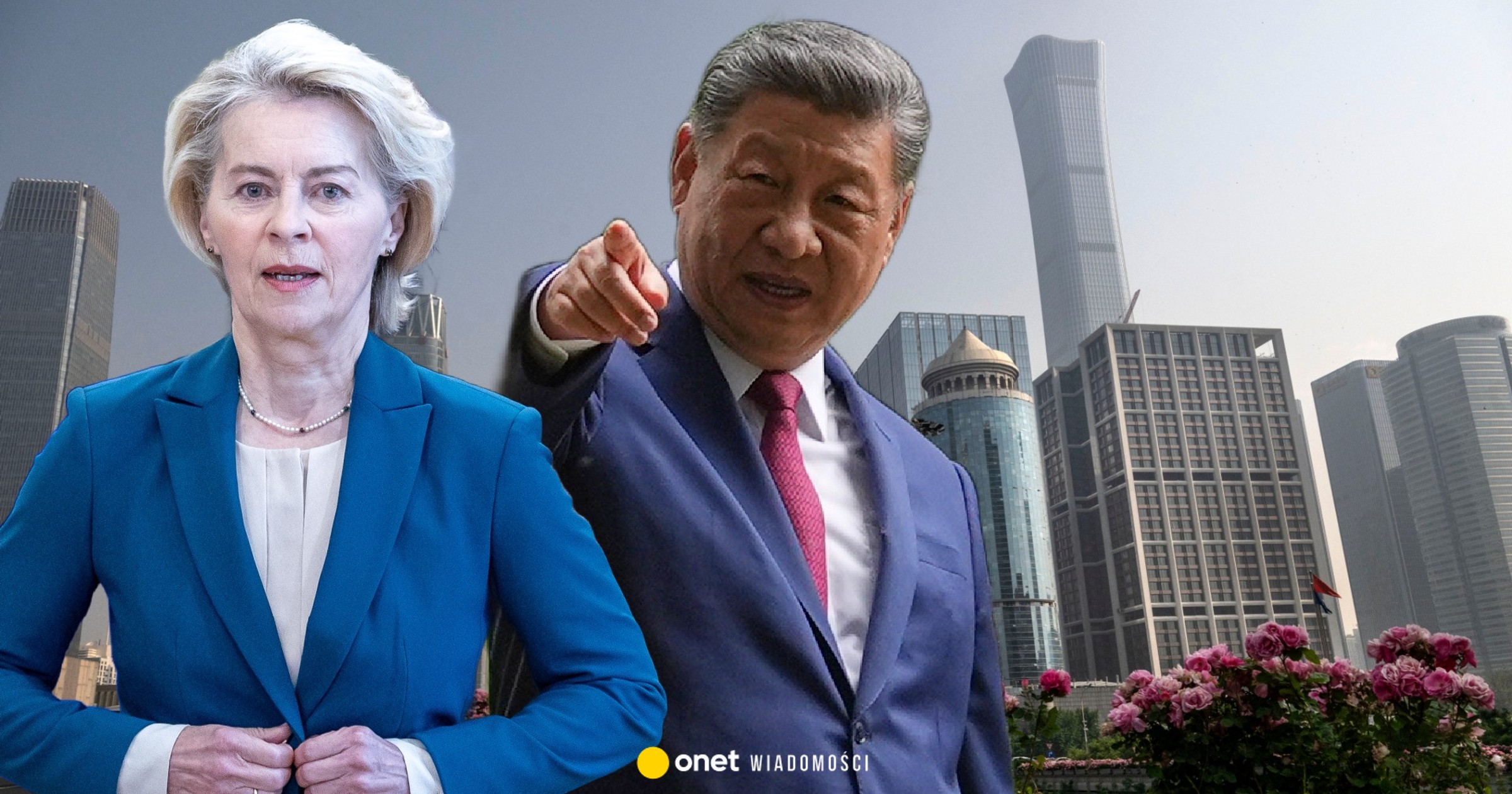
This is not the end. The President of the European Commission, Ursula von der Leyen, is seeking the support of EU capitals for decisive action against subsidized imports from China. Beijing is already making threats.
Last week, China said it would take “strong countermeasures and effective action to protect its interests” if the EU imposed additional trade restrictions.
The article continues below the video
The EU has targeted Chinese companies with sanctions in previous rounds, but the latest proposals show that The EU is doubling down on its strategy to combat entities supporting Russiadespite China's warnings about “consequences” related to the measures contained in the 20th round of EU sanctions against Russia.
On Tuesday, EU Trade Commissioner Maros Sefcović will meet Chinese Trade Envoy Li Chenggang on the sidelines of the OECD Ministerial Meeting [międzynarodowej organizacji gospodarczej i międzyrządowego forum, które skupia wysoko rozwinięte i demokratyczne państwa w celu poprawy krajowych gospodarek] in Paris, says Commission spokesman Olof Gill.
The document obtained by POLITICO, dated May 21, will be included in a “mini-package” of sanctions, which – according to two EU officials – is to be adopted during the meeting of EU foreign ministers in Luxembourg on June 15. This package will contain a number of individual entries as the EU works on its 21st sanctions package a broader, sectoral approach and is expected to be adopted later this summer.
Any EU sanctions must be unanimously approved by all 27 EU countries. Ambassadors may propose the deletion of one or more provisions contained in the EEAS proposal [to Europejska Służba Działań Zewnętrznych; oficjalna służba dyplomatyczna UE, która odpowiada za prowadzenie wspólnej polityki zagranicznej i bezpieczeństwa oraz reprezentowanie interesów UE na arenie międzynarodowej].
A hit to oil revenues
In addition to four Chinese companies, the document proposes sanctions against five companies based in the United Arab Emirates, three in Turkey and one in Azerbaijan. According to the EU, they facilitate Russian shipping and energy sales. Brussels also proposes imposing sanctions on subsidiaries of the Russian company Lukoilas well as dozens of individuals and companies described as supporting Moscow's war machine.
The list is part of a “flexible” approach to sanctions, under which entities are added or removed depending on how Russia changes its tactics to avoid sanctions.
POLITICO has decided not to publish the names of the companies involved in this practice.
This list highlights that Brussels seeks to increase pressure on Russiainstead of seeking direct negotiations with Moscow to take advantage of Ukraine's successes on the battlefield and persuade Russia to enter into serious talks.
EU countries are still debating what to include in the 21st sanctions package. The key proposition is to determine price limit for the purchase of Russian oilwhich is scheduled to expire in July. If the limit expires, it will automatically increase as global energy prices rise. Several countries are pushing to maintain the current price to deprive Moscow of more revenue.
The group of Scandinavian and Baltic countries also proposes more comprehensive sanctions against Russian energy companies, including Lukoil, Gazprom, Novatec and Rosneftaccording to a separate document obtained by POLITICO. The group of these countries firmly believes that the EU should terminate all contracts with the Russian nuclear industry.
“We do not comment on the details of future sanctions packages. We can only say that, as with all previous packages, our aim is to maximize economic pressure on Russia, including by introducing new anti-circumvention measures,” the European Commission said.
I’m Ashley Davis as an editor, I’m committed to upholding the highest standards of integrity and accuracy in every piece we publish. My work is driven by curiosity, a passion for truth, and a belief that journalism plays a crucial role in shaping public discourse. I strive to tell stories that not only inform but also inspire action and conversation.