The participation of countries in the Czech-led initiative to purchase ammunition for Ukraine is showing a significant decrease, as the number of states financing it has been reduced by almost half since the return to power of the country's prime minister, Andrej Babis, in December, the Greek press writes.
According to Czech President Petr Pavel, only nine countries continue to contribute financially to the initiative, compared to 18 last year. The development raises concerns about the division of duties between the allies and the future of a project created by the former pro-European government in Prague, with strong support from its side.
What the Czech presidency said
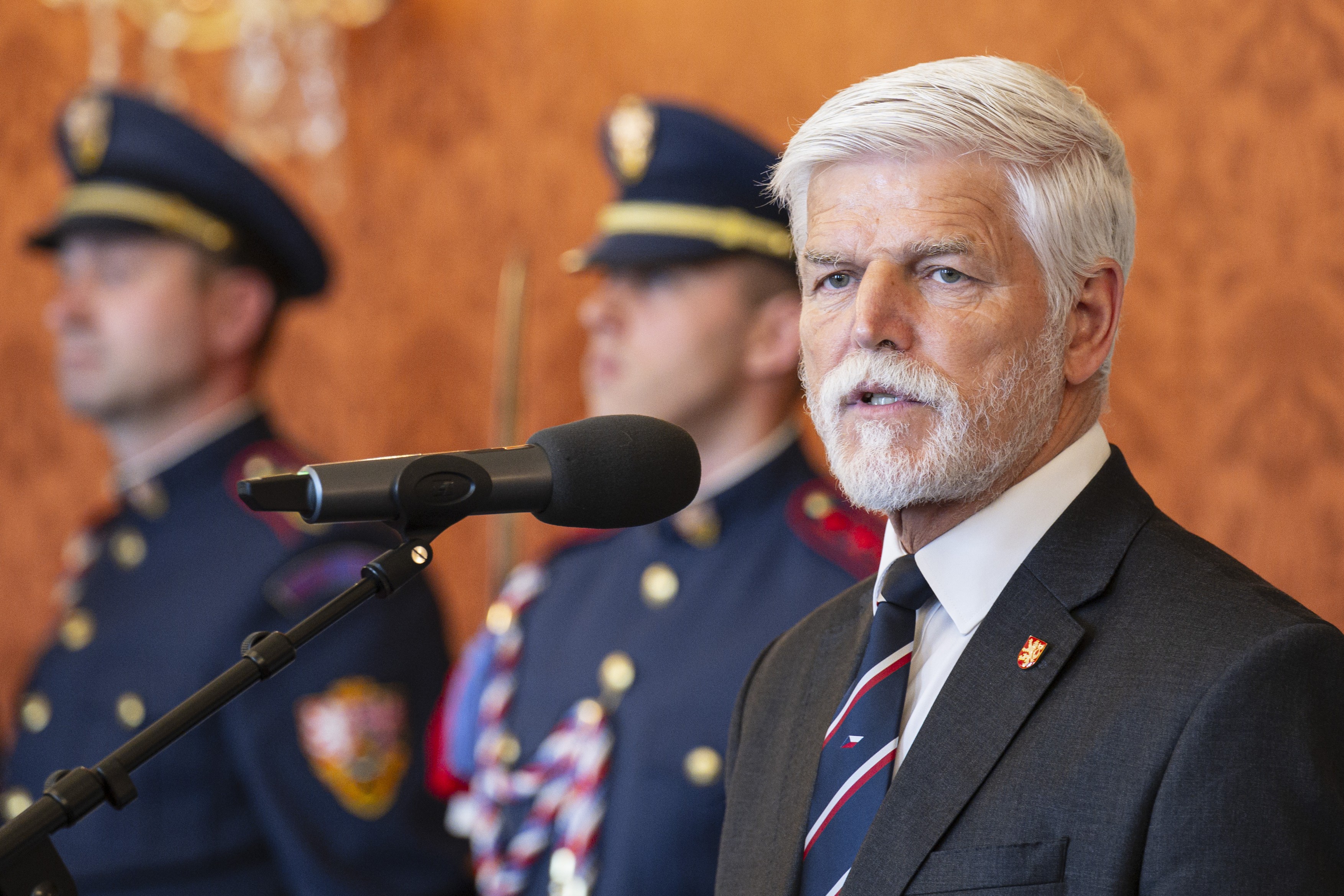
“The initiative is still working, but the new difficulty is that only about nine member states contribute financially,” said Petr Pavel. As he pointed out, this program provided up to 50% of the total large-caliber ammunition received by Ukraine, making it difficult to replace it with an alternative.
Since 2024, Prague has coordinated the shipment of more than four million large-caliber artillery shells to Kiev, with the aim of replenishing Ukraine's depleted stocks and continuing its defense against a Russian invasion.
The Czech president assessed that the future of the initiative should be the subject of discussions at the NATO summit in Ankara in July.
The country's presidency declined to name the countries that recently withdrew from the program. A Western military official said Germany and some Scandinavian countries were still participating, but added that several partners found it paradoxical to fund an initiative that did not appear to have enough support from the Czech government.
Statements of the Czech Prime Minister
For his part, Andrej Babis defended his government's position, arguing that the priority is the needs of Czech citizens. He said the country is facing economic pressures, mainly due to high energy costs following the Iran crisis, and therefore available public funds are limited.
“We don't have money. We get funding from other countries and then we deliver the ammunition,” he said.
During his election campaign last year, Babis even threatened to stop the initiative altogether, citing a lack of transparency in the management of the funds and potential benefits for the Czechoslovak Group, one of Europe's largest ammunition producers.
The company's owner and CEO, Michal Strnad, said the new government had put the initiative on hold for several months due to legal issues that needed to be cleared up.
Despite the problems, Strnad said it was too early to draw conclusions about whether Ukraine would eventually receive less ammunition this year. He noted that more countries could now purchase directly from producers instead of using the Czech mechanism.
“The initiative is not dead. It continues to work, but it is moving more slowly,” he concluded.