— In the case of the request from Poland, we can confirm that the Commission has received it. The Commission is aware of the situation and is currently assessing this proposal – noted Louise Bogey, spokeswoman for the European Commission.
— Applications will be considered in two blocks per year. Any application received now will be considered as part of the autumn package. This also takes into account the time needed to discuss the scale of impact data [klęsk] with Member States, she explained. Poland has yet to provide official estimates of losses caused by frost.
This is how the EU considers applications for farmers' support
Applications for EU support are processed according to the new method of the EU Commissioner for Agriculture, Christophe Hansen. It assumes the division of payments into fixed periods of the year – autumn and spring. This solution is intended to prevent the agricultural reserve from being exhausted too quickly and to allow for a more equitable distribution of funds among the affected countries.
RMF FM learned that documents submitted, among others, will be considered together with Poland's application. through Austria, the Czech Republic, Germany and Slovakia. However, the European Commission did not provide a specific date for the payment of funds. According to the station, due to the processing time of an application from Poland, the transfer from Brussels will most likely take place in December at the earliest or at the turn of 2026 and 2027.
Difficult situation for farmers after frosts
The European Commission does not respond to every disaster on a first-come, first-served basis, which means it does not pay support to farmers immediately. However, it recalls that European Union Member States have the possibility to support farmers through national measures or a mechanism for transferring funds.
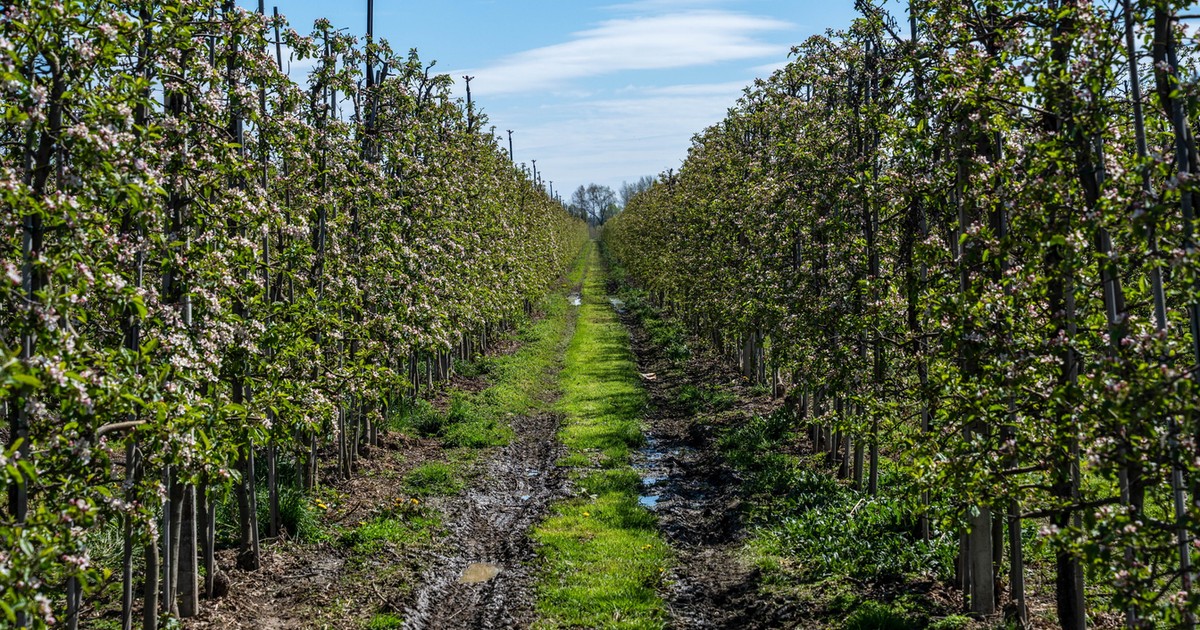
Due to spring frosts and temperatures that dropped to as much as -10 degrees Celsius in April, Polish farmers and fruit growers suffered losses. In some regions they ranged from 90 to 100 percent.