An “oasis” of wildlife in the Chernobyl exclusion zone is now under threat due to an all-out Russian war. The Times writes about this on May 24.
After the disaster, animals gradually returned to the Chernobyl nuclear power plant. A study published by the Royal Society showed how large mammals such as the Eurasian lynx, elk, wild boar and Przewalski's horse found refuge there.
Under the leadership of Ukrainian ecologist Svetlana Kudrenko, researchers in 2020 and 2021 installed camera traps throughout the Chernobyl exclusion zone and neighboring territories. They recorded 13 species of large mammals and showed that in this zone and the Drevlyansky Nature Reserve the diversity and abundance of mammals is higher than in smaller parks and unprotected areas in other parts of the north.
The Times notes that nowhere else is it possible to find animals rare for this region, such as European badgers and gray wolves.
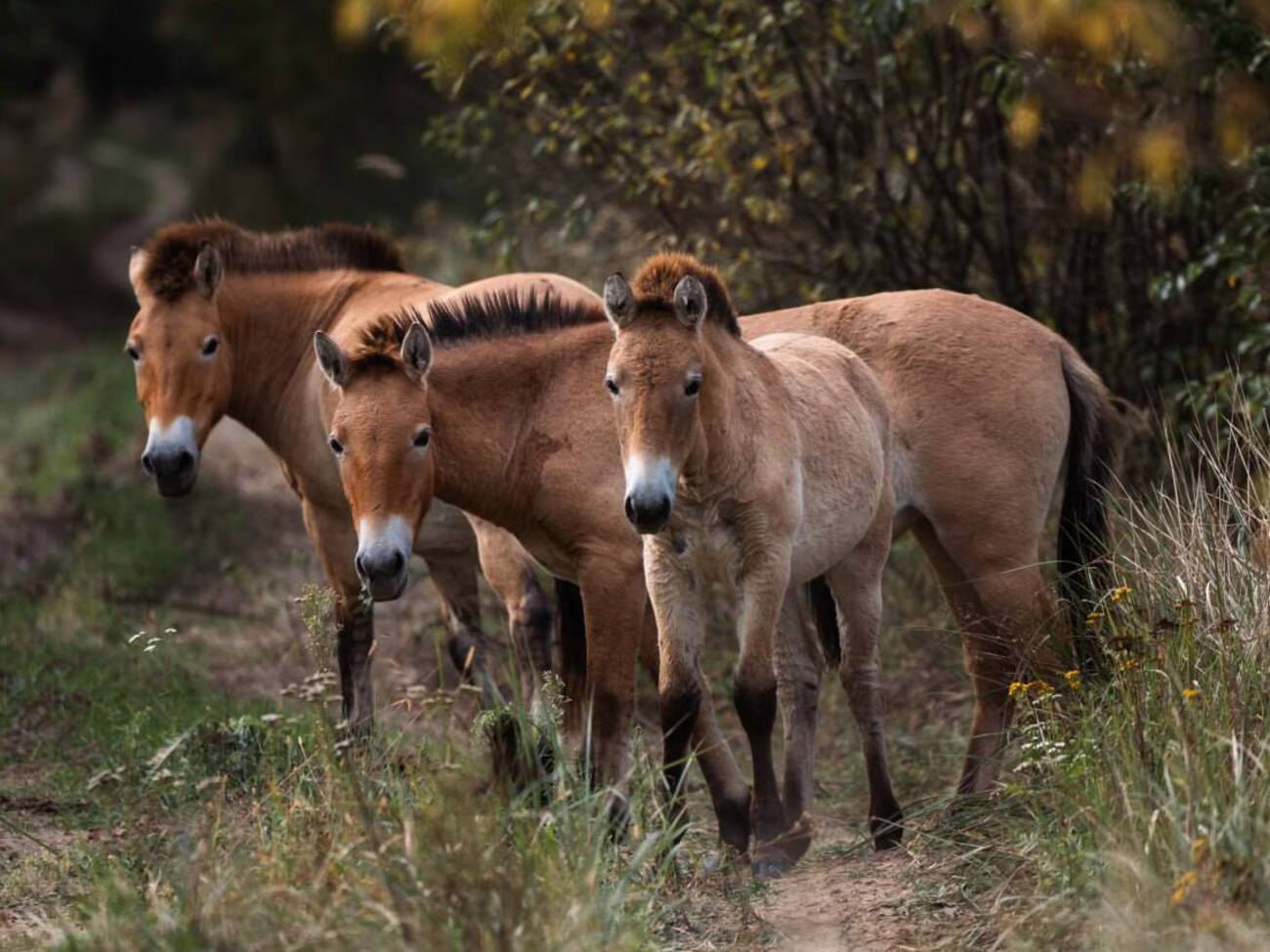
The most significant species is probably the Przewalski's horse, whose global population ranges from 2 thousand to 2.5 thousand individuals. This breed was once thought to be extinct in the wild. In 1998 and 1999, a group of these horses were relocated from the Askania-Nova nature reserve in southern Ukraine. As a result, from 23 relocated individuals, the population has grown to 120 by 2021.
Without people, Chernobyl has become an “oasis” for wildlife, says an ecologist. However, the situation changed after February 24, 2022. The Times recalled that Russian troops captured the area on the first day of the full-scale invasion and held it for 35 days.
Last month, forest fires raged in the exclusion zone, which broke out as a result of the fall of Russian UAVs. The area has become much more dangerous for horses, the media notes.
Also, according to Kudrenko, three confirmed cases of death of Przewalski's horses from landmines have been registered.
In addition, the ecologist noted that the first signs appeared that some groups of animals may have been forced to leave the reserve and found themselves closer to people.
She expressed fears that the current situation could indicate the end of Chernobyl's status as a wildlife reserve. “This chapter, unfortunately, is over,” the ecologist emphasized.