The Romanian film rated better than heavy Hollywood titles is now streaming and bears the signature of Cristian Mungiu

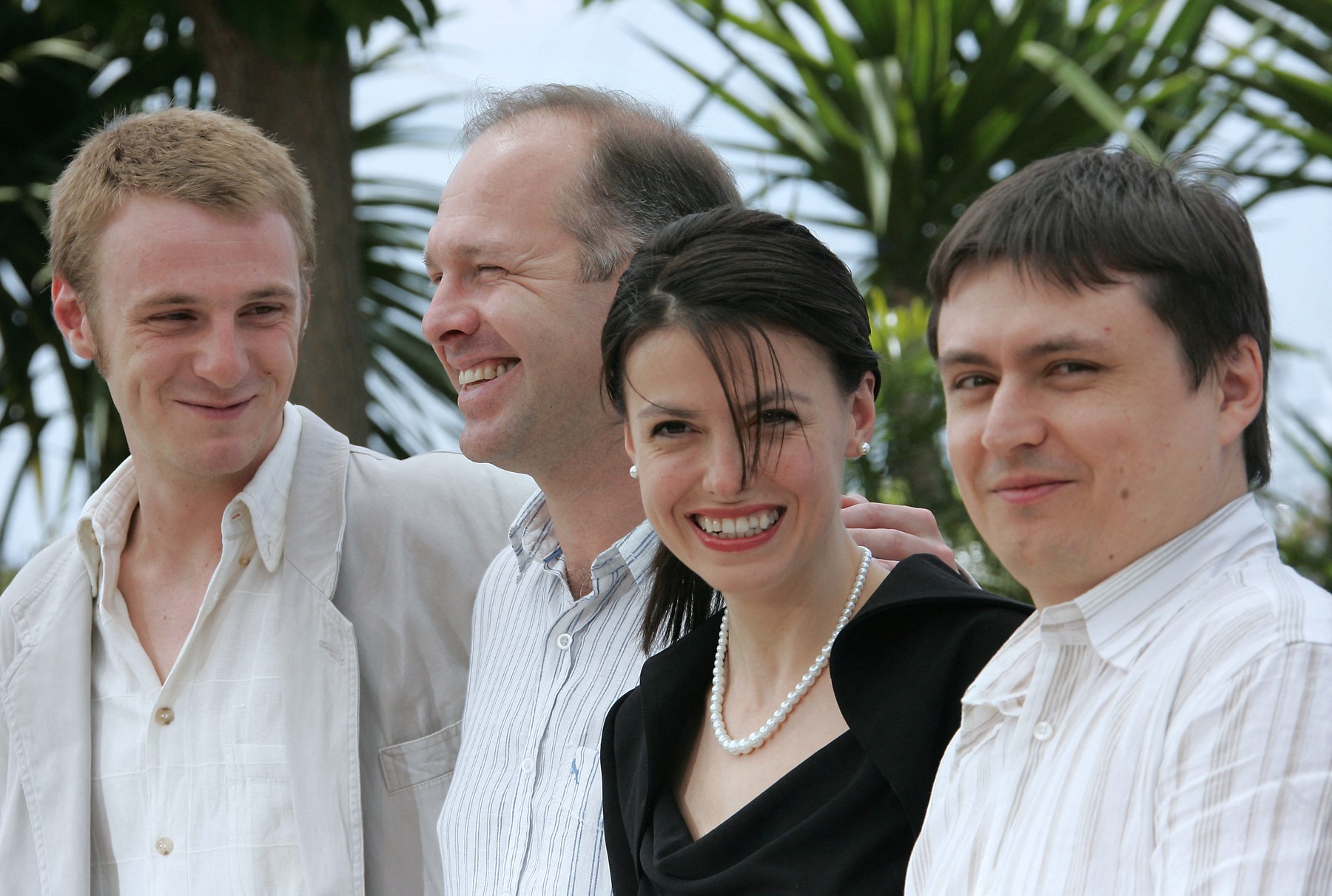
The Romanian film rated better than heavy Hollywood titles is now streaming and bears the signature of Cristian Mungiu “Fjord”, the new film that brought the director Cristian Mungiu the great Palme d'Or award at Cannes, does not yet have a release date in cinemas. We will most likely be able to see it in cinemas towards the end of the year. But until then, the feature film that brought him international recognition in 2007 can be seen in streaming.
“4 months, 3 weeks and 2 days”, the feature-length drama that Mungiu presented to the world at the Cannes International Film Festival in 2009, instantly turned him into a recognized name in international cinema. Widely appreciated, the film brought Mungiu the coveted Palme d'Or award at only 39 years old.
The film can currently be seen in streaming on the HBO Max platform, alongside other popular Romanian films, some of them directed by Mungiu himself, such as “După dealsuri”, “Babardeala cu bucluc ou porno balamuc”, “RMN”, “Occident”, “Three kilometers to the end of the world”, “TATA” or “A step behind the seraphim”.
In a ranking published in 2016, a year before “4 months, 3 weeks and 2 days” turned a decade after its release, the BBC placed Cristian Mungiu's film in the 15th position in its ranking of the 100 best films of the 21st century. 177 film critics from around the world voted for the BBC ranking.
The Romanian director's film, over titles like “The Pianist”, “Spotlight” or “The Hurt Locker”
The Romanian director's film came out in the ranking above internationally well-known films, some of them awarded with Oscars: “The Pianist”, “Spotlight”, “The Wolf of Wall Street”, “The Hurt Locker”, “Inception”, “Brokeback Mountain” or “Mad Max: Fury Road”.
More recently, the website IndieWire placed the film “4 months, 3 weeks and 2 days” on the 37th position in an anthology ranking of the best films of the 2000s. Although lower in the ranking compared to the BBC's, Cristian Mungiu's film was considered superior to well-known feature films such as “The Prestige”, “Catch Me If You Can”, “Brokeback Mountain”, “Miami Vice”, Casino Royale or “Inglourious Basterds”.
IndieWire, one of the largest Hollywood sites specializing in cinematography, also placed the film “The Death of Mr. Lăzărescu” at the 47th position in its ranking, signed by the entire editorial team and providing detailed descriptions for the films included in it.
Hollywood accolades for the film “4 months, 3 weeks and 2 days” by Cristian Mungiu
Introducing their audience to the film's subject – the drama experienced by women in Romania due to Ceaușescu's Decree 770, which criminalized abortion and contraception in order to increase the country's birth rate – IndieWire journalists noted that, over the next thirty years, Romania experienced a steady increase in the number of illegal and risky abortions, which resulted in the deaths of thousands of pregnant women.
Two years before the fall of communism, “material deprivation is still pervasive, everyone continues to move with the stealthy paranoia that is part and parcel of life in a police state, and abortions are performed in the functional equivalent of obscure alleys,” IndieWire explained to its readers.
“Like other New Wave filmmakers, Mungiu uses a rigorously realistic style that emphasizes long observational shots and naturalistic dialogue. '4 months, 3 weeks and 2 days' draws considerable tension from simply presenting the procedural obstacles that Otilia (Anamaria Marinca) must overcome on behalf of her naïve and pregnant friend, Găbita (Laura Vasiliu): procuring money and supplies, negotiating with hotel receptionists and the confrontation with the brutal Mr. Bebe (Vlad Ivanov), the man tasked with carrying out the procedure, but only if both women offer him something in return,” noted the review published by the Hollywood website.
According to the quoted source, “Mungiu does not shy away from presenting the sordid details of the situation, although he cleverly filters both the politics and the drama through a logistical framework. But the emotional force of the film often comes from what remains unseen. The fact that Găbita cries briefly in a bathtub, barely perceptible outside the frame, says more than a close-up of her tear-streaked face ever could.”