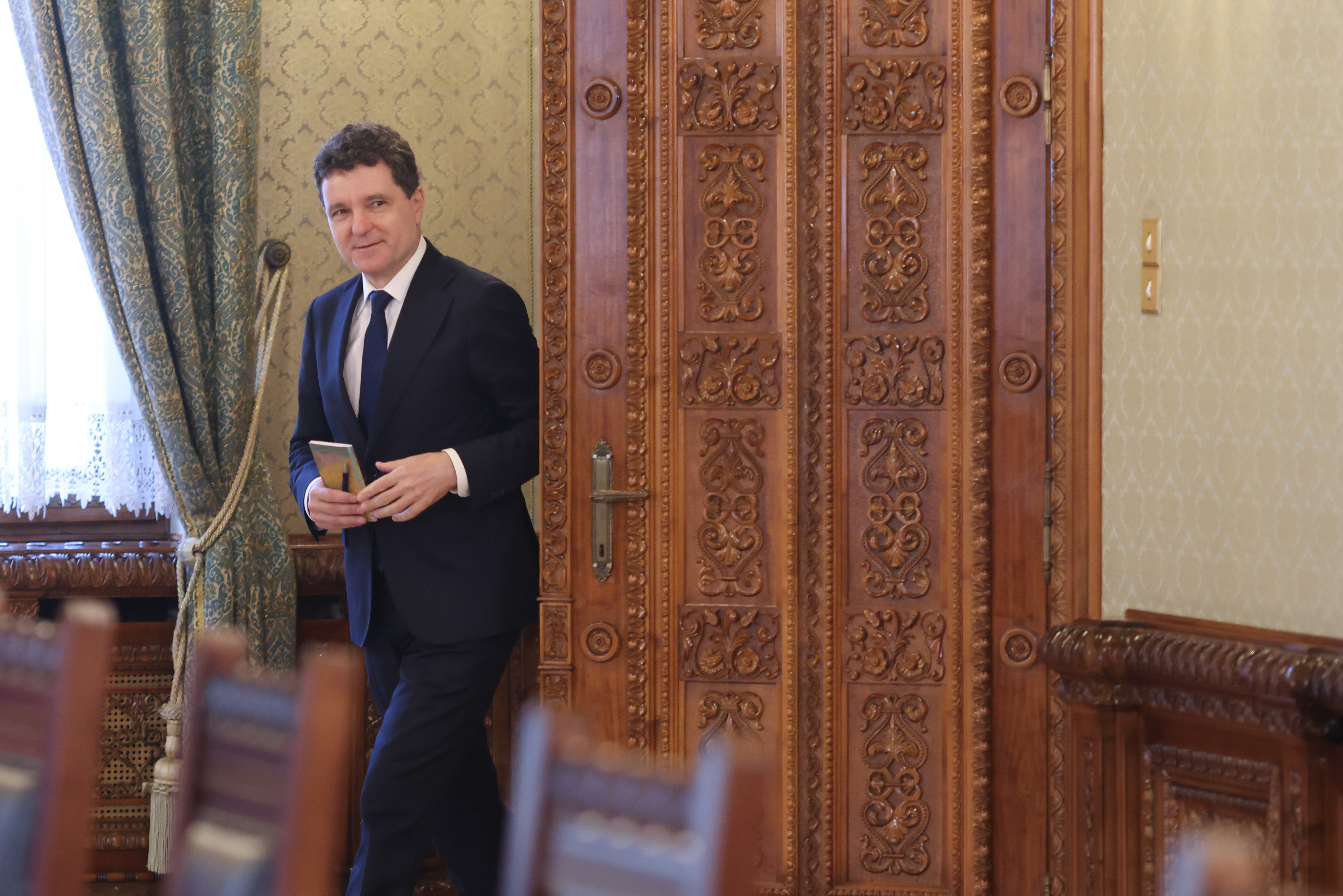
The collapse of Lukoil's sale of its overseas business to Gunvor has plunged the Russian company into crisis, raising the risk of a 14 billion euro loss in assets and fueling talk of a possible takeover by domestic rival Rosneft, writes the Financial Times.
Last week, Washington blocked the takeover of Lukoil by “Kremlin puppet” Gunvor. Commodity trader Gunvor Group said on Thursday it was withdrawing its bid to buy the international assets of Russia's largest private oil company, Lukoil, after the US said it would “never” approve the deal
Lukoil, long rumored to be closely linked to President Vladimir Putin, has until Nov. 21 to sell or divest from the international businesses it has built up over decades, as Western companies rush to meet a U.S.-imposed deadline to sever ties.
“Some of the original bidders who were rejected in favor of Gunvor may try again,” said a source inside the Russian oil market. “But the owners of Lukoil are already preparing for the possibility that their assets will simply be seized” by the countries where they are based.
The US move to block the Gunvor deal has left Lukoil's prospects bleak. With its international expansion over, the company has limited growth potential in a domestic market dominated by Rosneft, led by long-time Putin ally Igor Sechin, and Gazprom Neft, the state-controlled energy group.
“At home, everything has been given to Rosneft and Gazprom Neft,” and “going abroad is no longer an option,” said Vladimir Milov, Russia's deputy energy minister in the early 2000s, who later became an associate of opposition politician Alexei Navalny and was forced into exile. “Lukoil has no future in business. It is a company whose wings have been clipped.”
Speculation has resurfaced that Rosneft may finally take control of Lukoil. Although Putin has blocked Sechin's repeated efforts to take over his rival, according to people in the Russian energy sector, some industry experts believe a window for a takeover may now be opening.
“Sechin never gave up on the idea of taking over Lukoil,” said a person who previously worked with Rosneft. “Every few months, he goes to management with a new proposal. But so far – nothing.”
Representatives of Lukoil, Rosneft, Sechin and Vagit Alekperov, Lukoil's largest shareholder, did not respond to requests for comment.
The 14 billion euros Lukoil could lose reflects the minimum value of the assets of the company's majority-owned overseas units, according to Financial Times calculations based on documents filed by the group's main international entity in Austria and its Dutch subsidiaries.
Such a loss would mark the most significant setback for a Russian company under Western sanctions since the first year of the full-scale invasion of Ukraine.
Although the new US sanctions targeted private companies Lukoil and state company Rosneft, which together account for about half of Russia's crude oil production and exports, Lukoil will be the hardest hit of the two.
The company's foreign holdings represent a larger share of total assets than most major Russian energy companies — a legacy of how the sector developed in post-communist Russia.
Lukoil was founded weeks before the collapse of the Soviet Union in 1991, when the government merged several oil production and refining units into the country's first vertically integrated group.
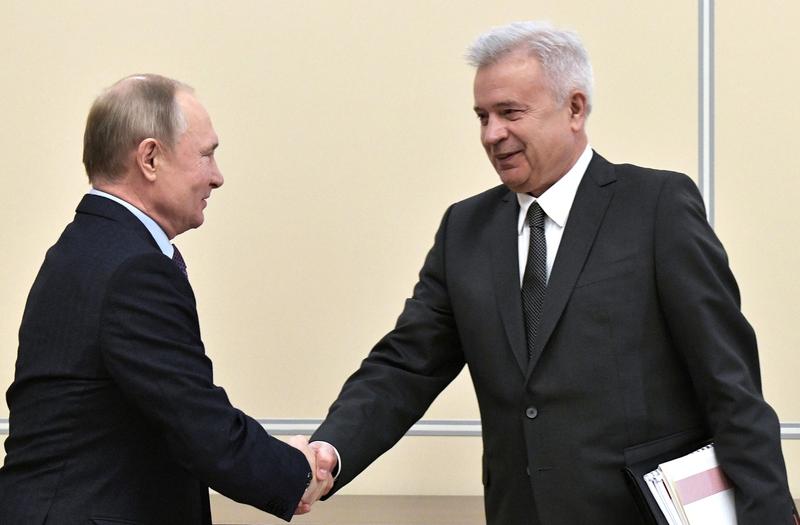
The architect of the arrangement was Alekperov, then the deputy minister of oil and gas, who soon became the head of Lukoil – a “red director”, as Soviet-era executives who kept their posts were called.
When the wave of privatizations in Russia began, Alekperov gradually increased his stake. Although he stepped down as chief executive in May 2022 after being hit by US sanctions, he remains Lukoil's largest shareholder and is ranked by Forbes as Russia's richest person.
Beyond its own challenges facing Lukoil, the sanctions have added pressure on countries where it has a significant presence.
In Bulgaria, where Lukoil accounts for about 10 percent of GDP and owns the country's only refinery, parliament last week banned exports of refined products and cleared the way for the seizure of the plant.
A new law, passed within hours despite protests from the pro-Russian opposition, allows the state to appoint a receiver authorized to sell the assets and deposit the proceeds into a government bank account.
Ilian Vassilev, an energy expert and former Bulgarian ambassador to Moscow, said: “A logical goal would be to ensure uninterrupted operation of the refinery while allowing Lukoil to acknowledge its inability to continue” operating the facility.
In Romania, where Lukoil's smaller refinery accounts for about a third of the country's total fuel production and has been operating below full capacity in recent months, the impact is less severe. The government has not yet taken any protective measures, taking a “wait and see” approach, two senior government officials said.
Meanwhile, Moldova has offered to buy Lukoil's jet fuel infrastructure serving the country's only international airport, the energy minister wrote in a social media post last week. It is also seeking a temporary waiver from the US to allow operations to continue “until the matter is resolved”.
Imsirovic, the former chief executive of Gazprom, said: “Lukoil has built such a vast and interconnected network that it opens a Pandora's box and it will be quite crazy to try to coordinate these assets.”