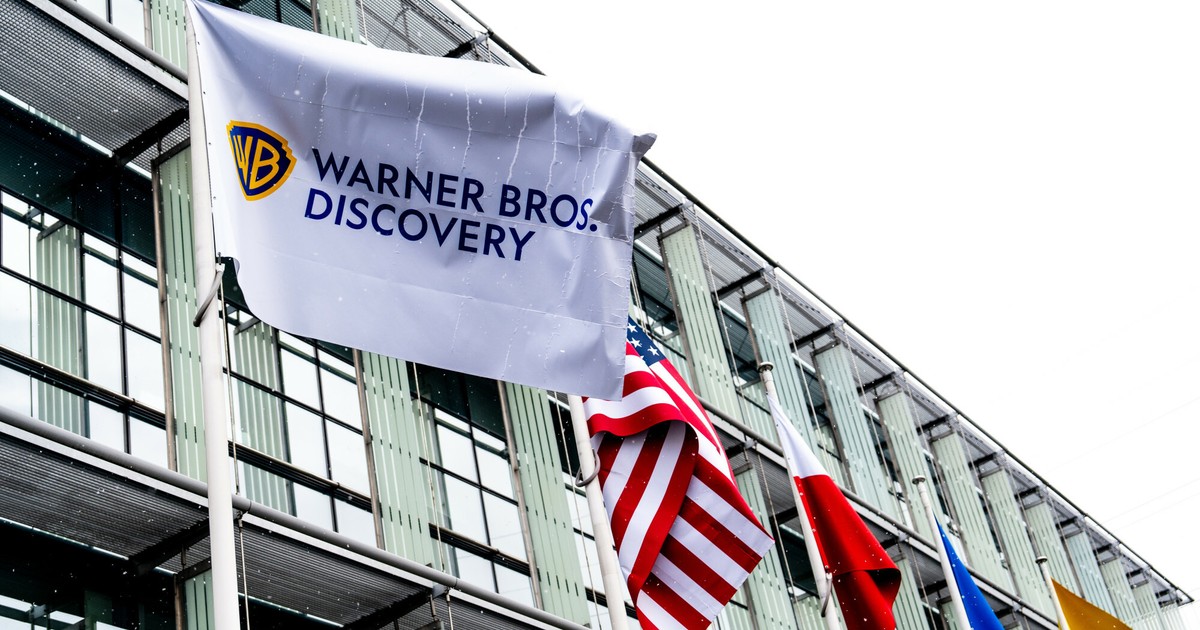
The acquisition of WBD is currently under review by regulators around the world, including the U.S. Department of Justice and relevant regulators in the United Kingdom and the European Union.
In a letter addressed to members of the European Commission, the European Parliament and several national delegations in the EU Council, obtained by the Financial Times, the organizations demanded “a thorough investigation by the European competition authorities”, in particular an assessment of the “multiple impacts on the entire European audiovisual and cinematographic ecosystem”.
Read also: Return on the sale of TVN. Paramount is considering a new, faster date
Will there be a “non-European access gatekeeper”?
According to people familiar with the matter cited by “FT”, Paramount is in informal talks with the European Commission – the EU's antitrust authority – and hopes to formally report the transaction in the coming weeks. EU Competition Commissioner Teresa Ribera met Paramount CEO David Ellison in Brussels this month.
The signatories of the letter include organizations representing directors, screenwriters, authors and cinemas. The letter was signed by, among others, The Association of Audiovisual Authors, which manages the rights of over 177,000 European screenwriters, directors and multimedia creators from 26 countries. The document was also signed by the International Cinema Union, which brings together members from 34 countries.
“In an apparent attempt to appeal to growing demands for European technological sovereignty, the organizations warn that the merger will create “another non-European gatekeeper that will control the production, distribution and streaming of films and television programs across the continent,” it says.
Paramount comments, the industry appeals
Opposition to the transaction it is also visible in Hollywood itself. There are concerns that the takeover of WBD by Paramount, which plans significant cost cuts to reach $6 billion. synergies, will lead to widespread job cuts and limit the number of opportunities for film and television producers. Paramount committed to releasing 30 films a year.
“The future of European industry cannot rest on blanket promises alone,” the signatories wrote, warning that pressure to service the merged company's debt could lead to austerity measures that would hit local production in Europe.
As the FT emphasizes, they call on European institutions to provide assurances “substantial, legally binding and enforceable commitments to protect the entire value chain”, emphasizing that protecting cultural diversity and media pluralism should remain an EU priority.
Paramount declined to comment on ongoing regulatory proceedings. “As we have previously communicated, we are engaging with all regulatory and law enforcement authorities in a constructive and transparent manner and will continue to do so,” the company says.
Responding to the letter, a Paramount spokesman said the company “has made clear commitments to increase production, including releasing 30 high-quality films to theaters each year, continuing to license content, and preserving iconic brands under independent creative direction.” He also added that the transaction “will increase consumer choice, also in European cinemas.”