Alarming situation in Congo. Aid organization blames Trump

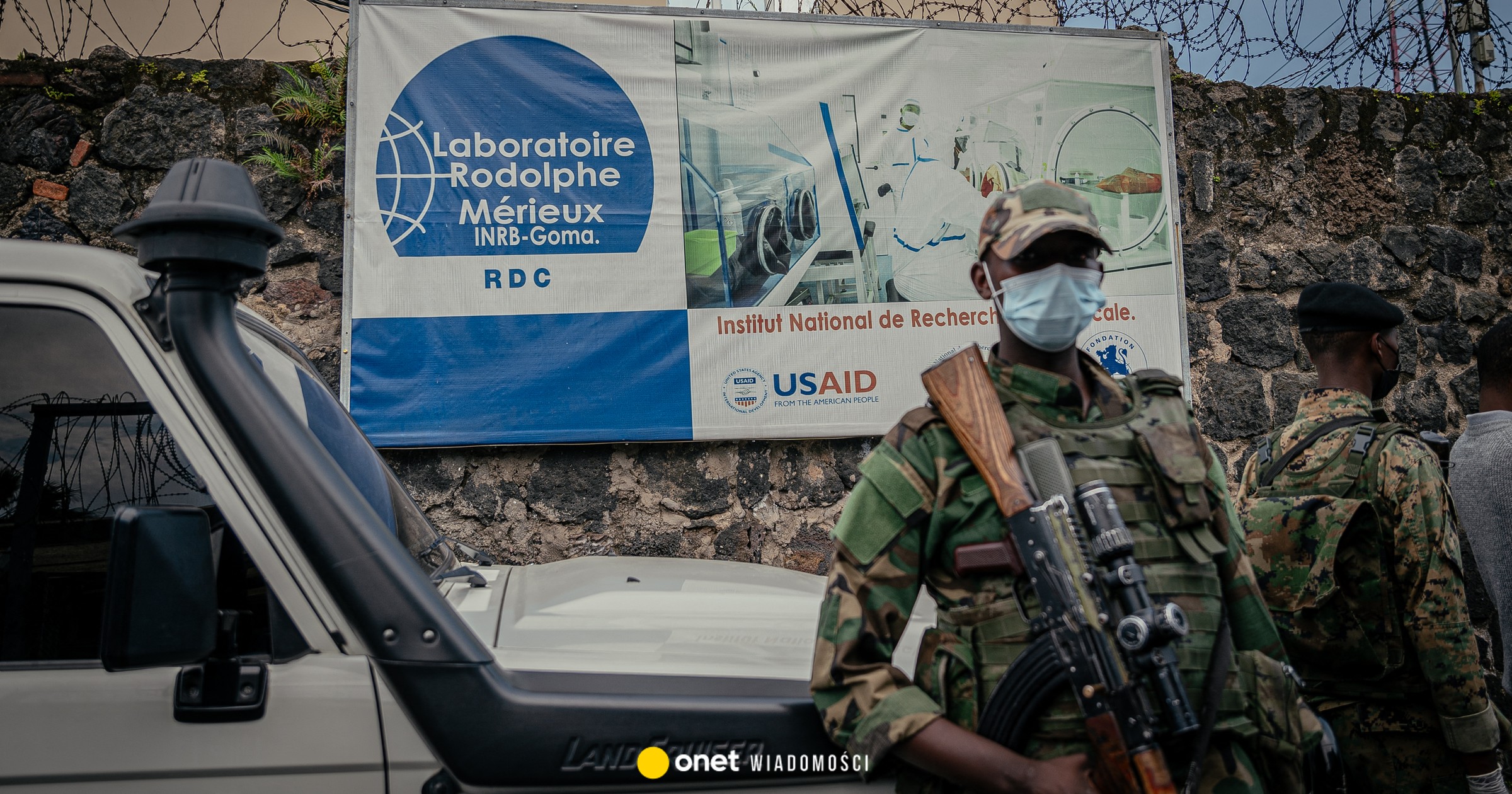
The International Rescue Committee operating in the Ebola-affected region of Africa said that following financial cuts in March 2025, it was forced to reduce its health care and emergency preparedness activities from five to just two sites in Ituri province in the northeast of the Democratic Republic of Congo, which is currently the epicenter of the epidemic.
“Financial cuts have put the region at risk,” said Heather Reoch Kerr, country director for the International Rescue Committee in Congo. — The sharp increase in reported cases over the past few days reflects the fact that surveillance systems are only now catching up in detecting infections that have likely been occurring for some time.
Concerned about the scale and pace
Tedros Adhanom Ghebreyesus, director-general of the World Health Organization, told a meeting of health officials and diplomats at WHO headquarters in Geneva on Tuesday that he, too, was concerned about the scale and pace of the Ebola epidemic. However, he does not blame the United States for it.
“It is untrue to say that reform [Amerykańskiej Agencji ds. Rozwoju Międzynarodowego, USAID] negatively impacted our ability to respond to the Ebola outbreak,” U.S. Department of State spokesman Tommy Pigott said in an emailed statement.
He added that transferring global health functions from the now-defunct agency to the Office of Global Health Security at the Department of State makes the U.S. government's response to the epidemic more coordinated and effective. “Funding and support in the fight against Ebola continues in cooperation with allies and partners,” he said.
The department said Tuesday it will fund the establishment of up to 50 clinics and related Ebola treatment efforts in Congo and Uganda. “The clinics will provide emergency Ebola screening, medical triage and isolation capabilities,” the department said in a statement.
“The announcement of additional funding in the early days of the epidemic should send a clear message: The United States is deeply committed to ensuring that this response is fully funded, expeditious, and collaborative among key global health and humanitarian partners,” the U.S. Department of State said. He added that the funds would be provided mainly through the UN Office for the Coordination of Humanitarian Affairs (UN OCHA).
A scale larger than before
Over the weekend, the WHO announced an outbreak of the Ebola virus “international public health threat”.
The number of people suspected of dying from the disease increased by 30% in one day. — from 100 to 130. So far, over 500 cases of suspected virus infection have been reported, Tedros said. So far, 30 cases of infection have been confirmed in the Democratic Republic of the Congo based on tests.
WHO reported that between 30 and 50 percent of people died during the two previous Bundibugyo virus outbreaks. infected people – less than in the case of the Sudan and Zaire strains. According to Matthew Kavanagh, director of Georgetown University's Center for Global Health and Policy, early tests were designed to detect infections with one of these strains and as a result missed Bundibugyo.
However, Kavanagh said, US financial cuts also played a role. — When billions are withdrawn from the WHO budget and USAID programs are eliminated [będące] on the front line, the surveillance system that aims to detect these viruses early is being destroyed, he said.
Rescue operations
Before 2025, the United States funded health and epidemic preparedness efforts led by the International Rescue Committee (IRC) in eastern Democratic Republic of Congo, the organization said in a statement. “These included waste management areas, medical triage areas, handwashing stations, showers and latrines, which are critical to the safe management of infectious disease outbreaks,” the IRC said.
Kerr said that Ebola virus transmission in the current epidemic may be much higher than currently known, and the number of cases is likely to increase in the next few weeks. They have already appeared in large cities in the region. The epicenter of the epidemic is in a difficult-to-reach mining area where rebel fighting is currently taking place, which may make it difficult to contain the virus.
Many healthcare facilities in the region do not have adequate protective equipment, the ability to monitor the spread of the virus, or the support needed to respond to the situation due to “many years of underinvestment and recent financial cuts” Kerr said.
The organization has started distributing protective equipment in the Democratic Republic of the Congo and supports the activities of the Ugandan Ministry of Health, including screening of people crossing the borders of both countries. Uganda has already reported two cases of the infection, including one death in the capital, Kampala.
The U.S. Department of State in a statement on Monday outlined other measures it has taken in response to the outbreak. He said that within 24 hours of receiving information about confirmed Ebola cases, he established an interagency coordination cell and an incident management system in Washington, D.C., and convened daily management meetings to prioritize actions.
“We also work closely with [Centrum Kontroli i Zapobiegania Chorobom] and the U.S. Armed Forces regarding the possible repatriation of affected Americans, based on an assessment of exposure and health needs,” the department said in a statement.
An American doctor diagnosed with the virus was evacuated from the country to the German Charite hospital in Berlin.