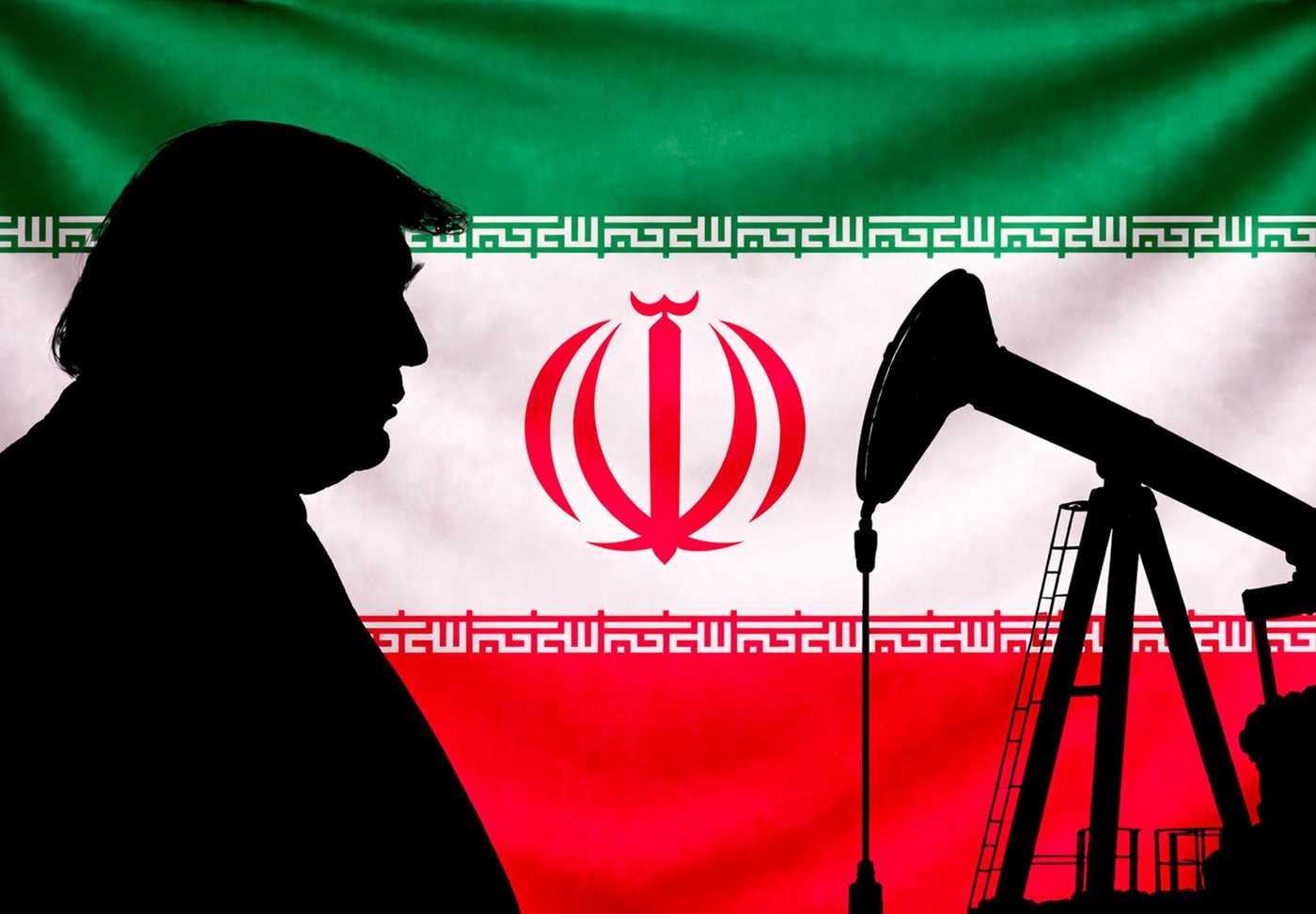
From the resolution of the conflict and the opening of the Strait of Hormuz to its escalation and the price of oil at 200 dollars/barrel.
Economist Nouriel Roubini “sees” four possible scenarios for the development of the conflict in the Middle East, calling on traders betting that the war in Iran will end soon to “wake up”, writes Naftemporiki.
Also known as “Dr. Doom”, Roubini believes that investors may be far too optimistic, believing in the conclusion of a peace agreement more than the reality shows.
In an opinion piece for Project Syndicate, the renowned economist mentioned several risks that investors don't consider, such as a falling stock market, a global recession and stagflation.
Roubini noted that major stock indexes have returned to new all-time highs despite the fact that no peace deal has been signed. That's likely because investors expect a quick resolution to the problem and are betting that the benefits of developing artificial intelligence will offset the economic impact of the war, he said.
It would be better to reflect, he says. “If we end up with an escalation, it will lead to economic instability and an even greater decline in purchasing power,” he said. In his opinion, these are the 4 scenarios:
Peace agreement for the opening of the Strait of Hormuz
In this scenario, the US and Iran reach a peace agreement and end the conflict. Iran reopens the Strait of Hormuz, possibly through a compromise from the American side – regarding its nuclear program.
“But this scenario is not very likely because the regime cannot withstand economic hardship for long,” Roubini said, noting that the U.S. and Iran also appear to be still “far apart” on key disagreements.
“Resolving even one of these would require long and complex talks by serious and experienced negotiators,” he added.
In that scenario, oil prices would likely remain “permanently” high, about 15%-20% above pre-war levels, Roubini added, due to market fears that Iran could close the Strait again.
The negotiations are prolonged for several months, with the Strait of Hormuz remaining closed
In this scenario, the truce is extended for several more months while the US and Iran try to reach an agreement. The Strait of Hormuz remains closed, which could lead to another rise in oil prices beyond the highs seen at the start of the war.
Global growth will also slow while inflation rises, giving the economy a stagflationary dynamic, he added.
“This is essentially the situation today and it's far from ideal,” Roubini said, adding that this scenario would only last three months because of the highly volatile situation.
“The status quo is causing significant economic and financial damage to the global economy, with oil and energy prices rising,” he added.
The Escalation of War and the Collapse of the Regime in Iran
The US and Iran could escalate the conflict, “unleashing all the military, economic and other means at their disposal,” Roubini said.
The goal, in that case, would be either to force Iran to surrender, for example by abandoning uranium enrichment efforts and reopening the strait “unconditionally,” or to topple the Iranian regime completely, he added.
“That would be the best outcome for the US, Europe, Asia (including China) and the rest of the world,” Roubini said. “The risk, of course, is that the Iranian regime will survive such an escalation.”
Rising oil prices – recession starts
If the conflict escalates, Iran could respond forcefully by using its remaining military hardware to destroy energy facilities in the region while keeping the Strait of Hormuz closed.
“If that were to happen, oil prices would skyrocket, closer to or even above $200 a barrel, and we would face 1970s-style stagflation, a global recession and a bear market for stocks,” Roubini said, adding that this is a worst-case scenario.