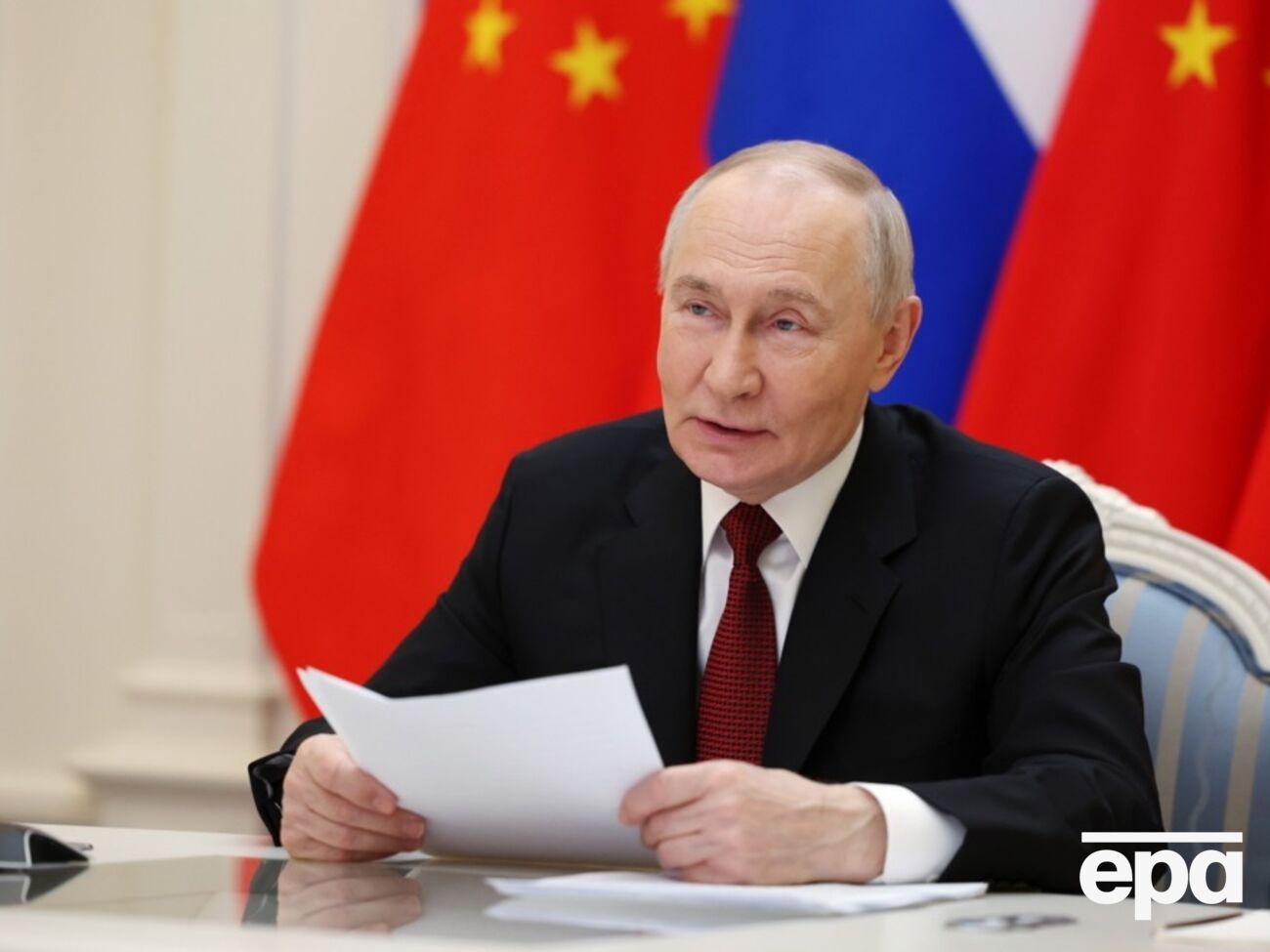
Illegitimate Russian President Vladimir Putin, who will travel to Beijing on May 19, plans to discuss the gas pipeline project to China with Chinese President Xi Jinping. Bloomberg reported this on May 19, citing its sources.
This is Moscow’s fifth attempt to promote this project over the past four years, the publication notes.
According to media interlocutors, the Russian Federation hopes that turmoil in energy markets caused by the conflict in the Middle East will force China to show greater “flexibility” in negotiations on a gas price contract for the planned Power of Siberia 2 gas pipeline project.
One Russian official noted that the Chinese side has expressed interest in speeding up negotiations, although significant progress has not yet been achieved.
However, progress on any agreement depends on the PRC leader, and so far, as Bloomberg notes, there are few signs that Russia will be able to easily reach an agreement.
Amid growing pressure on the Russian economy due to sanctions imposed by the West, it is largely dependent on trade with China, the media explains. The US war with Iran could be an opportunity for Moscow to rebalance the relationship as Beijing seeks to bolster energy security amid disruptions caused by the closure of the Strait of Hormuz.
The conflict in the Middle East “strengthens Russian-Chinese relations, strengthening Russia's role as China's main supplier of raw materials,” said Vasily Kashin, a China expert at the Higher School of Economics in Moscow. Putin's upcoming visit will demonstrate this new geopolitical reality, he said, given China's growing interest in Russian cooperation in logistics and energy.
According to a source close to Gazprom, the corporation has made a very favorable offer on gas prices for the Power of Siberia 2 gas pipeline, which will run from Siberia to China through Mongolia, although Chinese partners have shown no desire to move forward with this project. The publication's interlocutor said that the Kremlin wants to agree on the price of gas by September.
The media notes that Moscow now sees greater interest on the part of Chinese officials in expanding transit routes over land and through the Northern Sea Route in the Arctic. In particular, this was influenced by the war in Iran.