Chancellor Merz, “skeptical” about a quick agreement on Ukraine. Points to which he objects

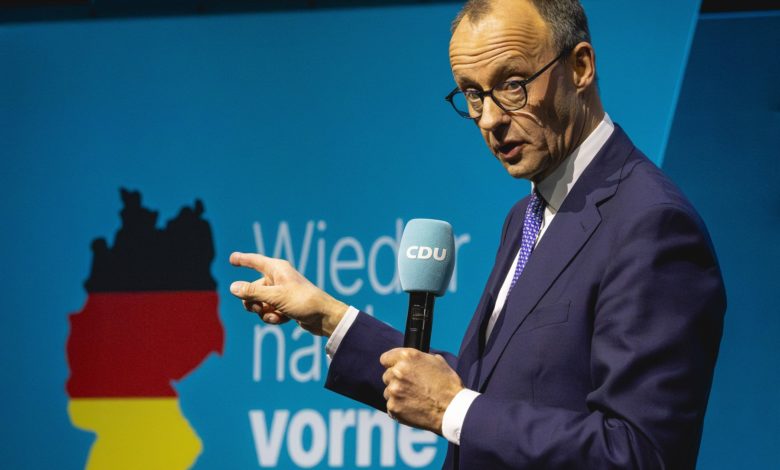
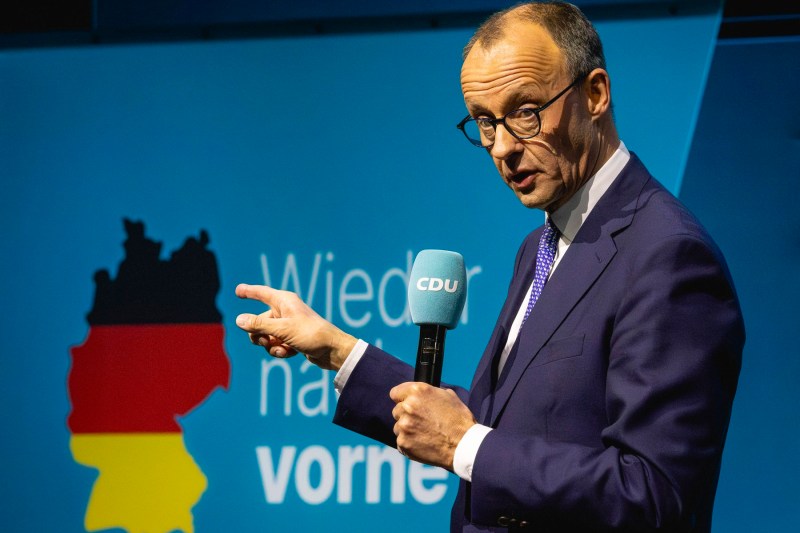
Friedrich Merz. Credit line: Juliane Sonntag / imago stock&people / Profimedia
German Chancellor Friedrich Merz, who is at the G20 summit in South Africa, declared himself “skeptical” on Sunday about the chances of reaching an agreement on Donald Trump's 28-point plan for Ukraine by Thursday, the deadline set by the American president, which is why he proposed to try to reach an agreement on a smaller number than the 28 points in that project, in which European countries have marked in red several changes that they consider necessary. AFP and EFE report, quoted by Agerpres.
“I am not convinced that the solutions desired by President Trump will be found in the coming days,” Merz said on the sidelines of the G20 summit in Johannesburg (South Africa), adding that he is “skeptical about the possibility of such an outcome, given the current divergences.”
“We have to reach a conclusion by Thursday, but we are still far from it,” added the German chancellor, referring to the talks that began on Sunday in the Swiss city of Geneva between a Ukrainian, an American and a third European delegation to outline a peace plan that could be accepted by both Ukraine and Europe.
This 28-point plan, which the US administration presents as a framework for negotiations, aims to end the conflict in Ukraine started in February 2022 by Russia.
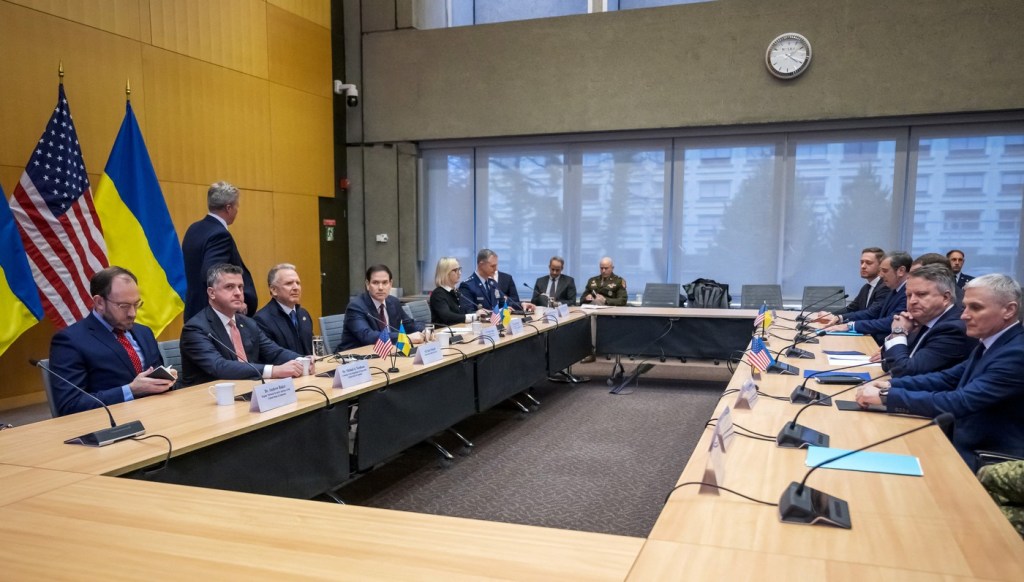 Ukraine peace plan talks end with “substantial progress” / Europe's proposed changes and Ukraine's messages
Germany does not accept Russia's return to the G8
After the Polish Prime Minister Donald Tusk ironically stated on the X platform that before starting to work on the plan, it would be good “to know for sure who is the author of the plan and where it was developed”, considering that in Europe it is considered that its drafting is clearly more suitable for Russia, Merz emphasized that “we do not know exactly who wrote it”, but that now we must take the document as it was presented in order to work on it.
The plan echoes several of Moscow's demands and has sparked opposition from Kiev and its European allies. After the Europeans entered their contributions to the original document, Merz claimed that “his impression is that the original drafters would not find everything they imagined”.
“The task now is to make the plan a viable document,” Merz added. He indicated that he had made a proposal, currently under discussion in Geneva, that could allow “at least a first step to be taken on Thursday.” “If the 28 points listed are too many, I would like to find at least one point to agree on,” he said, without elaborating.
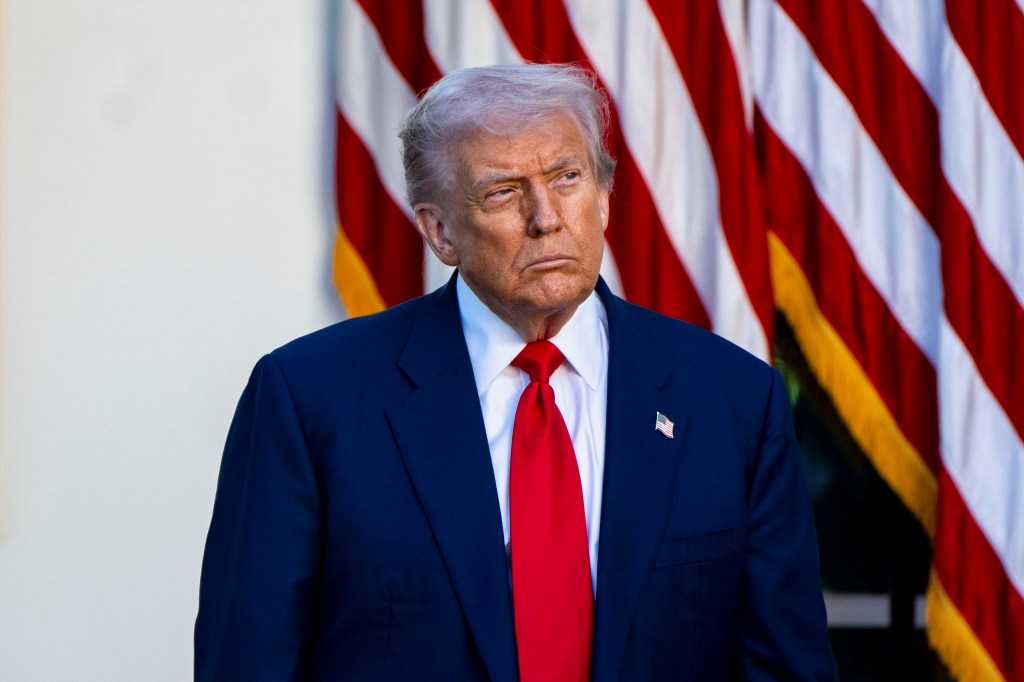 Trump accuses Ukraine of not showing “any kind of gratitude” to the United States
Merz emphasized again that one of the most important issues for the Europeans is the existence of reliable security guarantees, which he conveyed to Trump on Friday, reminding him that Ukraine once had the third largest nuclear arsenal in the world, which it gave up in December 1994 in exchange for Russia's promise to fully respect its territorial integrity.
“Russia did not comply with this agreement. Therefore, the question now arises as to what security guarantees can be offered to really ensure a new agreement with Russia. And they must be better than those in the Budapest Memorandum,” he emphasized, because “if Russia was trusted in 1994, Russia cannot be trusted in 2025.”
He also rejected the point in the plan that provides for Russia's return to the G8. “If a change has to take place, it will be decided by all the current members of the G7 and, for the moment, I don't see the will to readmit Russia into this circle,” he said.