What happened to the gold bars and the tens of millions confiscated by Hungary from the vaults of the Ukrainian state bank. Zelensky's announcement

Ukrainian President Volodymyr Zelensky announced on Wednesday the return by Hungary of millions of euros in cash and kilograms of gold seized during the arrest, in March, in Budapest, of seven employees of a Ukrainian state bank, whom the Hungarian authorities accused of money laundering, an incident that at that time turned into a political dispute, AFP and Euronews write.
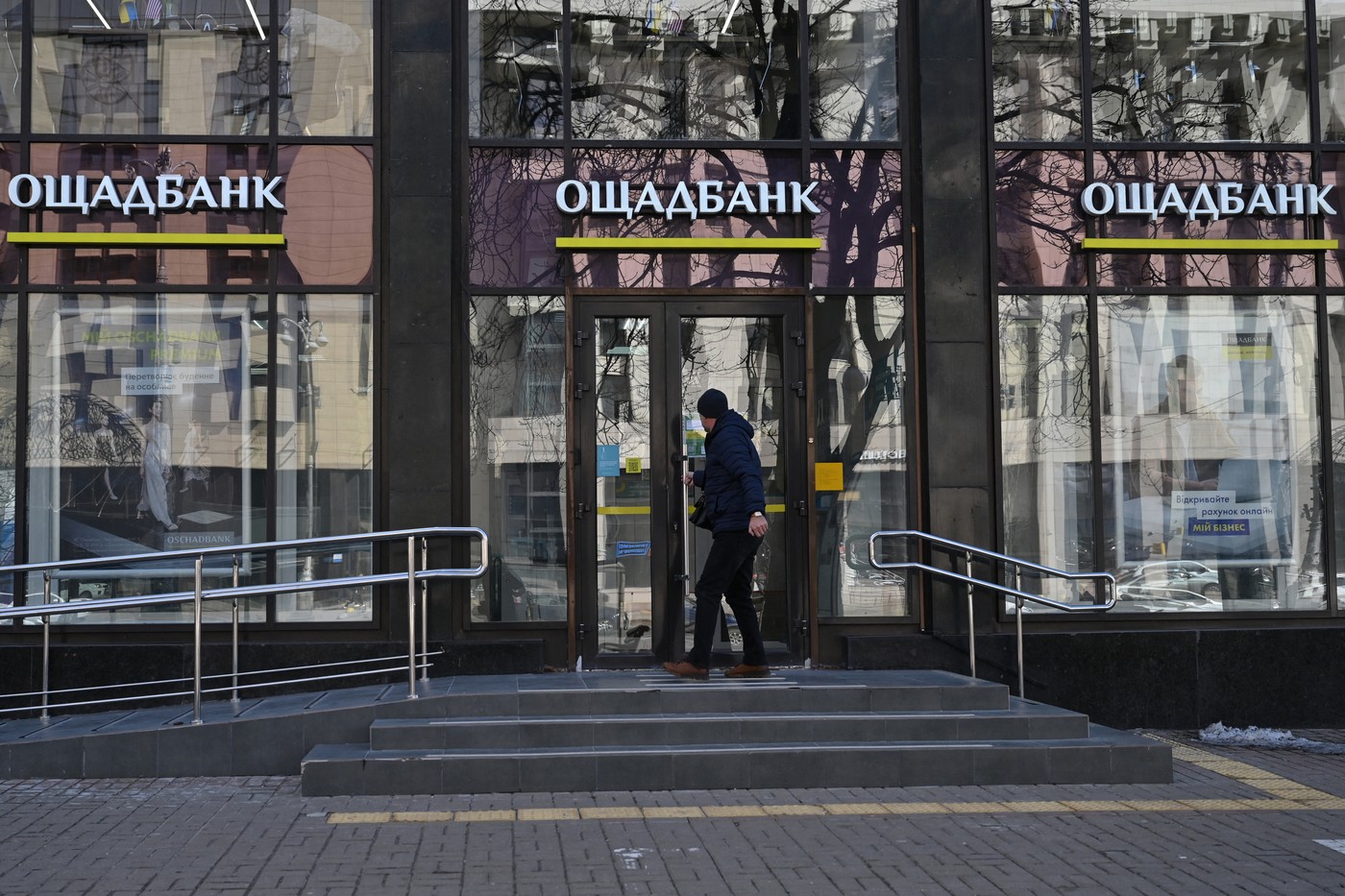
“An important step in relations with Hungary – today the funds and valuables of Oschadbank, which were seized by the Hungarian special services in March of this year, were returned,” Zelenski wrote in a message published on social networks.
“I am grateful to Hungary for its constructive approach and this civilized gesture. I thank all the members of the Ukrainian team who fought for a fair decision and defended the interests of our state and our people,” added the leader from Kyiv.
Ukrainian state-owned bank Oschadbank has demanded the immediate return of cash and gold bars seized by Hungarian authorities in March, lawyers representing the bank in Hungary told Euronews.
The incident sparked a diplomatic crisis after Hungarian police swooped on a convoy of carriers near Budapest and seized $40 million, 35 million euros and 9 kilograms of gold.
Hungary expelled seven Ukrainian nationals accompanying the shipment the next day and opened an investigation into suspected money laundering.
Law firm Horváth Lawyers, which represents Oschadbank and the bank's seven employees in Hungary, told European television that the Ukrainian armored vehicles were making a routine transfer from Raiffeisen Bank in Austria to Oschadbank's headquarters in Kiev.
Ukrainian Foreign Minister Andrii Sîbiga accused Hungary of kidnapping and state terrorism, while his Hungarian counterpart Péter Szijjártó said the funds could be linked to criminal activities.
“The question is rightly raised whether this is the money of the Ukrainian war mafia,” said Szijjártó.
Out-of-office Hungarian Prime Minister Viktor Orbán ordered the government to seize the cash and gold for up to 60 days amid an ongoing money-laundering investigation.
Orbán, who led Hungary for 16 years until he was ousted in parliamentary elections on April 12, was widely regarded as the most pro-Russian leader in the European Union and had a particularly strained relationship with Kiev.
Orbán has repeatedly used Hungary's veto to block financial assistance to Ukraine and prevent the country from joining the EU bloc.
But incoming prime minister Péter Magyar offered last week to meet Zelenski to “open a new chapter in bilateral relations” and resolve a long-running conflict over the rights of ethnic Hungarians in Ukraine's western Transcarpathia region.
Late last week, the European Union finally approved a 90 billion euro loan for Ukraine after Hungary dropped its objections, ending a two-month impasse caused by Orbán's veto.
The progress came two days after Zelenski announced that the Drujba pipeline, which carries cheap Russian oil to Hungary and Slovakia, had been repaired and could resume operations.
The disruption of oil flows through Drujba was the basis for Orbán's decision to veto the loan in February. The last-minute deadlock outraged other EU leaders, who vehemently denounced it as an “unacceptable” attempt at “blackmail”.
Magyar, considered a more moderate successor to Orbán, has said he wants a reset in relations with Brussels and will evaluate the country's accession to the euro zone.
He is also seen as less irascible towards Ukraine, saying he wants Hungary to have friendly relations with all its neighbours.