The OLTCIT brand is back in the spotlight. Ford Otosan Romania has submitted an application for registration at the level of the European Union

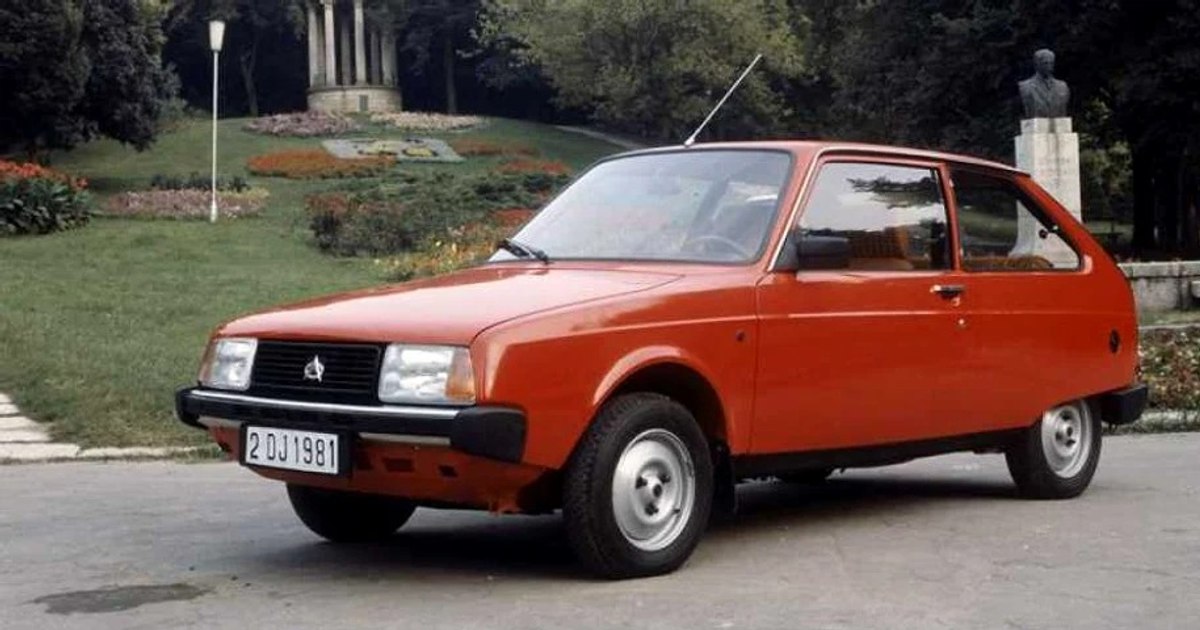
An emblematic name for the Romanian car industry returns to the foreground. The OLTCIT brand, symbol of one of the most important stages in the history of car production in Craiova, could be reactivated, after Ford Otosan Romania submitted an application to register the name at the level of the European Union.
An emblematic name for the Romanian car industry returns to the foreground. PHOTO: OLTCIT
According to the data available in the official EUIPO eSearch platform, the application for the OLTCIT brand was submitted on March 25, 2026, with Ford Otosan Romania as the owner. The request is currently listed as under review.
The mark was applied for in class 12, which includes vehicles, automobiles, electric vehicles, and auto parts and accessories.
OLTCIT appeared at the end of the 70s, following the partnership between the Romanian state and the French manufacturer Citroën, being one of the most famous industrial projects from the communist period. The cars produced in Craiova have remained in the collective memory as a symbol of the domestic car industry.
In 2022, Ford of Europe officially transferred the ownership of the Craiova plant to Ford Otosan, with the company then announcing investments of 490 million euros for the development of production capacities and the integration of the plant into the European strategy for the production of electrified vehicles.
However, representatives specializing in intellectual property point out that the filing of a trademark application should not automatically be interpreted as a signal regarding the commercial relaunch of the brand.
Radu Bozocea, representative of the intellectual property agency assisting Ford in the EUIPO procedure, explained that such steps have, first of all, a legal protection role. According to the specialist, registering a trademark can have several purposes: preventing unauthorized use, strengthening the intellectual property portfolio or preparing future strategic directions.
“Registering a trademark is, above all, a protective tool. It can serve to prevent unauthorized use, consolidate a portfolio of rights or prepare future directions,” he declared.
“In the case of historical brands, the prevention component is very important, because public interest in such names can generate speculative uses,” said Bozocea.
In recent years, many international companies have chosen to bring historical brands back to the present, relying on the emotional value and notoriety accumulated over time.
In the case of OLTCIT, the interest is amplified by the direct connection with Craiova, one of the most important centers of the automotive industry in Romania.