The doula phenomenon: Seeing the end of life through the eyes of a soul midwife / “Even if it doesn't take away the pain, it normalizes it”

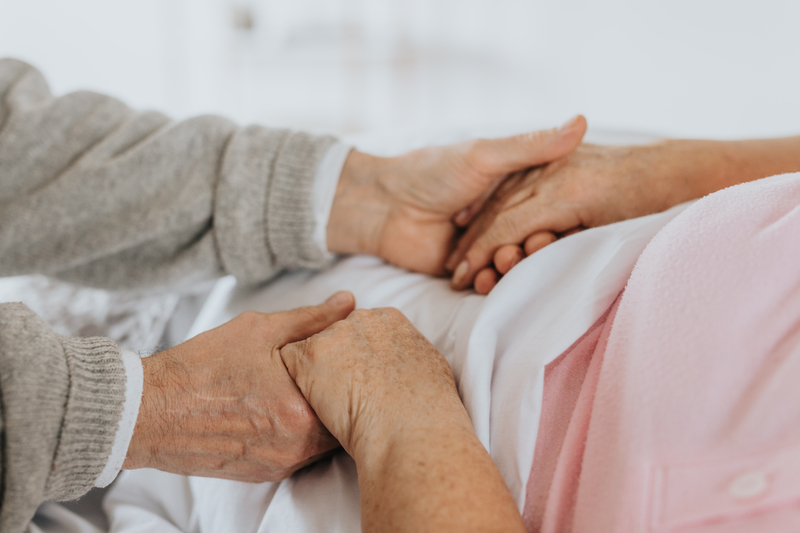
People today have “lost much of the knowledge of ordinary death”, says the head of a UK doula organisation, while the number of people providing end-of-life support is on the rise, according to the BBC.
More and more people are turning to non-medical support in the last moments of life. These companions, also known as doulas or soul midwives, provide support to families and explain the physical process of death.
Rita Ball is one of the people practicing this role in London. She has been working as a bereavement doula for three years and provides support to families and volunteers in National Health Service (NHS) centres. “It's an extremely intense experience, witnessing this life leave the world,” she says.
People often ask her what they are “allowed to do” when their loved ones are dying. “It's a real relief to tell them it's okay to hold them, kiss them, play music, talk to them.”
Ball says the silence that follows someone's death “can be overwhelming.” In such moments, doulas can sit with the mourners to tell about the last days.
Doulas or soul midwives have gained popularity in the last 10 years. In the year 2025, 114 people have joined such an organization in Great Britain, writes the BBC. End of Life Doula UK chief executive Emma Clare says this figure is a significant increase on previous years.
Celebrities such as Nicole Kidman and Ruby Wax have announced they are taking courses to become doulas for terminally ill patients. TV presenter Davina McCall plans to do the same after retirement.
Depending on training, a doula can cost between £25 and £45 per hour. However, there are also people who offer these services for free.
The testimony of a family
There are also families who turn to these services before death. Fanny Behrens contacted doula Sarah Parker ten months before her husband died of cancer. “It was incredible to be able to talk to someone who wasn't family, who wasn't involved, and who could just be there while I was overwhelmed with grief,” the woman said of her experience with the doula.
The doula encouraged Fanny Behrens to address difficult questions with her husband on his deathbed, including where he wanted to be buried and how he wanted his funeral to be. The doula also helped her deal with the formalities of the death, such as contacting funeral homes and registering the death.
Although Parker came to be primarily a source of support for Fanny Behrens, she also supported her husband. The woman remembers how Parker explained to her the process by which the body begins to cease its functions in the last days of life.
“There's something special about being with someone who knows the process very well, who is pragmatic, used to it and compassionate, that really helps,” says Behrens. “Even if it doesn't take away the pain, it normalizes it in a way.”
Emma Clare states that most people's image of death comes from movies or sudden death cases. By explaining the physical process, doulas help remove fear.
When people are dying, their body temperature and breathing change. At the end, there may be a sound of heavy breathing, called the “death hiss”. Sarah Parker states that this sound can be frightening for those present in the room. “If you've already told them to expect it, it can be easier to bear,” she adds.
Krista Hughes, who works at the Mulberry Centre, says it's important to develop a bond with the person who is dying. “When someone is born, they are born into loving arms, and hopefully that person can die in loving arms,” she states.
Hughes remembers one person who wanted to die in a garden but could not because of medical interventions. She recreated an imaginary garden using imagery, lavender oil and the sound of birdsong.
Some people in this field also provide support after death. Rita Ball says she visited funeral homes on behalf of families and helped organize memorial services. Others spend time in the community raising awareness, including holding “death cafes” to “open conversations” while serving tea and cakes.
On “the ability to design our own death”
Marian Krawczyk is a researcher at the University of Glasgow and founder of the End-of-Life Doula International group. She states that end-of-life care needs to evolve because the way people die has changed.
Today, fewer people die from accidents or short-term infectious diseases, and more people live for many years with life-limiting diseases.
“There are also expectations about lifestyle choices in every aspect of our lives,” she says, “including the ability to design our own death.”
Although some believe that doulas can help with this, there is no regulation or compulsory training in the activity in the UK. So there have been concerns about the risk of opportunism around vulnerable people.
“The reality is that adequate end-of-life care is a lottery,” says Krawczyk. She believes that doulas can help fill these gaps in care.
Photo source: Dreamstime.com