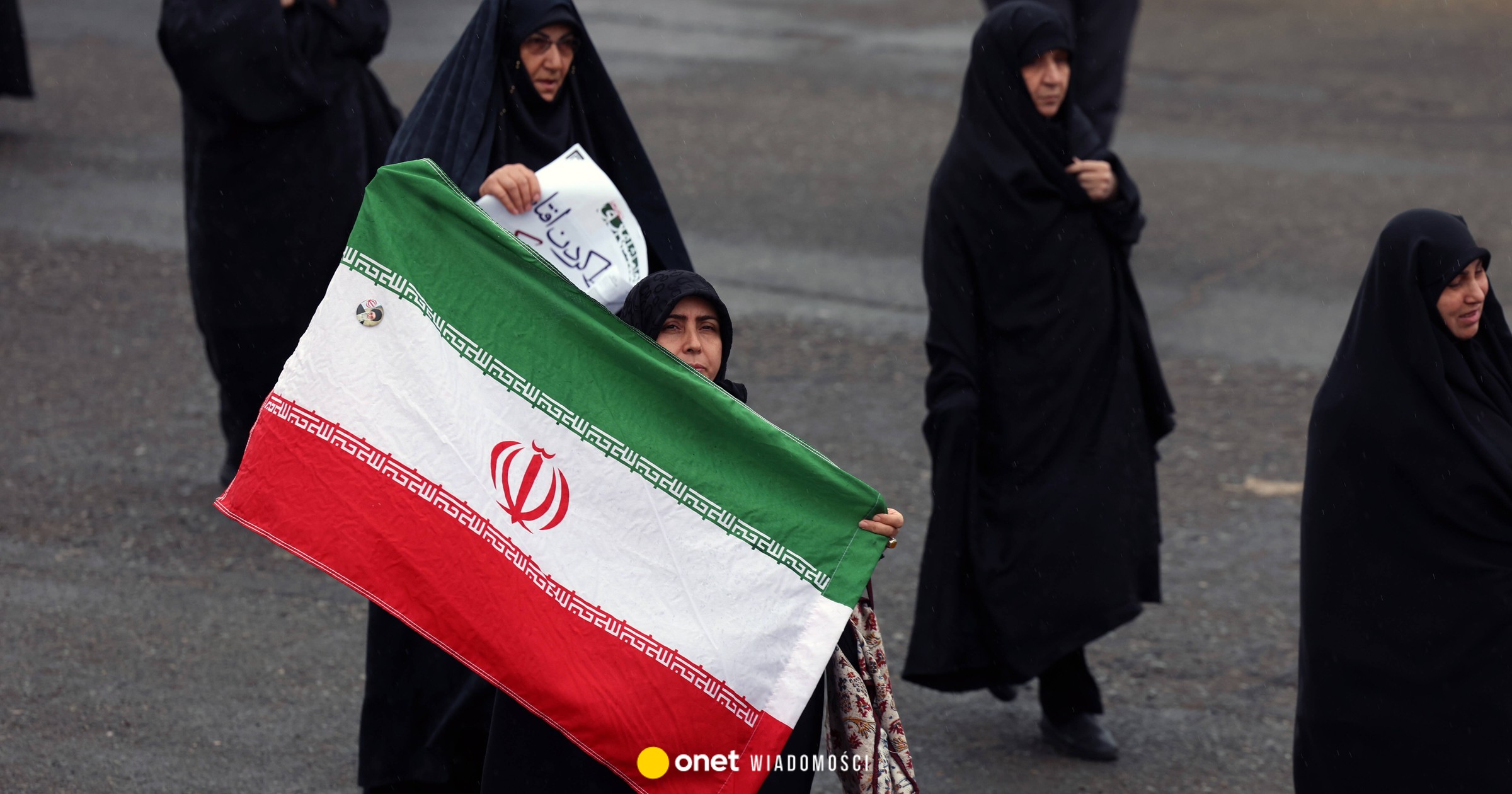
US President Donald Trump has told his advisers that he wants to maintain and possibly extend the naval blockade of Iranian ports, in a strategy aimed at forcing Tehran back to the negotiating table, according to sources close to the talks in the Washington administration.
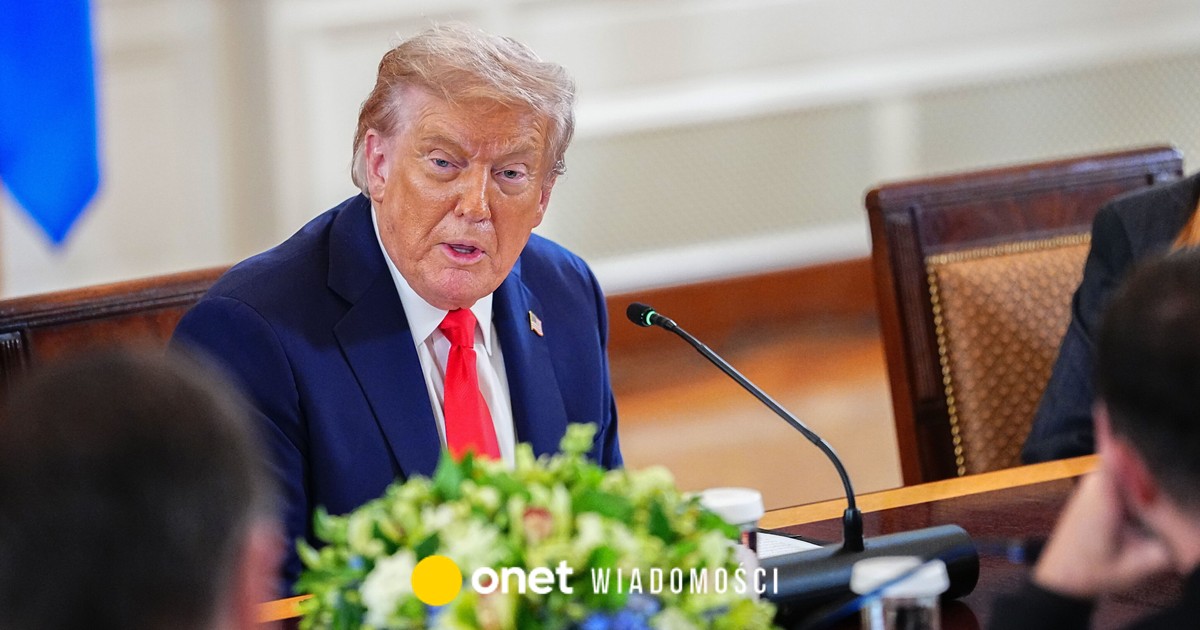
Donald Trump Photo: Profimedia
The White House plan currently includes a possible extension of restrictions on the Strait of Hormuz, one of the most important energy transport routes globally.
The stated objective of the strategy would be to increase economic pressure on Iran without resuming direct military attacks, according to CNN.
According to the same sources, the US administration is counting on the idea that intensified economic pressure could lead the authorities in Tehran to accept negotiations on the nuclear program, but there is skepticism within the US state apparatus about the effectiveness of this approach.
The naval blockade and restrictions in the Strait of Hormuz area have already led to an increase in fuel prices on international markets, generating knock-on effects on the global economy.
Pentagon sources have told US lawmakers that so far the costs of military operations related to the conflict with Iran have reached about $25 billion, increasing political pressure on the Trump administration.
Tough messages from the White House
The US president has taken an increasingly assertive tone in public statements in recent days, arguing that a naval blockade is a more effective method than bombing to force Iran to yield.
“Blockage is more effective than bombing. They suffocate,” Trump said in a recent interview, adding that Iran “it cannot have a nuclear weapon.”
In another intervention, he suggested that Iran's energy infrastructure could suffer irreversible damage due to economic pressure, saying that “the system will fail from within.”
In parallel, diplomatic talks between Washington and Tehran remain deadlocked. US officials say Iran recently submitted a proposal to restart dialogue, but it would not clearly address the issue of the nuclear program, which the US administration considers essential.
Secretary of State Marco Rubio stated that although the Iranian proposal is “mbetter than expected”this does not meet Washington's main goal: preventing Iran from obtaining a nuclear weapon.