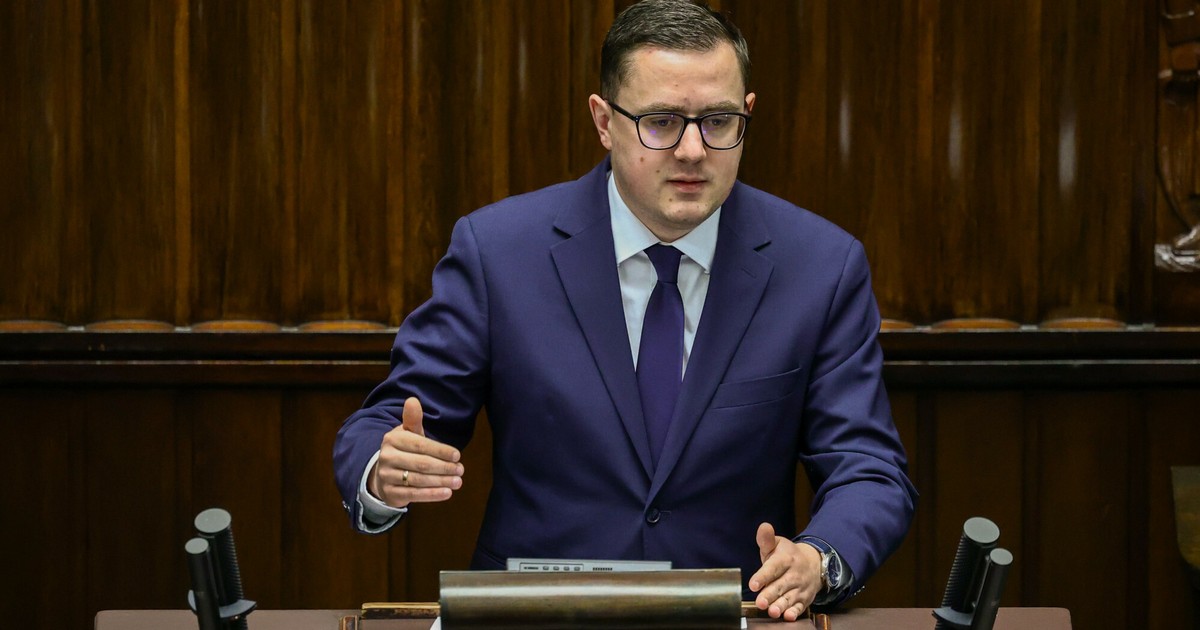
A fixed price guarantee, protection against power cuts and a digital revolution in connections are just some of the changes signed by President Karol Nawrocki.
Read also: The blockade of Hormuz raises oil prices. Trump gives an ultimatum to Iran
The Ministry of Energy emphasizes that the reform is a response to the most pressing problems of the sector: bureaucracy, blocking of connection capacity and lack of price predictabilityj. The new regulations are intended not only to unlock billions of investments in renewable energy, but above all to give control over the bills to consumers.
Fixed price and no more “sudden darkness”
The most important change for households is the radical strengthening of their position in the clash with energy giants. The Act introduces a number of protective instruments:
- fixed price guarantee: energy sellers are now obliged to offer fixed-term contracts with a fixed price guarantee. This is a key protection against sudden spikes in rates on stock exchanges,
- protection against energy poverty: people having difficulty making payments will not have their power cut off overnight. They will be able to apply for the debt to be divided into installments or for part of the debt to be written off,
- seller support programs: energy companies must develop special aid programs for the so-called sensitive recipients,
- readability of contracts: no more “small print”. Each recipient will receive a concise summary of the key terms of the contract, including clear information whether the price is fixed, variable or dynamic.
Read also: PIT 2025 settlement after the deadline. What threatens late taxpayers?
Investment acceleration. No more network blocking
The reform is to be a cure for the so-called bottlenecks in the Polish power industry. The process of connecting new energy sources to the grid is to become simpler and fully digital.
“We are introducing a new standard for the connection process: shorter time, less formalities and full transparency. Investors will gain access to public data on free connection capacities,” notes the Ministry of Energy.
The new law attacks the so-called blocking power by projects that are never built, freeing up space for real investments in energy storage and renewable energy installations. Importantly, consumers will be able to have more than one energy consumption point within one connection.
The amendment focuses on the diversification of energy sources, giving special status to biogas plants. They have been recognized as a stable foundation for local energy security.
The last pillar of the reform is increasing the resistance of the National Power System (NPS) to cyberattacks and failures. Thanks to the digitization of applications and reporting, the flow of information between the operator and the market is to be smooth, which will minimize the risk of errors and allow for faster response in situations of threat of blackout.