
Trump has told his advisers to prepare for a prolonged blockade of Iran. What does this mean?

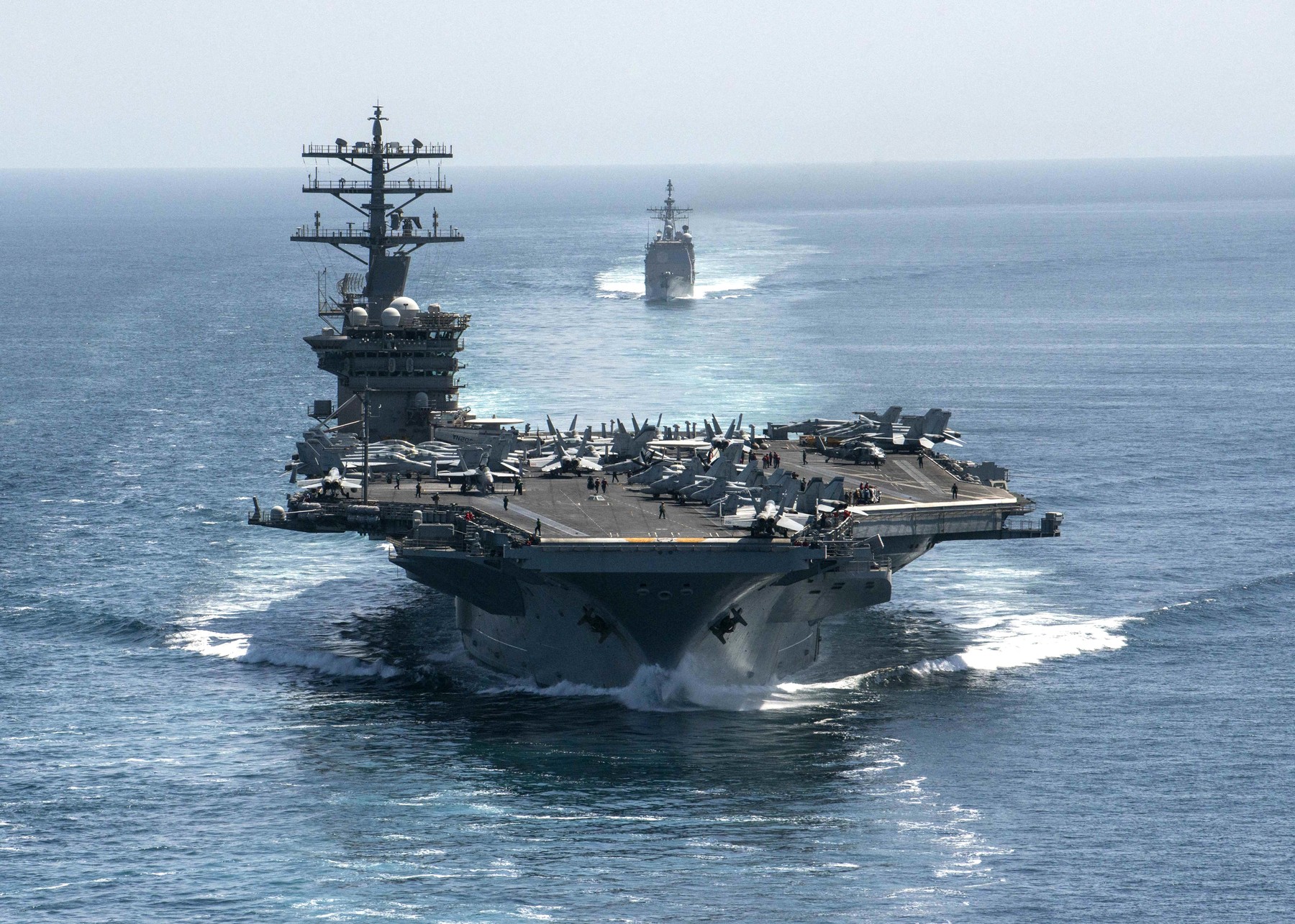
Donald Trump on Wednesday urged Tehran to accept negotiations with the US and sign a deal, with the Wall Street Journal reporting that the president is ready to continue the blockade imposed on Iran, which is squeezing the regime economically but causing problems for the rest of the world.
President Donald Trump has asked his advisers to prepare for a prolonged blockade of Iran, US officials said, cited by the Wall Street Journal.
The strategy is an attempt to force a capitulation from Tehran in the negotiations that it refuses to carry out under the conditions imposed by the US.
The White House leader believed that the other options, resuming the bombing or withdrawing from the conflict, posed a greater risk than maintaining the blockade, the officials said.
The blockade imposes major economic pressure, hampering Tehran's oil exports.
At the same time, the continued blockade is fueling a spike in global energy prices, which is affecting the entire world, including the US – and by implication Trump's popularity ahead of November's midterm elections.
A rejected offer
Since ending the bombing campaign in Iran in the April 7 ceasefire agreement, Trump has repeatedly refrained from escalating the conflict, opening up space for diplomacy after previously threatening to destroy the entire Iranian civilization.
But he still wants Tehran to accept his terms, mainly giving up enriched nuclear material and further enrichment.
Tehran has proposed to the US reopening the Strait of Hormuz and lifting the blockade as a quick way to end the conflict, leaving negotiations on the nuclear program for a later phase.
On Monday, Trump told his advisers that the offer showed Tehran was not negotiating in good faith.
White House spokeswoman Anna Kelly said the United States had met the military objectives of Operation Epic Fury and that “due to the successful blockade of Iranian ports, the United States has maximum leverage over the regime” in negotiations to prevent Tehran from obtaining a nuclear weapon.
“The president will only accept a deal that protects our country's national security,” she said.
The problem of negotiations
Hopes for a quick resolution to the conflict have dimmed since Trump canceled last weekend a visit by special envoy Steve Witkoff and his son-in-law Jared Kushner to Pakistan, the mediating country.
Iranian Foreign Minister Abbas Araqchi visited the country twice over the weekend.
One of the problems in the negotiations concerns the complicated equation within the regime in Tehran.
Since several high-ranking Iranian political and military officials have been killed in the US-Israeli attacks, Iran no longer has an undisputed leader at the pinnacle of power.
The assassination of Ayatollah Ali Khamenei on the first day of the war and the appointment of his wounded son, Mojtaba, as supreme leader in his place have given hardline commanders in the Islamic Revolutionary Guard Corps more power, Iranian officials and analysts say.
Trump, under pressure
Trump is also under domestic pressure to end the war.
His approval rating fell to the lowest level in his current term as Americans grew increasingly dissatisfied with his handling of the price issue and the war, according to a Reuters/Ipsos poll.
Oil prices rose nearly 3 percent on Wednesday. On Tuesday, the World Bank forecast energy prices would rise 24 percent in 2026, the highest level since Russia's full-scale invasion of Ukraine four years ago, if the most acute disruptions caused by the Iran war end in May.
U.S. intelligence agencies, at the request of senior administration officials, are now looking at how Iran would react if Trump declared a unilateral victory in the two-month-old war that has become a political burden for the White House, two U.S. officials and a person familiar with the situation told Reuters.


