A 16th-century castle will host the meeting that EU leaders want to be decisive for the bloc's future. Talks of US-China rivalry after Emmanuel Macron's grim warning


European Union leaders will meet in a Belgian castle on Thursday for closed-door talks on how the bloc can compete economically with a global rival like China and an increasingly unreliable ally like the United States, at a time when the rules-based world order is eroding.
Over the past two decades, the EU's economic growth has consistently been weaker than that of the United States, and productivity and innovation in the EU bloc, particularly in areas such as artificial intelligence (AI), has lagged behind both the US and China.
The EU now also faces tariffs imposed by Donald Trump and restrictions imposed by China on exports of critical minerals on which the 27-nation bloc depends.
Reuters points out that, needing more wealth to finance decarbonisation and digitalisation and to bolster its defenses against an aggressive Russia, the EU has become increasingly aware that now is the time for action.
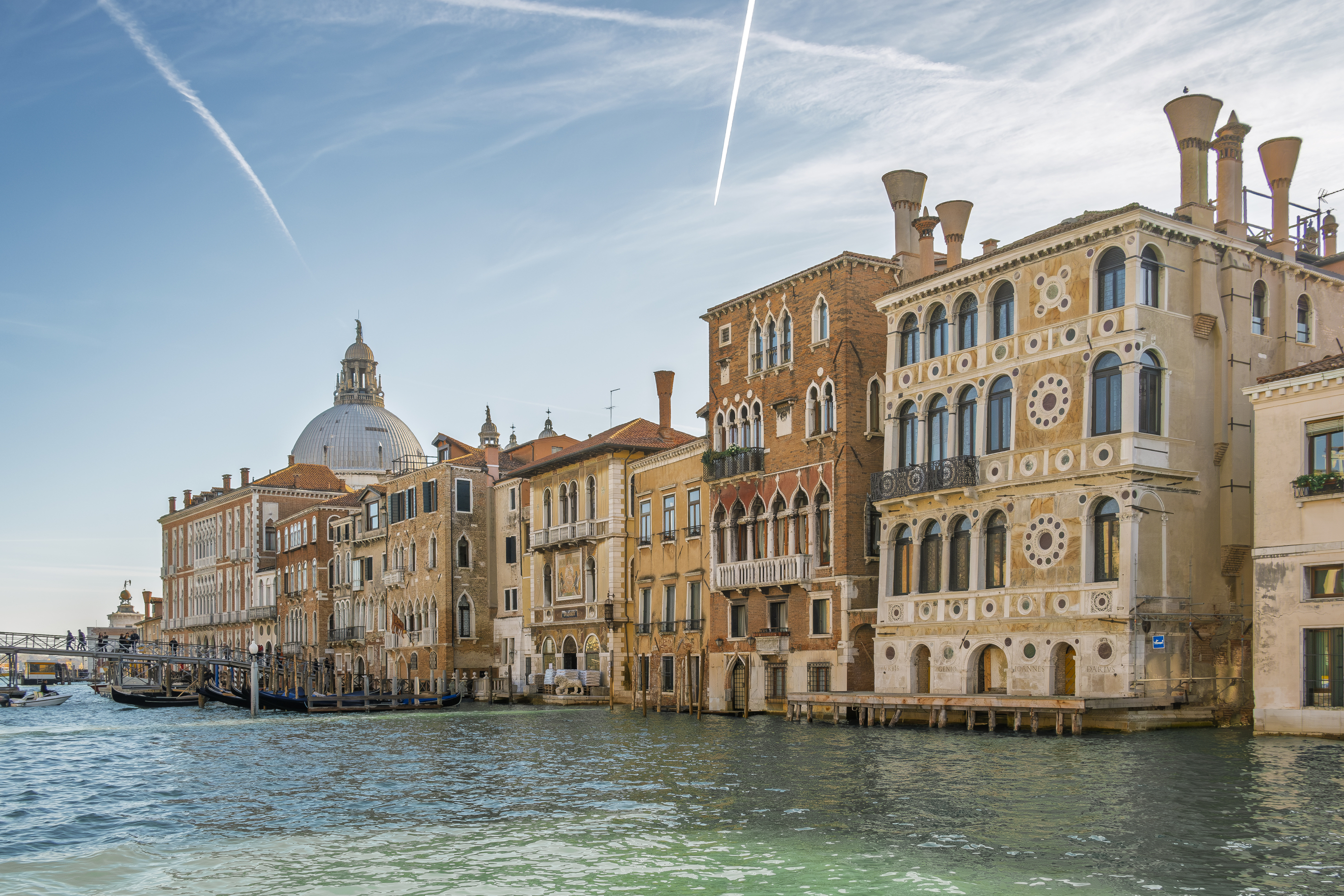
Antonio Costa, the president of the European Council who chairs EU summits, will host European leaders at the 16th-century Alden Biesen castle in eastern Belgium to discuss what action should be taken.
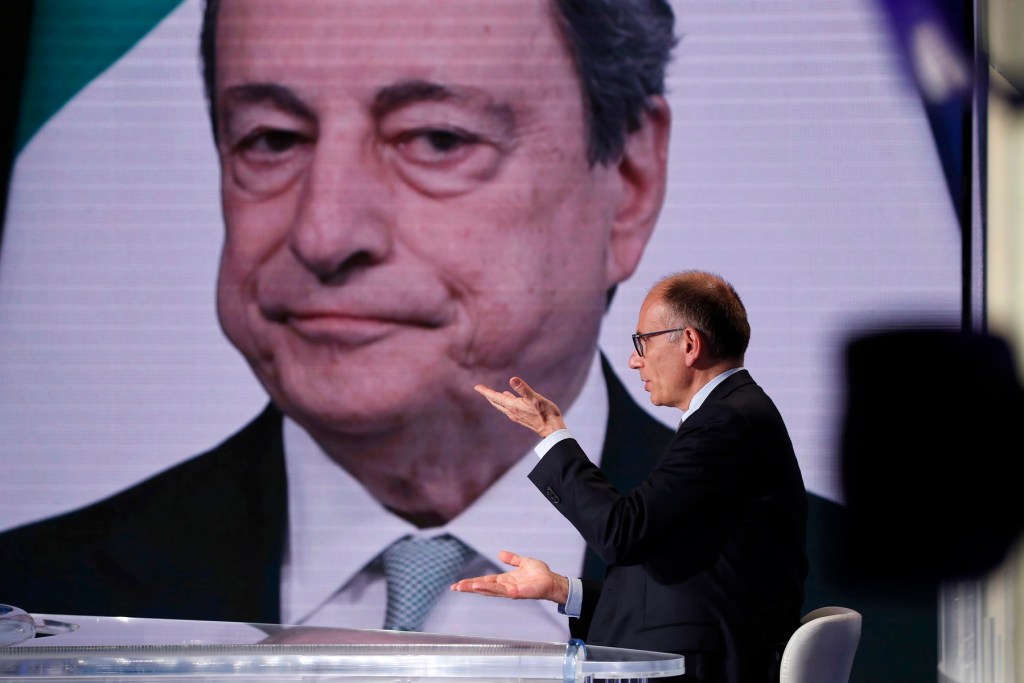
Former Italian prime ministers Mario Draghi and Enrico Letta, authors of two influential 2024 reports on the EU's competitiveness challenges and its single market, are also invited to share their views.
But Reinhilde Veugelers, senior researcher at the Bruegel think tank, was skeptical that Thursday's brainstorming session would produce more than just a “nice statement”.
The EU needs an answer to Trump, China and Russia
The report by Draghi, former president of the European Central Bank, was adopted as an action plan that the EU should follow. In this sense, the European Commission led by Ursula von der Leyen has drawn up and published, starting from September 2025, a series of documents on the financing, defense and reduction of regulations in the EU bloc.
However, the “Draghi Observatory”, an office of the European Policy Innovation Council think tank that monitors the implementation of its 383 recommendations, says that by January 2026 only 15% had been implemented, and another 24% only partially. Progress, the body says, has been gradual rather than one that leads to real, powerful transformations.
Letta said the glass is “half full” on deepening the single market, with some progress on critical initiatives such as services and capital. He also said the EU must complete an energy union, a digital union and a Union-wide capital market capable of competing with US investment in new companies and infrastructure.
His key message to leaders would be to commit to a deadline: completing the EU's single market by 2028.
“I think this is the only way to respond to Trump and the external pressures that the European Union is under from China, Russia and the United States in different ways,” he told Reuters.
The warning of the French president, who leads the “Made in Europe” offensive
Although all EU states want a more competitive bloc, they disagree on how this can be achieved.
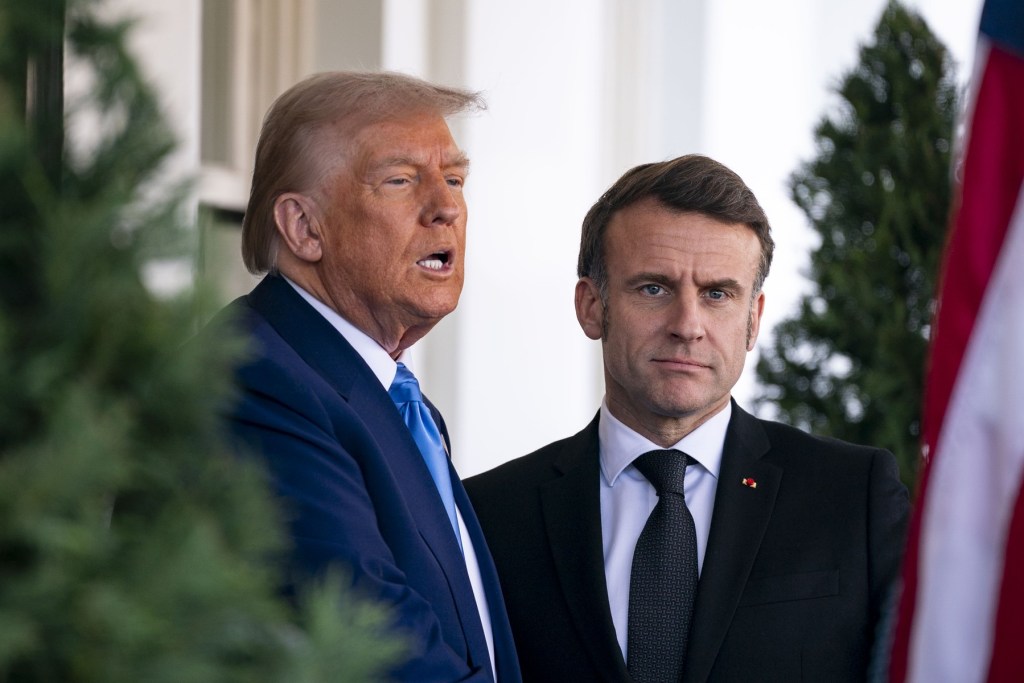
French President Emmanuel Macron on Tuesday renewed his call for the EU to use more common debt to invest on a large scale and challenge the hegemony of the dollar. In a grim warning, he said Europeans should no longer have any illusions about relations with the US.
Recalling the crisis caused by President Trump's claims over Greenland, the leader from the Elysee Palace said that “at the end of the peak moment of the crisis, there was a faint sense of relief”. Donald Macron was referring to Trump's first ruling out in a speech last month at the World Economic Forum in Davos the use of force to gain control of the vast island, an autonomous territory of Denmark.
“Just like in the summer of 2025, after the EU and the US signed the tariff agreement. There were threats and intimidation. Then, suddenly, Washington backed down. And people thought it was all over. But don't believe that for a second. Every day there are threats related to the pharmaceutical sector, to digital technology…”, warned Emmanuel Macron in an interview published by several major newspapers in Europe.
“When there is a clear act of aggression, I think what we should do is not bow our heads or try to reach an agreement. I think we have tried this strategy for months. It is not working,” the French leader told several publications, including Le Monde and the Financial Times.
Macron said the Trump administration is “openly anti-European” and aims to “disintegrate” the European Union.
“The United States will attack us in the coming months – that's for sure – on digital regulation,” Macron added, warning of possible import duties imposed by Trump if the EU uses the Digital Services Act (DSA) to regulate the activities in Europe of major US tech companies such as Meta or Amazon.
“The bright side of European problems”
France is also promoting a “Made in Europe” strategy, which would set minimum European-produced content requirements for goods purchased with public money. This approach has divided EU countries and alarmed carmakers, who source many car components from outside the Union.
Germany argues that increasing productivity, not accumulating new debt, is the key. Berlin also stresses the need for trade deals, such as the one with the South American bloc Mercosur, which France rejects because of opposition from French farmers.
Ahead of Thursday's meeting, German Chancellor Friedrich Merz and other European leaders will meet business executives in Antwerp on Wednesday for an industry summit aimed at articulating the demands of Europe's business environment.
“The good thing about European problems is that Europe could solve them on its own if it really wanted to. Because a lot of it is about flexibility, less bureaucracy, more flexible labor laws,” Siemens Energy CEO Christian Bruch told Reuters.