Heavy blow to Dubai chocolate. The recipe, in danger of being changed because of the war in Iran

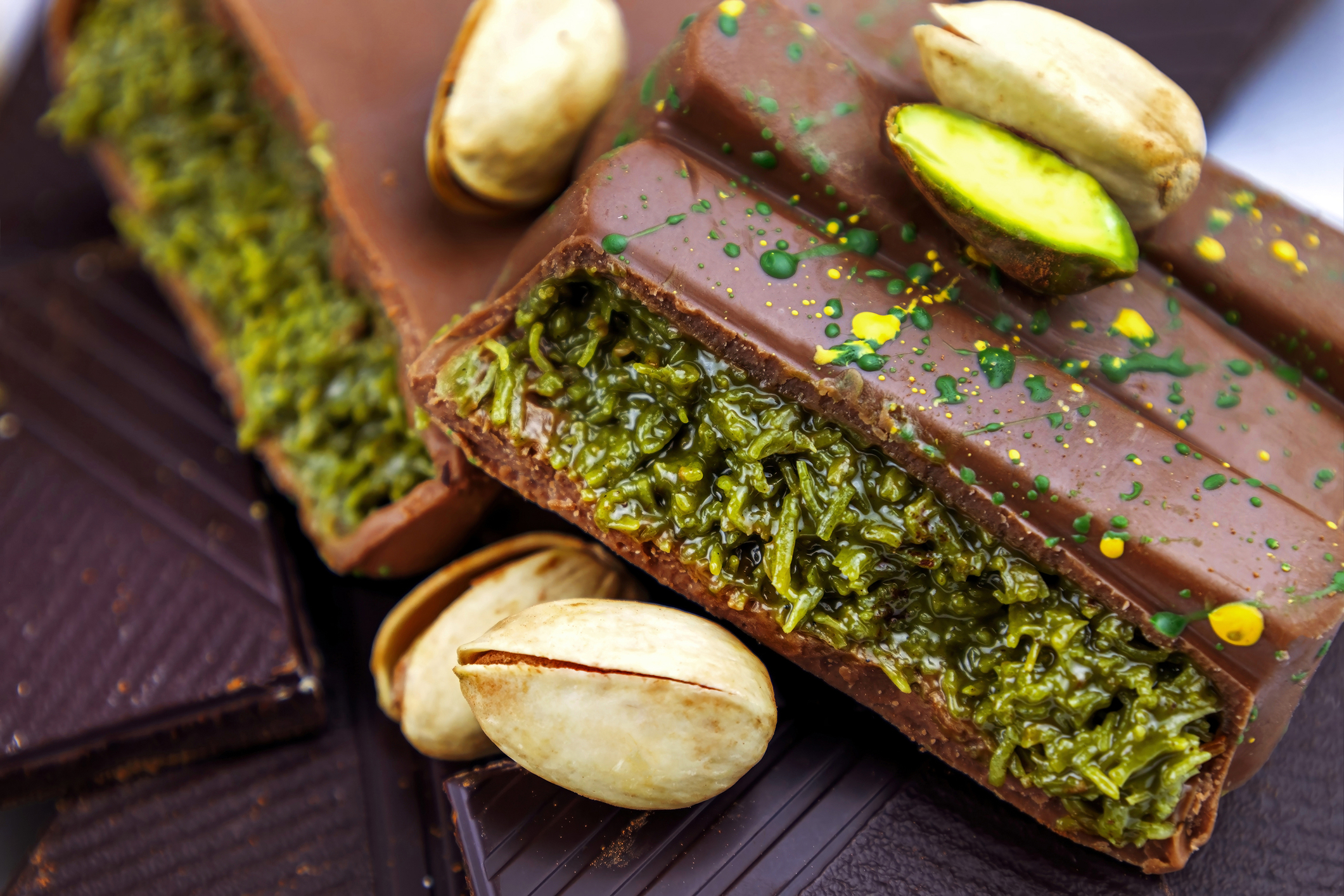
The conflict in the Middle East complicates the exports of Iran, one of the world's largest producers of pistachios, and puts pressure on an already tight market, writes the Financial Times.
The war in Iran has driven pistachio prices to their highest levels in years, disrupting supply at a time when growing consumer appetite for pistachio-based foods such as Dubai chocolate has led to a sharp increase in demand, Agerpres notes.
“It's like gambling – we don't know what price to sell at,” said Behnam Heydaripour, chief executive of London-based wholesaler Borna Foods.
According to the US Department of Agriculture, in recent years Iran has been responsible for about a fifth of world pistachio production and up to 25 to 30 percent of global exports. But traders say moving Iran's pistachio crop has become increasingly difficult as the US-Israel war against Iran disrupts logistics across the Middle East.
“The war has amplified existing constraints,” said Nick Moss, an analyst at Expana, adding that the problems “are piling up.”
The price of pistachios, at the highest level in recent years
The price of pistachios rose to about $4.57 a pound in March, according to Expana, the highest level since 2018. Demand has been fueled in part by the Dubai chocolate craze. This has contributed to a wider boom in pistachio flavored products.
On the other hand, the pistachio harvest was already under pressure before the war. 2025 harvests in major producers, including the US, Turkey and Iran, were below expectations, with Iran's crop affected by drought. Iran's exports have also been hampered by sanctions and domestic unrest. Periodic communications outages this year have made it difficult to coordinate sales, slowing the flow of goods even before the fighting begins.
“It's difficult to talk to suppliers in Iran because their internet has been shut down. I can't answer emails,” Heydaripour said.
The war compounded these problems. Shipping companies have canceled or rerouted voyages, delaying cargo and increasing costs. Shipping of pistachios to key markets including the Middle East and India faced disruption.
The problems “are manageable for now,” Moss said, but have a “significant impact on time and cost.”
Main export route, severely disrupted
Behrooz Agah, a board member of the Pistachio Association of Iran, said the war had severely disrupted the main export route through Bandar Abbas port in the Strait of Hormuz, although exports continued via land routes, but with additional costs and delays.
“Currently, the alternative route for sending pistachios to the Indian market is through Turkey's Mersin port and the Suez Canal, which is significantly more expensive and time-consuming. For shipments to the Chinese market, the rail route is available, although it is also expensive and complicated,” said Behrooz Agah.
The Middle East plays a central role in the pistachio trade, acting not only as a major consumer but also as a transit hub. Large volumes of Iranian pistachios are usually routed through countries such as the United Arab Emirates and Turkey before reaching global buyers.
The disruption comes at a critical time, Heydaripour said. “We're coming up to summer, and in the summer we traditionally sell a lot because of ice cream.”
“We are trying to replace Iranian pistachios, but there is a problem”
Buyers are turning to alternative suppliers, especially the US, which accounts for about 40% of global production. US exporters have already sold most of the available stock.
“We are trying to replace Iranian pistachios, but there is a problem. Iranian pistachios contain a high level of oil compared to other origins. That makes a big difference in terms of taste,” Heydaripour said.
One of his clients is a large British baklava manufacturer. “You can't substitute Iranian pistachios for American pistachios because when you put them in the oven, they will burn until they're dry,” Heydaripour points out.
The search for alternatives is beginning to be reflected in prices. Traders are reporting spikes in some spot markets in the Middle East and India.
“If Iranian pistachios remain unavailable for an extended period, prices could continue to rise,” Moss said.
Dubai chocolate with pistachio cream. PHOTO: © Boerar | Dreamstime.com