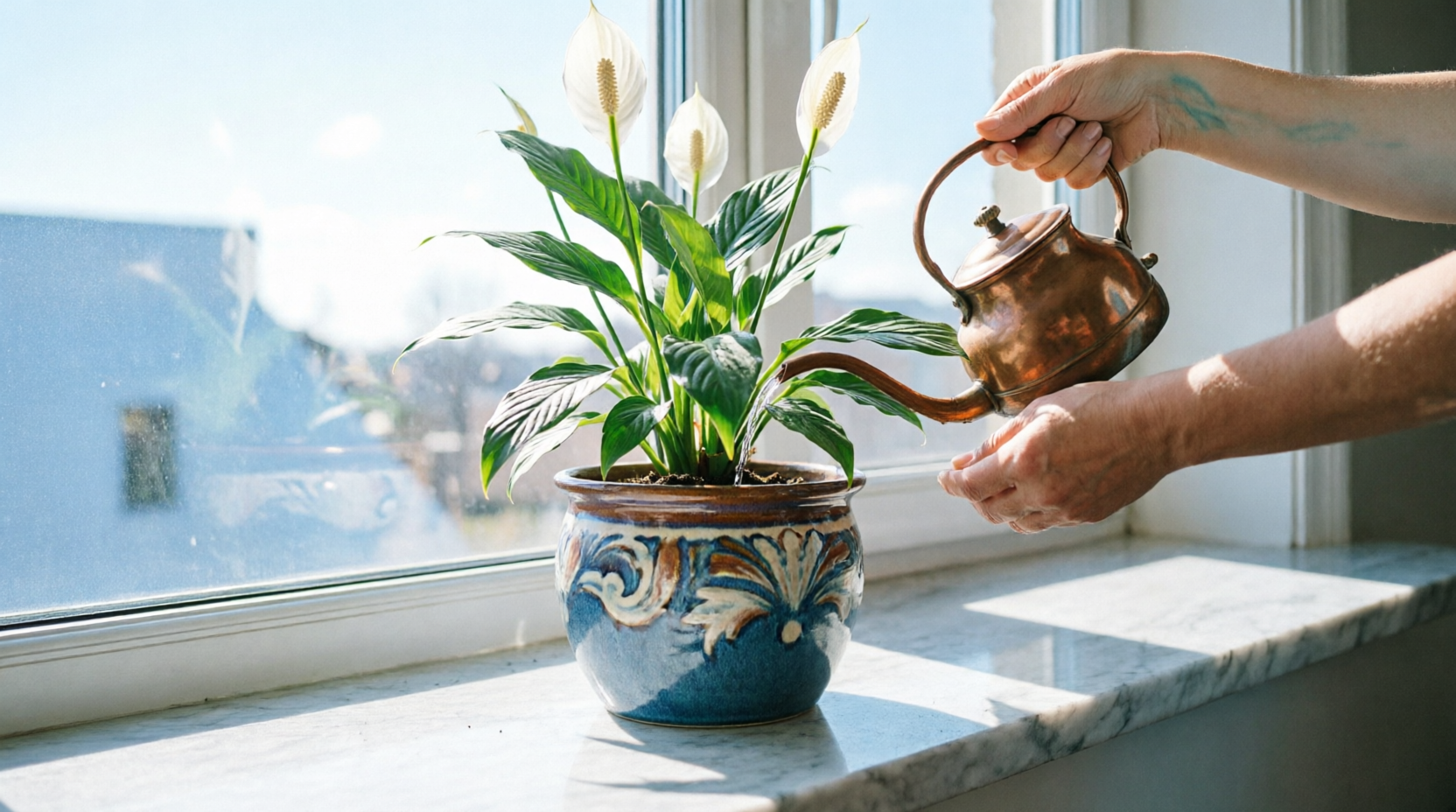
Spathiphyllum is an incredibly beautiful and popular indoor plant. However, many flower growers are faced with the fact that “female happiness” refuses to produce snow-white inflorescences.
In this case, ordinary baker’s yeast, which every housewife has, will come to the rescue, reports the channel “Your Flower” (18+).
Composition and effect of yeast nutrition
Yeast contains protein, which during fermentation breaks down into ammonium and active substances. It also contains B vitamins, ascorbic acid and trace elements. After entering the soil, the yeast continues to work, maintains beneficial microflora and suppresses pathogenic bacteria.
How to prepare a working solution
An incorrect proportion is often found on the Internet: for 10 liters of water it is advised to take 10 g of dry yeast instead of 100 g of pressed yeast. This is a mistake. When replacing live yeast with dry yeast, the ratio should not be 1:10, but 1:3, that is, for 10 liters of water – 30 g of dry yeast.
However, this volume of feeding is too much for one spathiphyllum, so the remaining solution can be used for other plants.
If no other colors are available, reduce ingredients proportionally. Also be sure to add sugar (2 tbsp) to the fertilizer to speed up fermentation.
How to use yeast nutrition for spathiphyllum
Before flowering, water the plant at the root and spray on the leaves. While the bush is growing green mass, apply fertilizer every 2 weeks:
- water first over wet soil;
- After 3 days, spray one leaf at a time.
After the buds appear, use yeast fertilizer only if there are obvious signs of nitrogen deficiency, and when spraying, make sure that the liquid does not get on the white covers of the inflorescences.