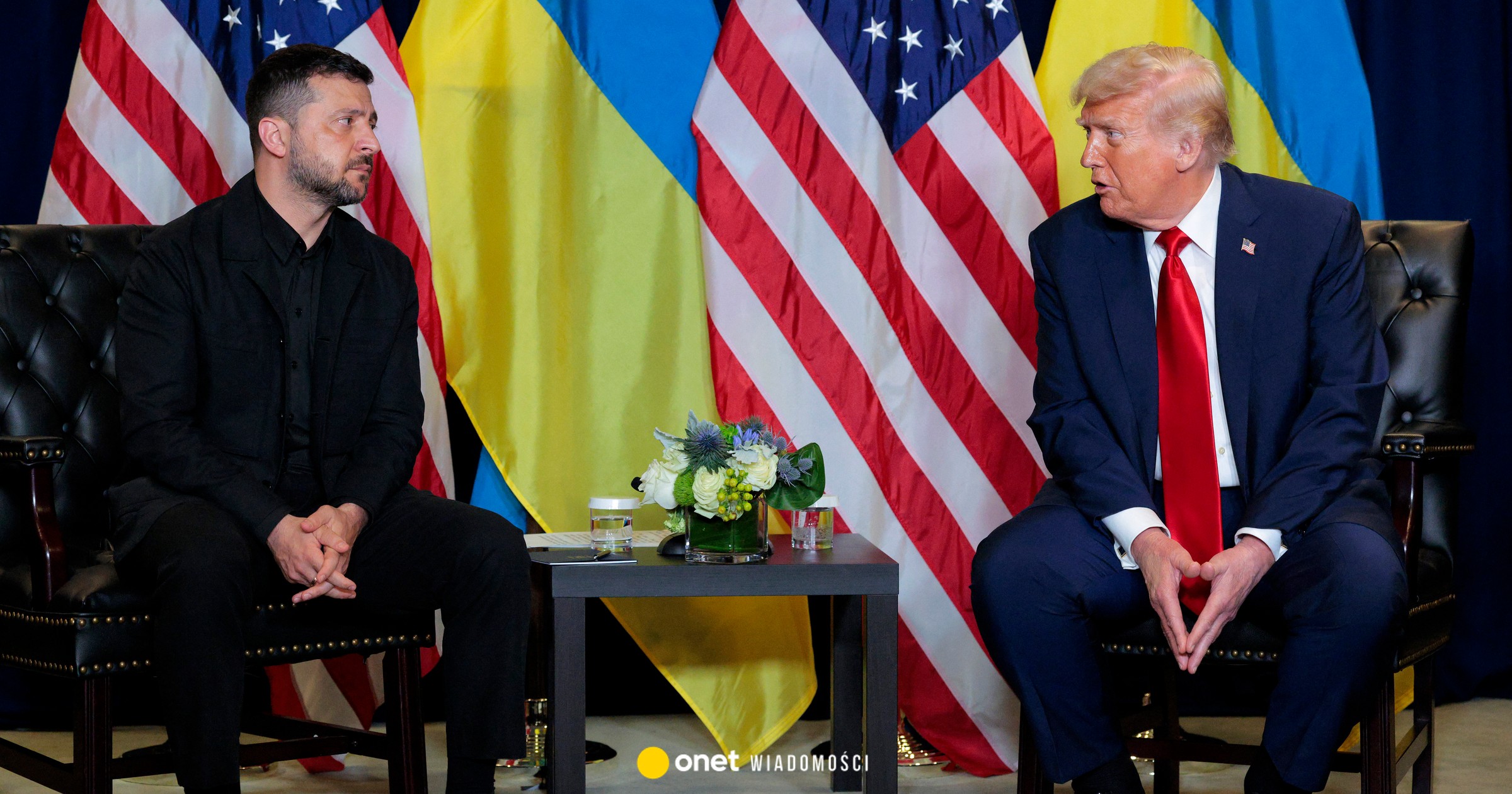
President Trump says Iran's regime is “seriously fractured.” The reality, however, is more nuanced

President Donald Trump has extended a ceasefire to give Iran time to come up with a “unified” proposal, describing the government in Tehran as “seriously fractured”. The White House says Iran's absence from a second round of talks with Vice President JD Vance, which was due to take place in Pakistan, shows how divided Iran's leadership has become.
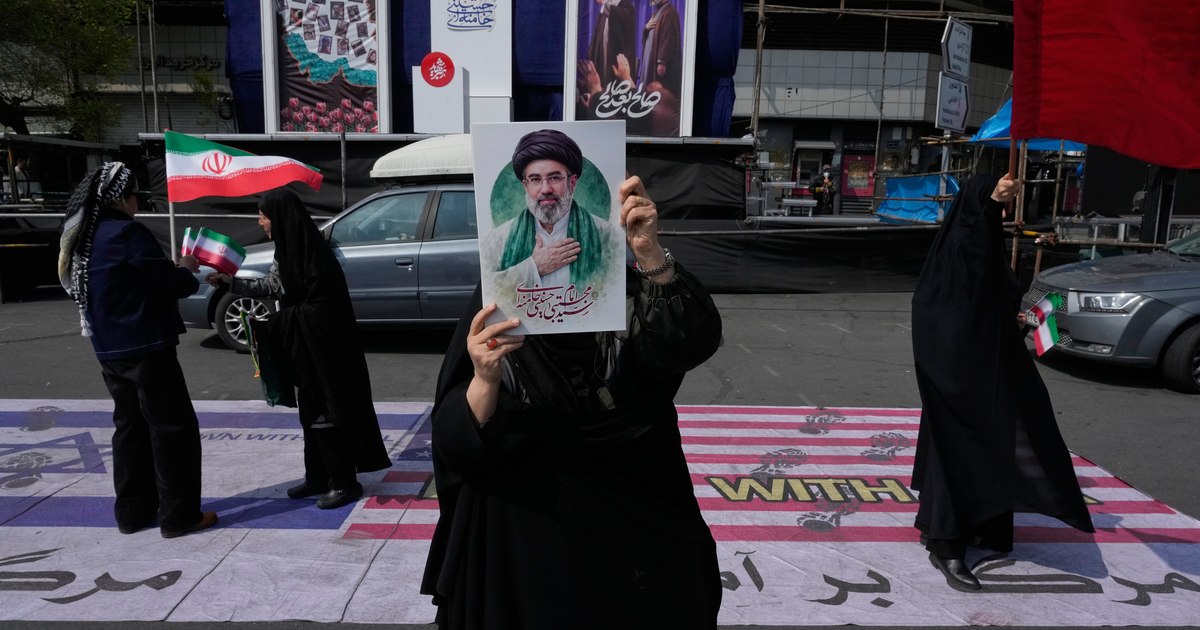
The absence from the public space of the new supreme leader interpreted differently by analysts/PHOTO: Profimedia
But Iran watchers see things differently. Tehran insists the United States must lift the blockade of Iranian ports before talks can resume. And many analysts believe that the leaders in Tehran are more united than suggested, reports CNN.
“I think this is a serious misreading of the Iranian leadershipProfessor Mehrat Kamrava from Georgetown University in Qatar tells CNN. “The leadership was quite cohesive, and this was seen both in the conduct of the war and in the negotiations.”
Since the United States and Israel removed the regime's top military and political leaders, including Ayatollah Ali Khamenei, governance in Iran has become much more complicated. A group of once-rival officials from across the Islamic Republic's political spectrum are now deciding the country's future under the threat of an existential war — and in the conspicuous absence of supreme decision-maker Mojtaba Khamenei, who succeeded his father as the new supreme leader.
These officials must balance their vision of Iran's future with internal pressures from radical groups refusing to accept defeat, but also with external pressures from Trump, eager to declare victory.
And yet, despite their political disagreements, this group appears determined to publicly project an image of unity — even as their views differ on how to handle the war and diplomacy with the US, experts say.
“Different factions of the Iranian leadership are now more aligned than before the war”explains Trita Parsi of the Quincy Institute. “Because it's a much smaller circle — and that circle is more united in terms of war strategy.”
Demonstrations of unity
Amid speculation about Iran's participation in this week's talks, Tehran has maintained a consistent public position: It will not participate. It accuses Washington of violating the ceasefire and not showing “seriousness in finding a diplomatic solution”.
Iran's political leadership has struggled to deny rumors of infighting and project a unified approach to both military objectives and negotiating strategy.
“Talk of divisions among senior officials is an old political and propaganda tactic of Iran's adversaries”Mehdi Tabatabai, the Iranian president's deputy spokesman, wrote on X on Wednesday. “The unity and consensus between the battlefield, the public and diplomats at this time is exceptional and noteworthy.”
The regime promoted an official to embody this unity: Mohammad Bagher Ghalibaf, the long-serving speaker of parliament and former commander of the Revolutionary Guards. He led the first round of negotiations with the US in Islamabad and is now seen as one of the main figures representing the Islamic Republic.
“Are there differences? Of course there are” says Parsi. But attributing the failure of negotiations not to Trump's conflicting messages but rather to a fractured Iranian leadership is, in his view, “out of touch with reality.”
War structures
Threatened with annihilation, Iran's leadership abolished the traditional system of rival power centers that had competed for nearly five decades. A new war structure has now brought together negotiators and political actors under a single military umbrella, designed to pull the Islamic Republic out of crisis without admitting defeat.
This war structure is radically different from the way the Islamic Republic was governed for 37 years under Ayatollah Ali Khamenei.
His son, Mojtaba, appointed to rule the country, remains in hiding. There are reports that he was wounded or severely incapacitated, which adds to the uncertainty: does he give clear instructions to his subordinates, or are they left to guess what he wants without clear guidance?
“The system now works in a different way. In the past, there were institutions meant to debate strategic issues and present advisory notes to the supreme leader for him to make the final decision.”says Hamidreza Azizi, researcher at the German Institute for International Affairs and Security.
“Access to the supreme leader can no longer be as regular as it should be,” he adds. “Which automatically means that other officials have more leeway in deciding what steps to take on war and peace.”