Donald Trump went a step too far. Europe is getting ready for the ultimate something

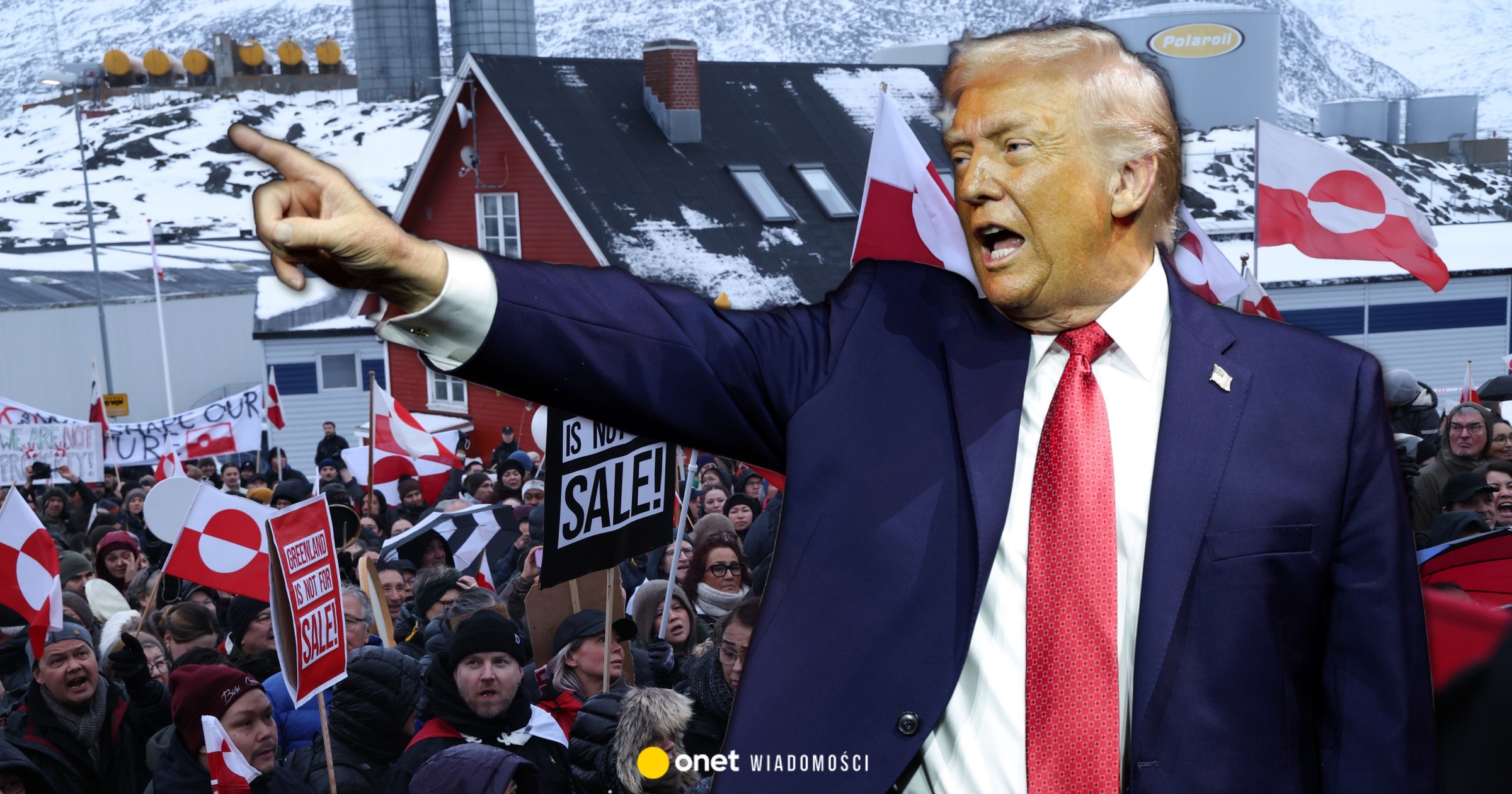
Since Donald Trump's return to the White House a year ago, American-European relations have been full of quarrels, unexpressed tensions and attempts to keep up appearances.
In private conversations, concerned European officials say Trump is rushing to annex Denmark's sovereign territory “crazy” and “insane”. Politicians and diplomats are asking whether the president has fallen into “warrior mode” after his adventure in Venezuela. They argue that he deserves Europe's most severe retaliatory response for his clear and unjustified “attack” on allies across the Atlantic.
— I think it's perceived as a step too far – says one European diplomat who, like other interlocutors, asked to remain anonymous. — Europe was criticized for being weak against Trump. There is some truth in this, but there are limits.
Senior European officials increasingly believe it is time to face the truth that Trump's US is no longer a reliable trading partner, much less a reliable security ally. Leaders believe there is an urgent need to look to the future. “There has been a shift in US policy, and in many respects it is permanent,” says a senior official of a European government.
— Waiting is not the solution. It is necessary to take orderly and coordinated actions towards a new reality.
The discussion about what comes next has already begun.
A future without the USA
Unless there is a radical change in the United States' approach, the process will likely end radical reconstruction of the West. The process may upset the global balance of power. The consequences will range from transatlantic economic damage to security threats as Europe tries to defend itself without American help until it is fully ready.
There will likely be costs for the U.S., such as losing the ability to exert hard power in Africa and the Middle East without access to the network of bases, runways, and logistical support that Europe currently provides.
In addition to talk of retaliatory actions against U.S. trade, diplomats and government officials in national capitals are also considering what a long-term rupture in relations with Washington might bring.
For most, this prospect is painful because it means end of 80 years of peaceful cooperation, mutual support and beneficial trade. This will also be the case fatal blow for NATO in its current form. Many governments want to save what they can. The leader of Italy's far right, Giorgia Meloni, is trying to rebuild relations.
But for some government officials, the future of Western allies after the United States leaves is not difficult to imagine.
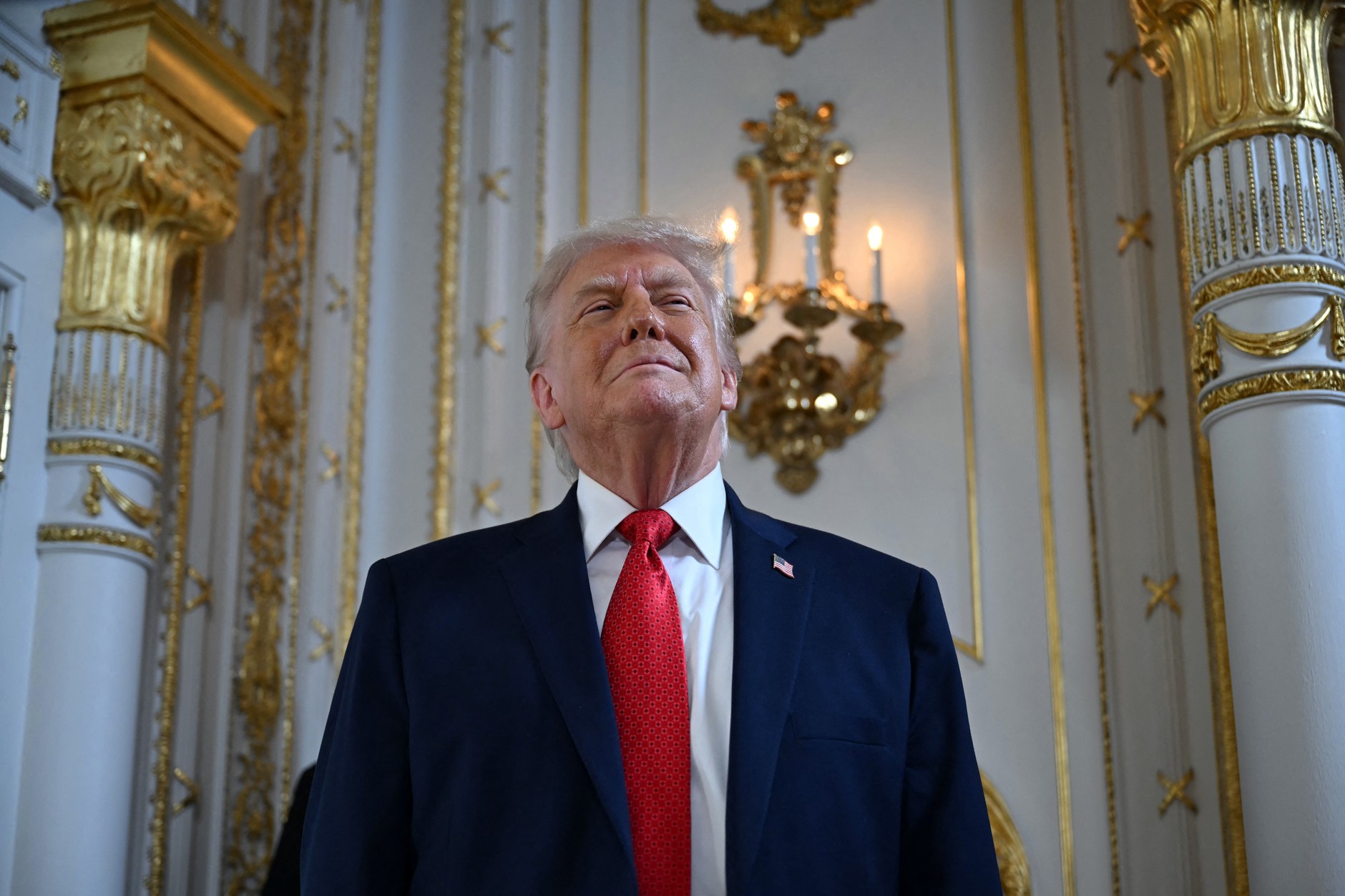
US President Donald Trump, January 16, 2025Andrew Caballero-Reynolds / AFP
Europe has to cope
First, European countries, including non-EU countries such as the UK and Norway, have spent much of Trump's second term working in an increasingly effective group that already operates without the US: the so-called coalition willing to support Ukraine.
National security advisers from 35 governments remain in constant contact, meeting frequently online and in person, as well as communicating via less formal text messages. They are used to seeking multilateral solutions in a world where Trump is a big part of the problem.
According to people familiar with the group's functioning, the level of trust in these circles is high.
This does not only apply to officials: national leaders themselves are rolling up their sleeves and working in new, close groups.
The leaders, including Keir Starmer of Britain, Emmanuel Macron of France and Friedrich Merz of Germany, as well as European Commission President Ursula von der Leyen, Alexander Stubb of Finland and Meloni of Italy, regularly text each other — often in the same chat group.
Over the last year, they have developed a smooth routine of exchanging messages every time Trump is doing something crazy and potentially harmful. — When things start to change quickly, it's hard to coordinate, and this group [czat] is really effective – reveals one of the sources. — This says a lot about personal relationships and their importance.
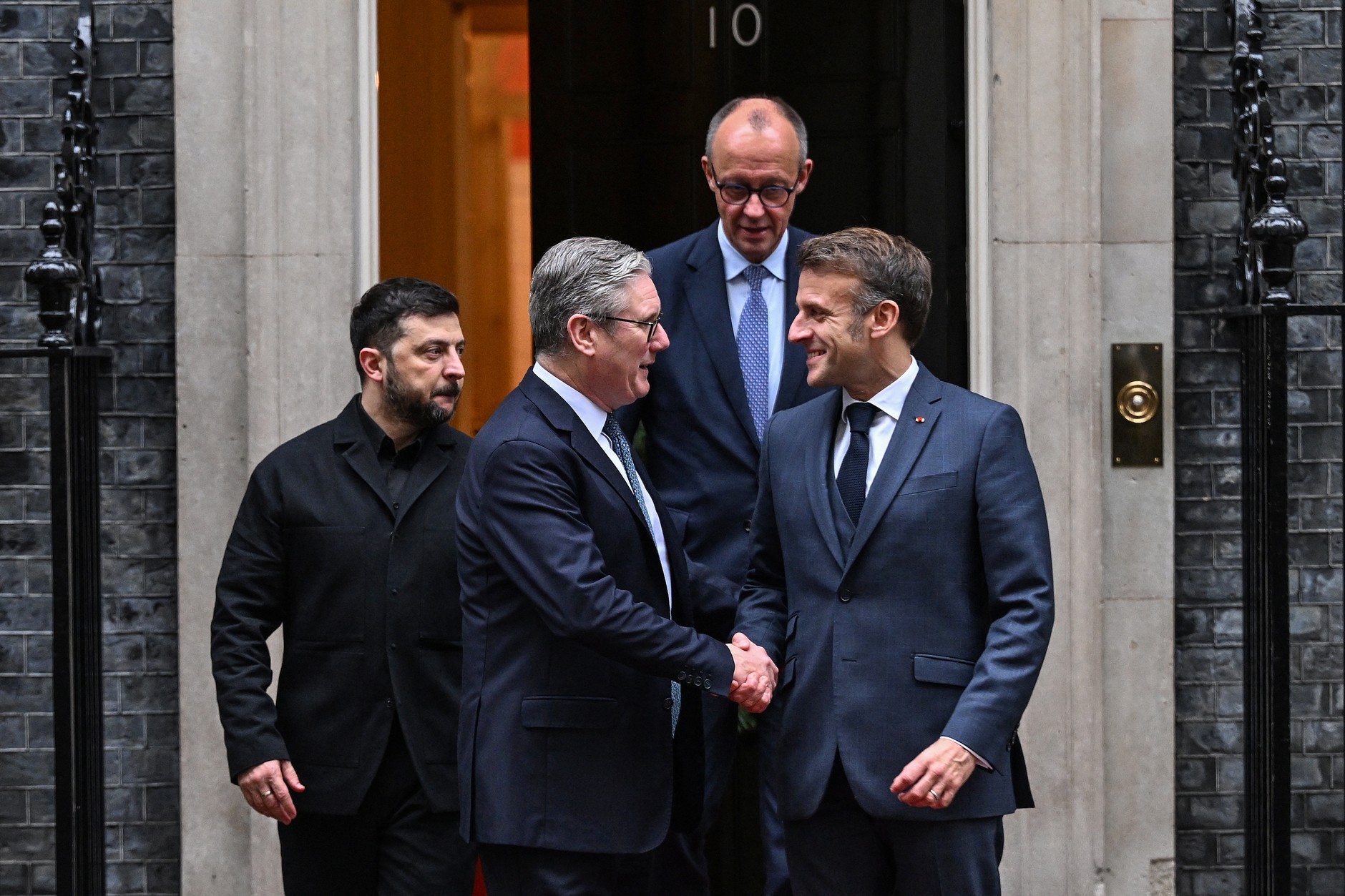
President of Ukraine Volodymyr Zelensky, Prime Minister of Great Britain Keir Starmer, Chancellor of Germany Friedrich Merz, President of France Emmanuel Macron, December 8, 2025.CHRIS J RATCLIFFE / AFP
Change among Europeans
This “informal but active” agreement is known as the Washington Group. The name refers to the group of European leaders who visited the White House together with Ukrainian President Volodymyr Zelensky last August.
Over the past year, their approach has been mainly not to give in to the provocative words of the American president, but to remain calm and respond to Trump's political actions. This posture has facilitated the peace process in Ukraine, and a coalition of the willing is moving closer to agreeing on the framework of a peace plan that the United States supports — including American security guarantees for Kiev. This is a significant achievement considering Trump had previously ruled out the involvement of US military forces.
However, Trump's stormy reaction to Greenland tipped the scales.
It's gone gentle approach to the threats of the American president. Even Starmer, typically the most cautious of leaders, has called the president's tariff threat “misguided,” including apparently in a direct phone call with Trump on Sunday.
The Greenland Crisis focused attention on the question of how continue without American support.
— The coalition of the willing was created in connection with Ukraine, says one of the diplomats. — However, it has led to very close relationships between some key people in the capitals. They build trust and the ability to cooperate. They know each other by name and are easy to contact and text.
Who needs NATO?
Such a format could potentially become the seed of a new one security alliance at timeswhen the United States no longer supports NATO and European security. The new agreement would not exclude cooperation with the US, but would not treat it as something obvious.
Zelensky himself also participates in the exchange of messages with the leaders of the Washington Group, which introduces another intriguing idea into the discussion. Ukraine is definitely there the most militarized country among the represented countries. It has a huge army, a highly developed drone production industry and more experience in warfare than anyone else.
Although Ukraine has long sought NATO membership, it now seems less attractive than before, as American promises to support any security guarantees become less convincing by the day.
If Ukraine's military might were taken into account, combined with that of France, Germany, Poland, and Great Britain, the potential military power of a coalition of the willing would be enormous, encompassing both nuclear-weapon states and non-nuclear-weapon states.
Although the need to defend Europe with less support from the US has been a topic of discussion for a long time, a number of initiatives have emerged from Brussels in recent days. Officially, the EU has decided that by 2030 it will be able to defend itself.
A matter of safety
European Commissioner for Defense Andrius Kubilius proposed its creation a week ago EU standing army numbering 100 thousand soldiers and again raised the issue of creating a European Security Council, which would consist of approximately 12 members, including Great Britain. Von der Leyen announced a new European security strategy, although no details have been provided yet.
There is broad agreement that talks on a new European security architecture must happen – and quickly. EU leaders will meet in person in the coming days extraordinary summitto agree on a response to Trump's threats regarding Greenland, although the discussion may go far beyond this topic.
Due to the fact that Trump is to take part in the World Economic Forum in Davos, there is also a possibility of direct talks between the European and American sides.
After talks with Merz, Macron, Starmer and NATO Secretary General Mark Rutte, von der Leyen said on Sunday that Europeans would vigorously defend their commitment to protect Greenland. “We will face these challenges to our European solidarity with determination and decisiveness,” she said.
Given the current situation, you will also need to think creatively.