
Italy, in a position to postpone the increase in defense spending requested by Trump. The reasons invoked by the Meloni government

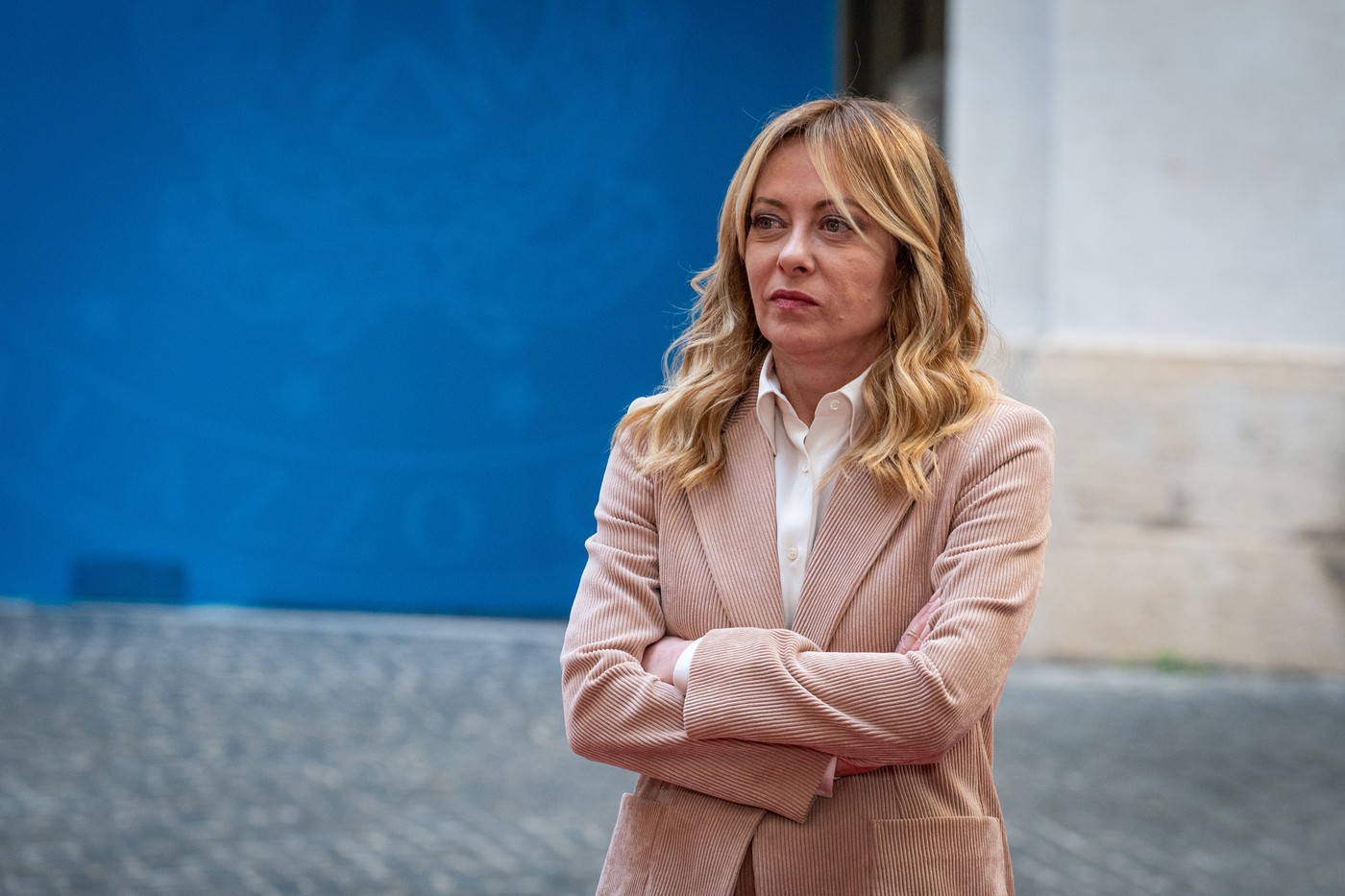
Italy is unable to increase its defense spending as planned due to economic difficulties and growing problems of public finances, but also the need to counter the sharp increase in energy prices, according to a government document published on Thursday, cited by Reuters.
The government led by Prime Minister Giorgia Meloni revised down economic growth forecasts on Wednesday and raised estimates for the budget deficit and public debt, amid rising energy prices and tensions in the Middle East.
The Treasury's multi-year budget plan (DFP), published on Thursday, highlights downside risks to the economic outlook and shows that Italy now has limited fiscal space as it must support households and businesses hit by the energy shock.
“As a result, it will be necessary to redefine our priorities and reschedule planned spending increases in other areas, including defense,” Economy Minister Giancarlo Giorgetti said in an introductory note to the DFP.
Italy, along with most European NATO member states, agreed to the call launched by US President Donald Trump to increase defense and security spending to 5% of GDP by 2035.
In the shorter term, Italy's 2026 budget, approved in December, calls for a spending increase of 0.5% of GDP by 2028, equivalent to around €12 billion. The measure has sparked protests from opposition parties, who argue that the money should go to public services.
Italy, heavily dependent on gas imports
Heavily dependent on imported energy, Italy is particularly vulnerable to disruptions caused by the conflict with Iran.
It is Europe's most gas-dependent economy, accounting for 38% of its energy consumption, according to the Energy Institute. Also, Italy is the largest importer in the European Union of liquefied natural gas through the Persian Gulf.
The European Union allows member states to exceed the bloc's deficit limits to increase defense spending or in the event of exceptionally adverse economic circumstances.
Economy Minister Giancarlo Giorgetti said on Wednesday that Rome could invoke the so-called “national derogation clause”, while the DFP document suggests that this option would be more likely to be used to manage the energy crisis than to increase defense spending.
Giorgetti warned that the government's latest forecasts, which point to economic growth of 0.6% both this year and next, could be revised downwards, and the DFP shows that, in a pessimistic scenario, the economy could contract by 0.2% in 2027.


