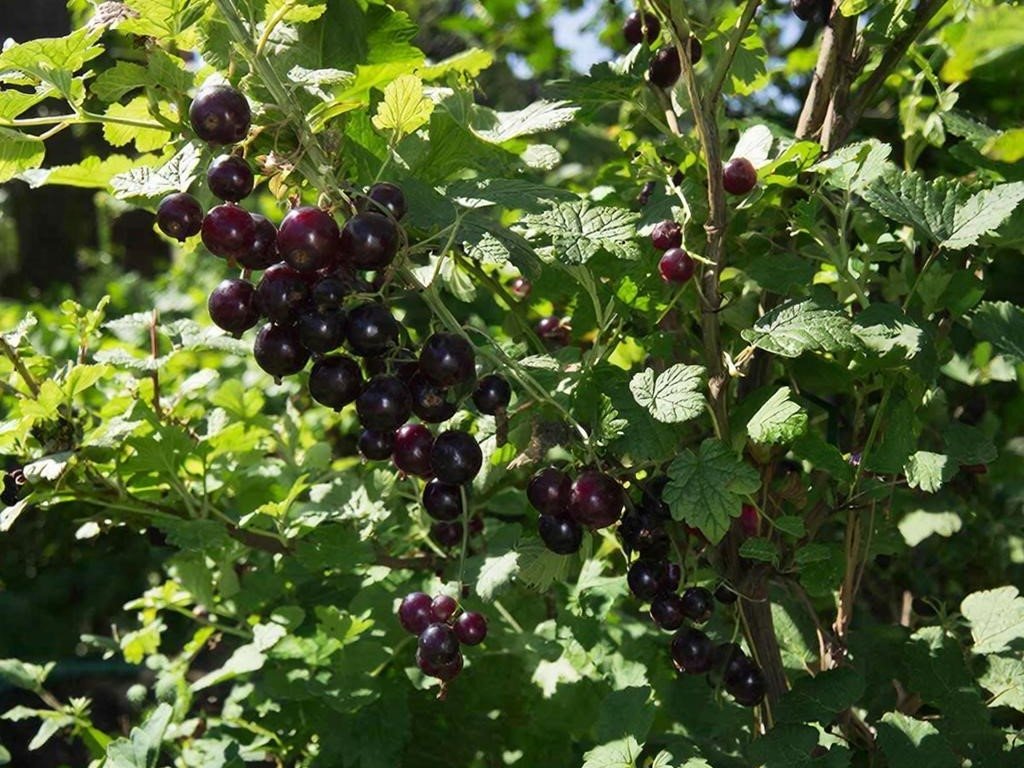
You probably remember the situation when the currant bushes are tall, the leaves are green, and there are very few berries, and those are small and sour. You know the feeling when there seems to be watering, pruning and fertilizer, but there is no use. Often the reason is that fertilizing is applied too late, when the bush is already spending energy on color and not on growth. You need to feed immediately after waking up, while the kidneys are just swollen. Since then, many summer residents have developed a clear system of spring feeding, and the berries are now large, juicy, and the bushes are healthy. How to do this correctly without unnecessary hassle, the author of the Zen channel “Volzhsky Garden” (12+) told.
Why the first feeding is the most important
Currants are one of the first to wake up as soon as the ground begins to thaw. Over the winter it has used up all its reserves, and the roots do not work well in cold soil. If you do not provide nutrition at this moment, the shoots will be thin, there will be few flower clusters, and the berries will be small and tasteless.
Spring feeding solves three problems:
- Provides nitrogen for rapid growth of strong shoots
- Helps set more flower buds, which increases the number of berries
- Strengthens the immune system so that the bushes can more easily withstand spring frosts
When to feed
Fertilizing is carried out as soon as the snow has melted and the soil has dried a little, but is still moist. In the middle zone this is the end of March or the beginning of April. The main landmark: the buds have swollen, but have not yet blossomed. If you are late and apply fertilizer when the leaves have already started to appear, the nitrogen will go into the foliage and not into the future harvest.
Three methods of first feeding: choose yours
Method 1. Mineral fertilizers
The fastest option if you need to feed urgently. Nitrogen triggers the growth of green mass, and strong shoots produce many berries.
What to do:
- Ammonium nitrate or urea: 20–30 g per 1 m², this is approximately 1 tbsp. spoon
- Sprinkle fertilizer around the bush, retreating 20–30 cm from the base
- If the soil is wet, rake in 5–7 cm; if dry, water first, then apply
Important: do not overdo it with nitrogen. Otherwise, the bushes will begin to “fatten”, the foliage will be lush, and there will be few berries. Nitrogen is given only once, in early spring.
Method 2. Ammonia: nitrogen and pest protection
A universal recipe for quick help. Ammonia is nitrogen in an easily digestible form that works even in cold soil. And its smell also repels waking pests: raspberry beetles, aphids, weevils.
What to do:
- Dilute 2 tbsp. spoons of ammonia (10%) in 10 liters of water
- Water under the root from a watering can without a sprayer, 1–2 liters per bush
- For weak bushes or signs of pests, repeat after 10–14 days
Important: use the solution immediately, ammonia evaporates quickly and cannot be stored.
Method 3. Organic for a soft and long-lasting effect
If you are not in a hurry and want to feed carefully, choose organic. It works slower, but improves the soil structure and feeds the bushes all summer.
What to do:
- Mullein infusion: 1 liter of fermented infusion per 10 liters of water, watering 3-5 liters per bush.
- Infusion of chicken manure: 0.5 liters per 10 liters of water, diluted strictly 1:20, consumption 2-3 liters per bush.
- Green fertilizer: pour water over nettles, dandelions, weeds, leave for 5-7 days, dilute 1:10 and water at the root.
Important: do not add fresh organic matter to the roots; it can burn the roots. Use only fermented infusions and only on moist soil.
What to do after feeding
After fertilizing, mulch the tree trunk with humus, compost or grass clippings. Mulch retains moisture, prevents leaching of nutrients and creates a favorable environment for roots to work. And after 2-3 weeks, when the currants begin to grow, it will be possible to add potassium-phosphorus fertilizer for the production of large berries.