Russia and North Korea go even further. This is how they create a common front [OPINIA]

Anthony V. Rinna is a North Korea analyst and senior editor at the Sino-NK Research Group.
On March 28, the Russian state news agency TASS signed an agreement with the North Korean news agency Korean Central News Agency (KCNA). His goal is coordinating the exchange of information, as well as cooperating in combating what both sides considered “fake news”.
It's part of a clever plan.
Russian President Vladimir Putin and DPRK Supreme Leader Kim Jong Un maintain their public legitimacy by controlling the narrative.
The driving force behind the new endeavor is to transform intergovernmental relations into equally warm relations between societies.
Deepening cooperation between the two state news bodies is a natural step after the recent establishment of a ministerial-level media cooperation framework as part of the broader North Korea-Russia Comprehensive Partnership Treaty.
For Pyongyang, using the media to alleviate lingering public distrust, rooted in negative memories of Russia's abandonment of the DPRK in the 1990s, lies in interests of the North Korean governmentwho is deeply distrustful of anything that could harm his social legitimacy. The authorities in Pyongyang will have to justify their approach to Russia by presenting deepening relations as a conscious act of will, rather than a desperate turn towards a treacherous partner in order to alleviate their own isolation.
Difficult Russian-Korean relations
At the same time, Western governments suspected that Russia was supporting North Korea's missile program and doubted Moscow's willingness to implement — and later enforce — sanctions against Pyongyang.
This perception of Russia, a country that wanted to present itself as a responsible player on the Korean Peninsula long after the invasion of Ukraine, was unacceptable to Moscow.
After the Kim-Putin summit in 2019, North Korea and Russia signed a bilateral agreement aimed at countering the so-called fake news. That same year, Russian officials warned outsiders against using arrests of Russians who were illegally fishing in North Korean waters to undermine relations between Moscow and Pyongyang.
Today, however, the Kremlin's main concern is probably building a positive image of North Korea among Russians themselves. Moscow's changing policy towards the Korean Peninsula in light of the DPRK's growing strategic value to Russia means that Putin's people are now interested in steering public opinion in a more positive direction.
Benefits for Moscow and Pyongyang
The latest media agreement comes at a time when the information space within Russia itself is becoming increasingly limited.
However, Putin himself is not all-powerful and must act within certain limits. As Russian oppositionist Maksim Katz says, it will be more difficult for the Kremlin to control access to information for generations of Russians who are accustomed to a relatively free Internet, compared to North Koreans who have never known such freedoms.
Given the constraints, an exploitative partnership tactics of North Korean state media offers the Kremlin perhaps its best chance to improve perceptions of the DPRK in a way that favors Russia's superpower ambitions.
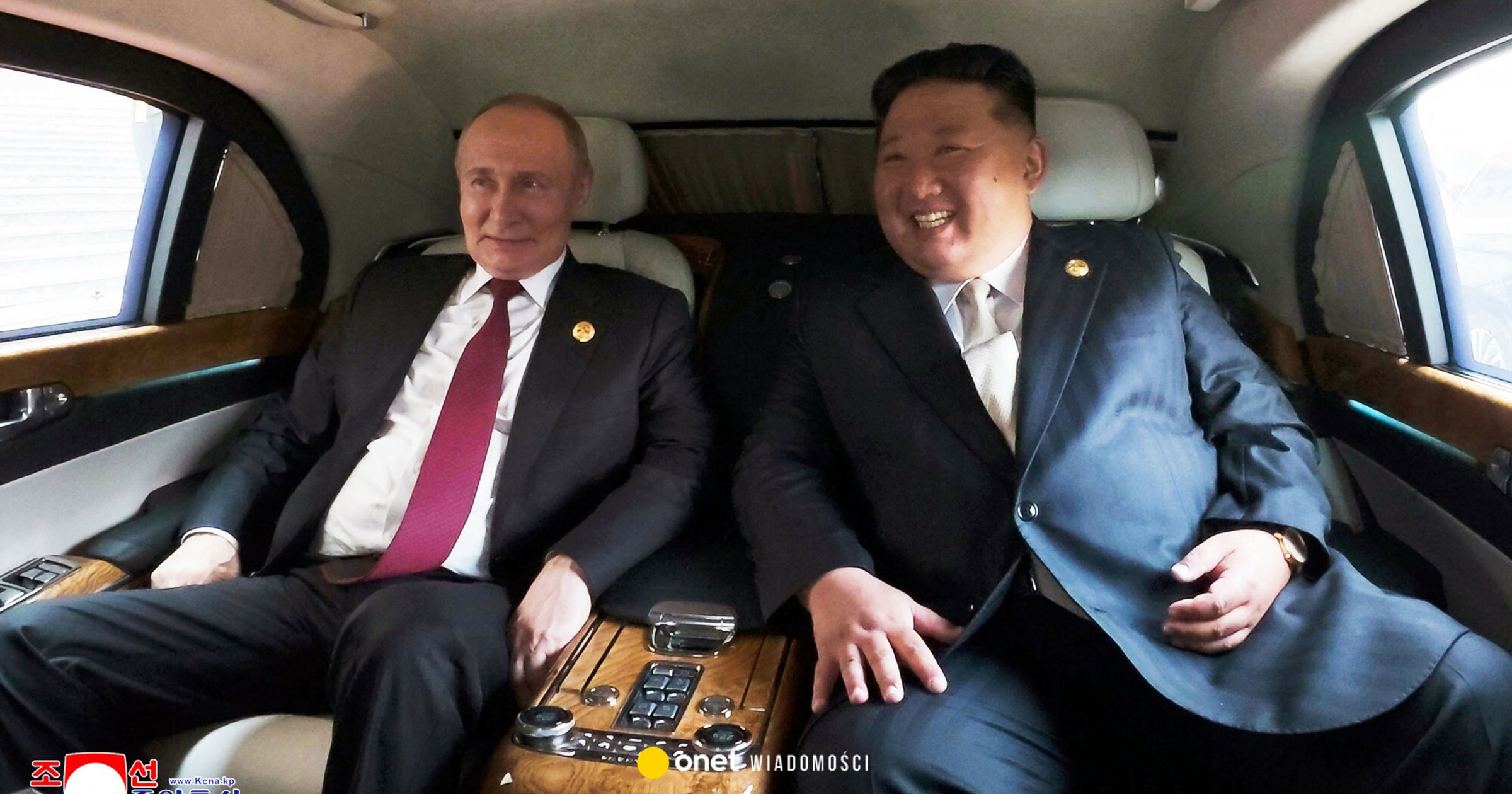
Kim Jong Un and Vladimir Putin, September 3, 2025Sergei BOBYLYOV / AFP / East News
At the same time, the DPRK could benefit by leveraging Russia's global media presence to improve Pyongyang's perception abroad. TASS publishes in several of the world's most popular languages, giving North Korea a new tool to spread favorable news abroad.
Pyongyang is pinning its hopes on the agreement with TASS to reinforce the importance of its relations with Moscow in public awareness. Kim Pyong-ho, chairman of KCNA, said that the agreement contributes not only to the development of the comprehensive strategic partnership between the DPRK and Russia, but also to deepening the friendship between the peoples of these two countries.
Friendship during war
The latest stage of media cooperation between North Korea and Russia is inextricably linked to the deepening integration of the DPRK with the Kremlin's sphere of influence. Although the Korean Peninsula is not as strategically important to Moscow as Ukraine, Korean contributions to Putin's war effort have already created a platform for improving mutual perceptions.
Apart from some historical grievances, Moscow and Pyongyang have many common reference points that allow them to build a new public vision of their relations. North Korea and Russia also used the DPRK's participation in the war against Ukraine as an argument to present the countries as friends united in difficult times for the Kremlin.
Deepening cooperation between the two state media bodies to shape opinion both at home and abroad will potentially create powerful forcewhich will influence the perception of the DPRK by the Russian public.
It gives meaning to what is commonly perceived as the father's account transactional nature.