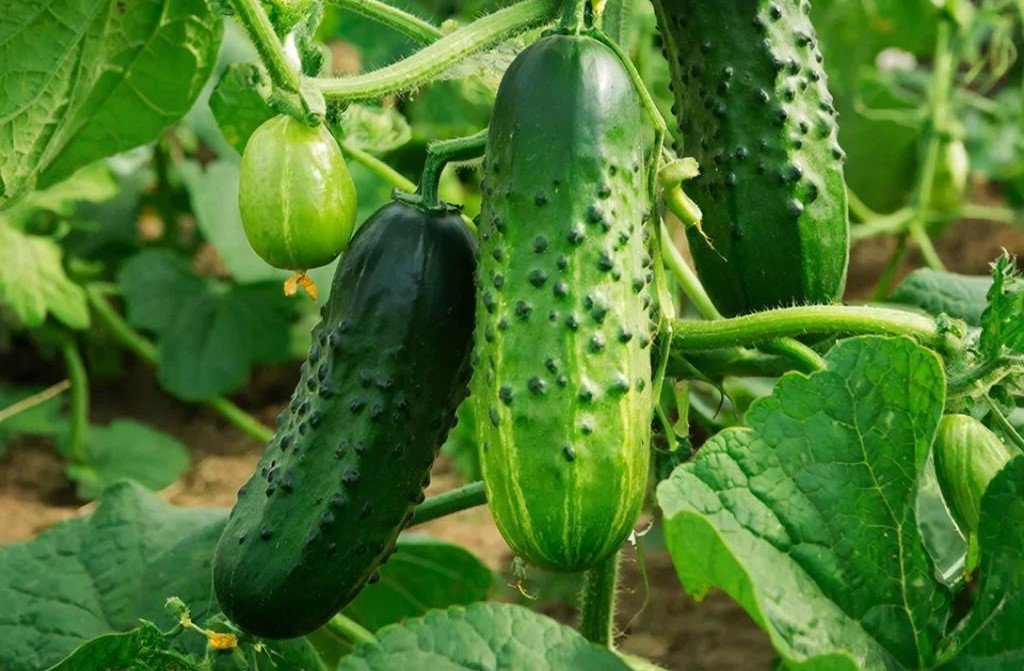
In mid-spring, many summer residents rush to feed their seedlings in order to speed up growth and get an early harvest. But cucumbers are a capricious crop, and good intentions often turn against plants. Let's figure out what “helpers” actually slow down the development of cucumbers, and how to avoid these pitfalls.
Fresh manure
It would seem that organic is the best nutrition for vegetables. But for cucumbers, fresh manure becomes stressful. Nitrogen in its active form burns tender roots and provokes rapid growth of vines to the detriment of the ovaries. The bushes are powerful, but there are few fruits, and even those are bitter.
Too much urea
Nitrogen fertilizing is important at the start, but its excess during the flowering period shifts the balance. The foliage becomes thick and dark, but the flowers fall off and the ovaries do not form. Cucumbers “fatten”, but the harvest remains on paper.
Chlorine in fertilizers
Cucumbers absolutely do not tolerate chlorine. It blocks the absorption of potassium and magnesium, slows growth and makes plants vulnerable to powdery mildew. Instead of crispy greens, you will get stunted bushes with yellow spots on the leaves.
Refuse these fertilizers and choose proven options: rotted compost, wood ash, potassium magnesium or ready-made chlorine-free mixtures for cucumbers.