In the largest retail chains, basic salaries are still relatively low, which is why salespeople, cashiers and warehouse workers usually count on bonuses and incentives. The problem is that their payment is often subject to a number of conditions – from sales results to attendance – and failure to meet them, even for reasons beyond the employee's control, may mean the loss of a significant part of the monthly income.
Incentive bonuses in trade are increasingly no longer a real addition to salary, but become a tool dependent on a number of conditions that are not always transparent. In the largest chains, such as Biedronka, Stokrotka or Kaufland, employees point out that the amount of additional remuneration is determined not only by work results, but also by factors beyond their control – from attendance, through decisions of superiors, to customer ratings. As a result, the bonus that was supposed to motivate is increasingly becoming an uncertain element of the salary that can be lost even for minor mistakes or random situations.
Bonus depends on emoticons
– In Biedronka, the bonus for full attendance is several hundred zlotys. However, for three absences, regardless of whether it is L4 or leave on request, the entire bonus is forfeited. If the absence lasts up to two days, part of this allowance is lost – an employee of this network tells Bankier.pl.
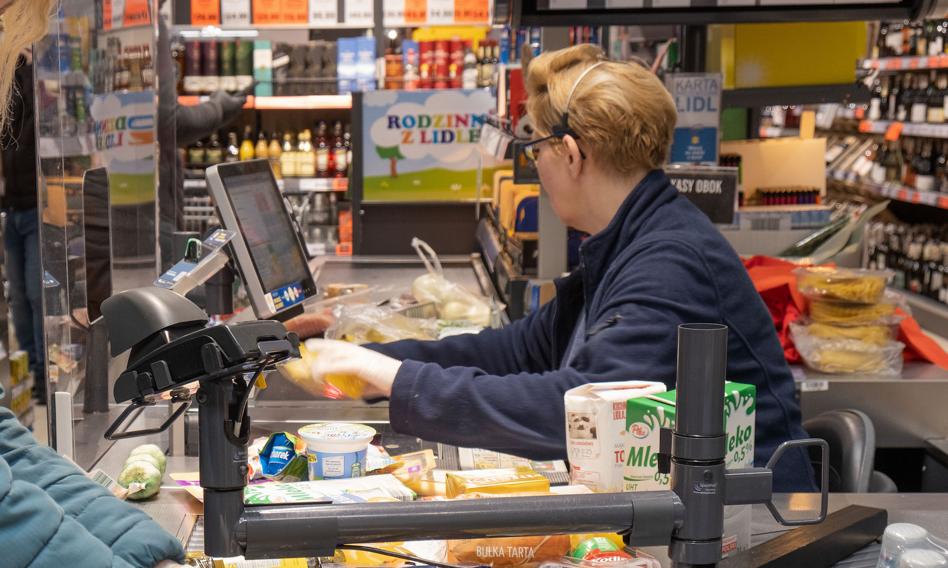
Since April, people employed at Biedronka have had a new worry. Their bonuses are also influenced by customer ratings in the purchase rating system using emoticons both at checkouts in stores and in the mobile application.
–
More than once, I have seen sad “faces” pressed for fun by teenage boys, children or an old lady who did not like the price of one of the products. And although it does not depend on our work, we lose part of our salary because of it. Unfortunately, our translation doesn't help much. – says Piotr, an employee of one of the Biedronka stores in Wrocław, to Bankier.pl.
Have you had an accident at work? The attendance bonus disappears
There is also a discussion on the forum for Kaufland employees about why you can lose the incentive bonus awarded for exemplary attendance at work.
–
My friend had an accident at work and had to go to L4. Even though she received 100 percent basic salary, the incentive bonus was not paid even in the smallest part – says one of the Internet users.
– Accidents at work are 100 percent. Paid Parking. However, the incentive allowance is no longer paid, says another participant of the same forum.
– They take everything. Then a person loses motivation to work – adds another person.
Are recognition awards only on paper?
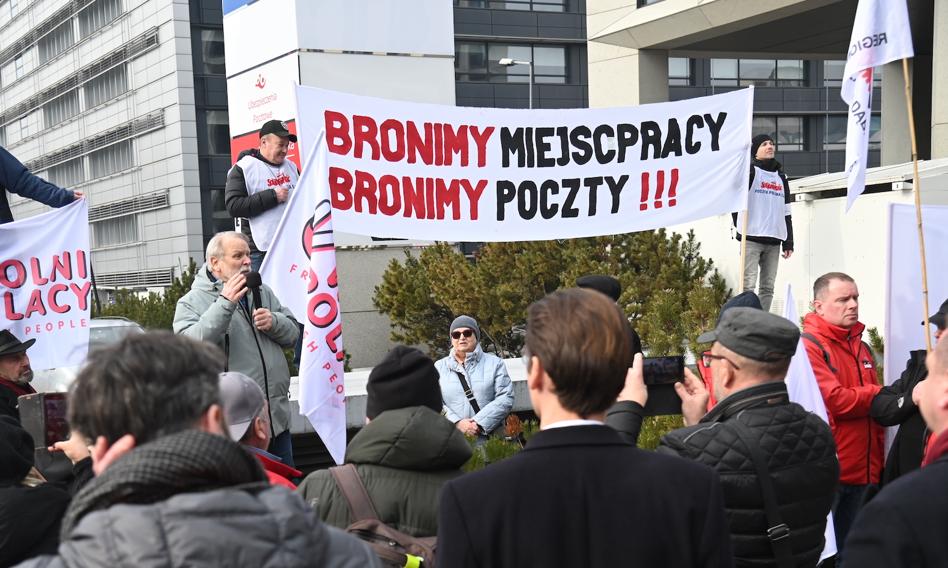
According to Alicja Symbor, chairwoman of NSZZ “Solidarność” in Stokrotka, employees of this network often report irregularities in the granting of incentive allowances.
–
Discretionary awards are generally only on paper because employees cannot see them – says Alicja Symbor to Bankier.pl. – Ghost bonuses are included in the regulations, but it is not known which groups of employees are entitled to them. In the case of a 100% bonus. attendance, an employed person loses this component of remuneration when using at least 1 day of leave on request. Yet it is an employee's right and internal company regulations cannot be less favorable than labor law regulations.
“It's about getting the most out of the employee”
According to a trade union representative, the conditions for obtaining a regulatory bonus for management staff are specified outside the regulations, which means high goals depending on factors beyond the employee's control. However, in the case of the statutory bonus for warehouse employees working on piecework, efficiency thresholds are constantly being raised and work valuation is being changed.
– The most important condition affecting the amount of these remuneration components depends on the employer's discretionand these remuneration elements are not awards. The system works to “squeeze” as much as possible from the employee and pay bonuses as desired or not at all.
At most 30 percent. bonus
According to Waldemar Ciepka, director general of the Association of Polish Employers of Trade and Services, motivational systems are different in individual chains.
– They depend largely on the service system. When it is directly with the customer, it usually depends on the individual result obtained by the seller, which may influence the recipient's decisions. In self-service stores, where direct contact with the customer is less frequent, this is more difficult. Therefore, there it more often takes the form of a certain team motivation for achieving a specific goal – says Waldemar Ciepka to Bankier.pl. – Recently, the basic salary has been much higher than it was 10 years ago, when all bonuses often constituted up to half of the entire salary. Currently, it is a bit different because it is difficult to find employees who will accept the minimum wage. Therefore, the share of the additional bonus automatically decreases and amounts to approximately 20-30%. earnings – explains the expert.
Is the motivational system a secret?
We asked their representatives about the motivation systems in individual networks. However, none of them wanted to provide us with information on this subject.
– At Aldi, we have an internal motivational program addressed to store employees. It focuses on positive competition and integrating teams around a common goal – Konrad Zalas from Aldi informed Bankier.pl.
However, we did not receive any specific information on this issue.
There are many indications that bonus systems in trade are increasingly raising doubts among both employees and trade unions. They are intended to motivate people to work better, but in practice they can be a source of uncertainty and stressbecause their loss may result from factors beyond the control of the employees.